What Are The Educational Requirements To Become A Cfp
Forget the Fancy Degree Jargon, What Does It Take to Be a CFP®?
So, you’re eyeing that coveted CFP® designation. You’ve heard the whispers, seen the acronym, and maybe even encountered a planner who’s got it. But what’s the real deal behind those letters? It’s not just about passing a killer exam. There’s a whole educational gauntlet you need to run. And trust me, it’s more than just sitting in a lecture hall for four years.
This isn’t your average walk in the park. The educational requirements for a Certified Financial Planner are pretty specific. They want to know you can actually do the job, not just talk about it. Let’s cut through the noise and get down to brass tacks.
The Non-Negotiable Foundation: A Bachelor’s Degree
Look, nobody’s handing out CFP® marks of distinction to folks who haven’t even finished college. A bachelor’s degree is your absolute baseline. Think of it as the entry ticket to the whole game. It doesn’t have to be in finance; they’re not that picky.
Degree Specifics (Or Lack Thereof)
Your undergraduate degree can be in pretty much anything. Seriously. Whether you studied art history, engineering, or even basket weaving, it counts. The important part is that you completed a bachelor’s degree from an accredited institution. This proves you can commit and see something through.
Accreditation Matters
Don’t go getting a degree from some fly-by-night online diploma mill. It has to be from a school recognized by the U.S. Department of Education or a similar international body. They’re checking that your education is legitimate, not just a piece of paper you printed yourself.
The Timing of Your Degree
When you got your degree matters too. You need to have completed it before you sit for the CFP® exam. This is a big one, so don’t mess it up. It’s a Key part of the CFP certification process.
The Core Curriculum: You Can’t Skip This!
This is where things get more specific. Beyond your general college degree, you’ve gotta prove you’ve got the financial planning chops. That means completing a curriculum approved by the CFP Board. They’ve laid out exactly what they expect you to learn.
Source : bostonifi.com
What Does “Approved Curriculum” Mean?
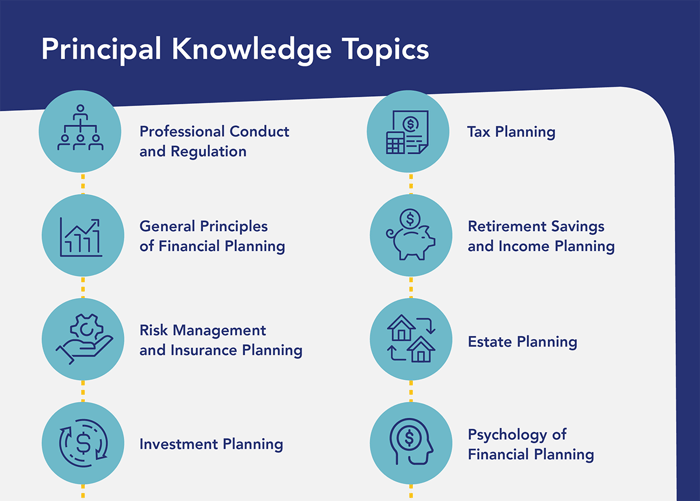
It means you’ve taken specific courses in areas Key to financial planning. We’re talking about everything from retirement planning and estate planning to insurance, investments, and tax. It’s a Full financial education. This is a big hurdle for many.
How to Fulfill This Requirement
You’ve got options here, which is good. You can take these courses at a college or university that offers a CFP Board-registered program. Or, you can go through a dedicated education provider. The key is that the program is registered with the CFP Board. You can find details on the official CFP Board website.
Coursework vs. Degree in Financial Planning
Sometimes, a degree program itself is registered. Other times, you might take specific certificate programs. The goal is to Make sure you’ve covered the requisite financial planning topics.
Beyond the Classroom: Experience Counts, Too
Source : 300hours.com
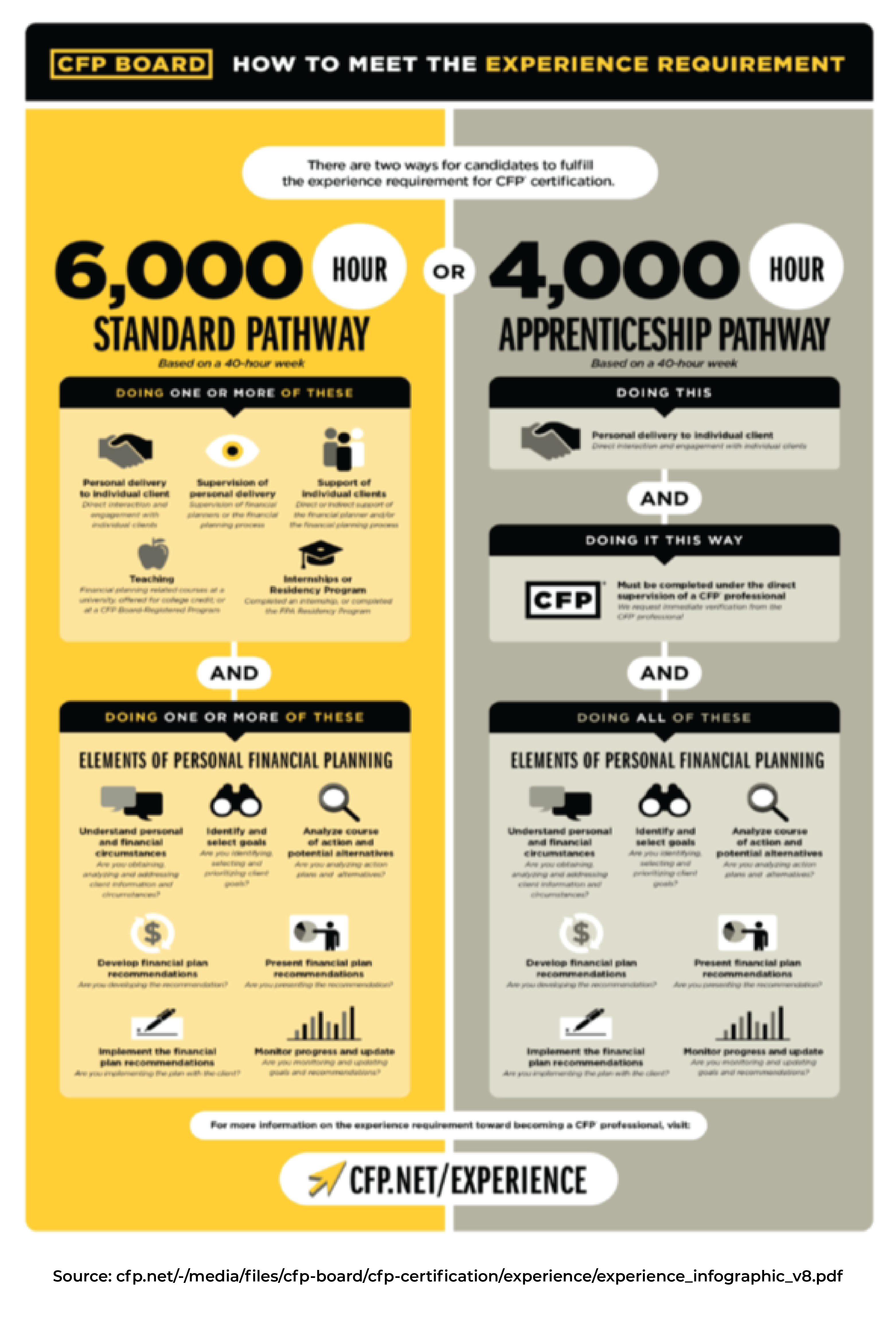
Okay, so you’ve got the degree and you’ve nailed the coursework. But can you actually apply that knowledge? The CFP Board wants to see real-world experience. This isn’t just about hitting the books; it’s about Handling real financial situations for real people.
The Experience Requirement Breakdown
This is where many aspiring CFPs get tripped up. You need a certain amount of relevant work experience before you can even think about getting certified. It’s a significant part of the CFP requirements.
Types of Qualifying Experience
What kind of experience are they looking for? It’s generally about direct experience in financial planning. This includes things like providing Full financial advice, developing financial plans, or educating clients on financial topics.
The Numbers Game: How Much Experience?
There are specific thresholds. You typically need either three years of relevant experience, gained in a very specific way, or two years of apprenticeship-level experience. It’s a Large commitment.
When Do You Need This Experience?
You don’t necessarily need all this experience before you start the education. Many people complete their education first and then gain the experience. However, you must have completed the experience requirement before you can actually use the CFP® mark.
Handling the Education Paths: Which Route is Best?
There isn’t just one cookie-cutter path to getting your education sorted for CFP® certification. You’ve got a few different routes, each with its own pros and cons. Choosing the right one can make a big difference in your journey.
.png?width=700&height=408&name=BIF25_Blog_CFPRequirementsInfographic%20(1).png)
Source : bostonifi.com
Route 1: The Registered Degree Program
This is a popular choice for many. You enroll in a bachelor’s or master’s degree program at a university that has a CFP Board-registered curriculum. It’s a structured way to get both your degree and your required coursework.
Pros of a Registered Degree
It’s efficient. You’re killing two birds with one stone. Plus, you get the full university experience and a traditional degree. This can be beneficial for networking and future career opportunities beyond just the CFP®.
Cons of a Registered Degree
These programs can be costly and time-consuming. You’re committing to a full degree path, which might be more than you initially planned. Also, course schedules might not be flexible enough for working professionals.
Route 2: The Certificate Program
If you already have your bachelor’s degree, a CFP Board-registered certificate program is often a great alternative. These programs focus specifically on the financial planning coursework required. They’re usually shorter and more targeted than a full degree.
Pros of a Certificate Program
It’s faster and often cheaper than pursuing another degree. These programs are designed for professionals who need to meet the CFP Board’s educational requirements without the extensive commitment of a full degree. Flexibility is often a big plus.
Cons of a Certificate Program
You don’t get a traditional degree out of it, just the certificate. While it fulfills the educational requirement, it might not carry the same weight on your resume as a full master’s degree, depending on your career goals.
Route 3: Alternative Pathways (For the Highly Experienced)
The CFP Board also recognizes that some professionals might have extensive experience or credentials that make them equivalent to completing the coursework. This often includes individuals holding designations like the CPA or CFA.
Who Qualifies for Alternatives?
This path is typically for seasoned professionals. You need to have specific, advanced designations or a significant amount of high-level financial planning experience. It’s not a free pass; you still need to prove your competency.
Proving Your Equivalence
You’ll likely need to submit documentation to the CFP Board detailing your qualifications and experience. They’ll review it to determine if it meets their standards equivalent to the registered coursework. This route requires careful navigation of their specific guidelines.
A Look at the Coursework Components
Source : kitces.com
Let’s get granular. What exactly are you expected to learn in these CFP Board-registered programs? It’s a broad spectrum, designed to equip you with a Overall understanding of financial planning.
Core Subject Areas
The curriculum dives deep into several key areas. You’ll be studying:
- Financial Plan Development: The overarching process.
- Insurance Planning and Benefits: Protecting against risks.
- Investment Planning: Growing wealth.
- Retirement Savings and Strategies: Funding the golden years.
- Tax Planning: Optimizing financial decisions.
- Estate Planning: Preserving wealth for heirs.
The Capstone Project
Most registered programs culminate in a capstone course or project. This is where you pull everything together. You’ll typically create a Full financial plan for a hypothetical client, demonstrating your ability to integrate all the knowledge gained. It’s the practical exam before the real exam.
Exam Preparation Integration
Many programs also build in specific preparation for the CFP® certification exam itself. They’re designed not just to teach you the material, but to teach it in a way that aligns with how it will be tested. Smart, right?
The Big Exam: Your Final Educational Hurdle
After you’ve completed your degree and coursework, and gained the requisite experience, there’s one final, massive hurdle: the CFP® exam. This beast is notorious. It’s tough, Full, and frankly, intimidating.
Understanding the Exam’s Scope
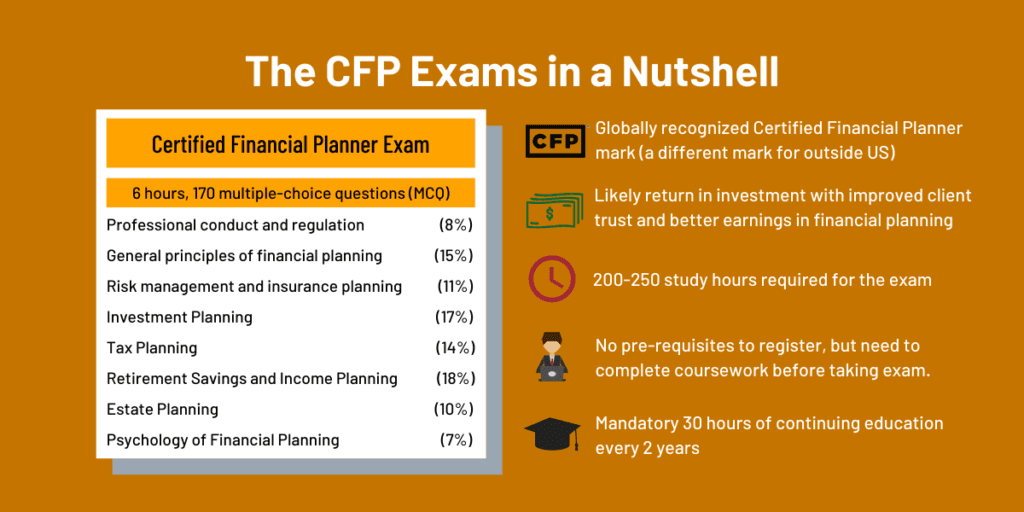
This isn’t a multiple-choice quiz on basic finance. The exam tests your ability to apply financial planning knowledge and concepts to real-life scenarios. It covers all the subjects you studied in your coursework, but in a practical, integrated manner.
Exam Structure and Format
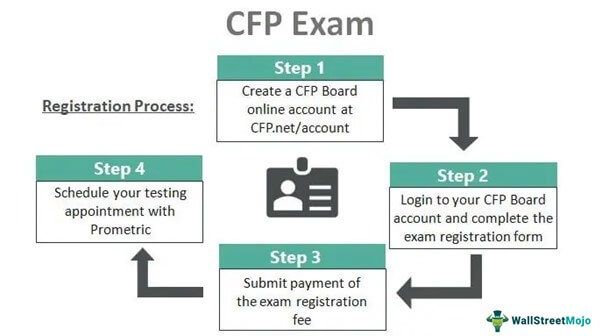
The exam is computer-based and administered over several days. It’s lengthy, typically involving multiple sessions. You’ll encounter various question types, including stand-alone questions and complex financial planning cases.
Source : wallstreetmojo.com
Passing the Exam: What It Takes
Passing requires more than just memorization. You need critical thinking skills and the ability to synthesize information. Many candidates spend months preparing, often utilizing dedicated exam review courses. It’s a significant investment of time and effort.
Comparing Education Requirements: A Quick Glance
It’s helpful to see how the educational pieces stack up against the other requirements. This isn’t just about book smarts; it’s a blend of learning and doing.
| Requirement Type | Description | When it’s Typically Met |
|---|---|---|
| Bachelor’s Degree | Four-year undergraduate degree from an accredited institution. | Before starting CFP coursework or by exam application. |
| CFP Board-Registered Education | Completion of specific financial planning coursework. | Before sitting for the CFP exam. |
| Relevant Experience | 3 years Full or 2 years apprenticeship experience. | Must be completed before using the CFP® mark; can overlap with education. |
| Pass the CFP® Exam | Rigorous examination testing application of knowledge. | Must be passed before certification is granted. |
Why So Much Education? It’s About Trust.
You might be asking, “Why all the hoops?” It boils down to public trust. When someone sees the CFP® mark, they need to know that individual is highly qualified and ethical. The stringent education requirements are a Foundation of that trust.
Ensuring Competency
The CFP Board wants to guarantee that CFP® professionals possess a deep understanding of financial planning principles. This education ensures they can provide sound advice across a wide range of financial topics. It’s about protecting the public.
Setting a High Standard
By setting a high bar for education, the CFP Board differentiates CFP® professionals from others in the financial services industry. It signifies a commitment to excellence and a standardized level of knowledge. This elevates the profession.
Ethical Considerations
While not strictly educational, the CFP Board also emphasizes a strict code of ethics. The education piece ensures you have the knowledge base to act ethically and in the client’s best interest. You can’t advise properly if you don’t know what you’re talking about.
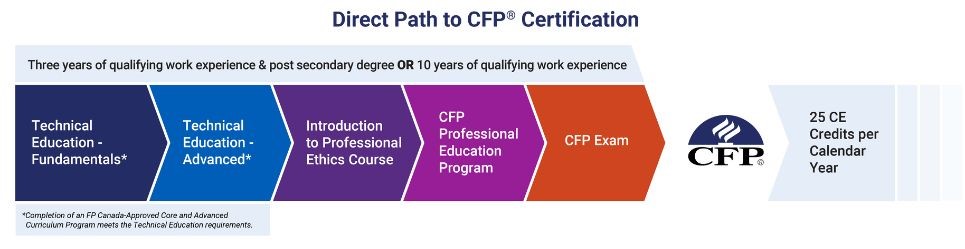
Source : alitis.ca
The Lifelong Learning Mandate
Just completing the initial requirements isn’t the end of the story. Becoming a CFP® professional means committing to ongoing learning. The financial world never stands still, and neither can you.
Continuing Education (CE) Credits
Once you’re certified, you’re required to complete a set number of continuing education hours every two years. This keeps your knowledge current and ensures you stay updated on changes in laws, regulations, and financial strategies. It’s mandatory professional development.
Staying Ahead of the Curve
The best CFP® professionals don’t just meet the CE requirements; they actively seek out new knowledge. Attending seminars, reading industry publications, and pursuing advanced certifications are all part of staying at the top of your game. You have to keep growing.
Adapting to Market Changes
Economic conditions, tax laws, and investment products are constantly evolving. Your education doesn’t stop once you pass the exam; it becomes a continuous process of adaptation and learning. This ensures you remain a valuable resource for your clients.
Frequently Asked Questions
How long does the CFP education requirement take?
So, the education piece for a CFP can be a bit of a marathon, not a sprint. Typically, you’re looking at completing a college degree first, and then tacking on the CFP Board’s specific curriculum. This program itself usually takes about a year, give or take, depending on whether you do it full-time or part-time. So, yeah, it’s a significant commitment, but hey, that’s how you get that awesome financial plaing designation.
Which pays more, CFP or CPA?
This is the million-dollar question, right? It’s not a simple ‘this one always pays more’ kind of deal. Both the CFP and CPA are highly respected and can lead to very lucrative careers. Generally speaking, CPAs might see higher starting salaries, especially in public accounting firms. But CFPs, especially those who build their own practice or move into high-level financial advisory roles, can absolutely earn more over the long haul. It really depends on the industry, your experience, and where you end up working. Think of it as different paths to great earning potential, but with different curves.
Do I need a specific degree to become a CFP?
Not necessarily a super-specific degree, but you do need a bachelor’s degree. The CFP Board requires you to have completed a college degree. After that, you’ll need to finish their education requirement, which covers financial plaing topics. So, while a finance or economics degree might seem like a natural fit, it’s more about completing the accredited curriculum after your undergrad. You can even get an exemption if you have certain advanced degrees like a CPA or a CFA. It’s all about meeting the education standards.
What’s the difference between CFP and financial advisor?
Great question! Think of it like this: ‘Financial Advisor’ is a broad job title. Anyone who gives financial advice could technically call themselves that. A CFP (Certified Financial Plaer™) is a specific designation that a financial advisor can earn. To get it, they have to meet rigorous education, exam, experience, and ethical requirements set by the CFP Board. So, all CFPs are financial advisors, but not all financial advisors are CFPs. It’s like the difference between a doctor and a cardiologist – one is a specialty that requires extra proof of expertise.
Is the CFP exam hard?
Oh, man, the CFP exam is notoriously tough. It’s designed to test your ability to apply financial plaing knowledge to real-life client situations. It’s a Full, challenging test that covers a wide range of financial plaing topics. Many people find it one of the most difficult exams they’ve ever taken. You really need to put in the study hours and feel confident in your understanding of the material to pass it. It’s definitely not a walk in the park, but passing it is a huge accomplishment and a key step to becoming a certified financial plaer.
0 Response to "What Are The Educational Requirements To Become A Cfp"
Post a Comment