Free Cpr Certification Classes Online With Certificate
Free CPR Certification Classes Online With Certificate: Is It Too Good To Be True?
Alright, let’s cut to the chase. You need a CPR certification, and you’re eyeing those online options that scream “FREE!” It sounds fantastic, right? Who wouldn’t want to save some serious cash while getting a potentially life-saving credential? But here’s the million-dollar question: are these free online CPR classes actually legitimate? Or are you just getting a fancy piece of paper that’s worth less than the ink it’s printed on?
I’ve seen this all before. Companies pop up offering instant, free certifications. It’s tempting, especially when you’re trying to get your foot in the door for a job or just want to be prepared. But trust me, when it comes to something as critical as CPR, “free” often comes with a hidden cost. Let’s dive deep and see what’s really out there, who’s offering what, and what you absolutely must know before you click “enroll.
The Allure of “Free” CPR Certification
Source : aedcpr.com
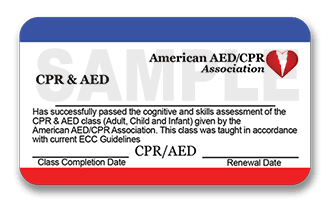
Who doesn’t love free stuff? Especially when it comes to something that looks official and could potentially help you land a job or volunteer position. The promise of getting a CPR certificate online without shelling out a dime is incredibly appealing. It taps into that universal desire to find a shortcut, a loophole, a way to get ahead without breaking the bank.
Why the Sudden Surge in Free Offers?
Honestly? It’s a marketing strategy, plain and simple. Offering something for free, especially a certification, acts as a massive magnet. They pull you in with the initial “free” bait. Once you’re hooked, they might have other services, more Full (and paid) courses, or they simply collect your information for future marketing efforts. It’s a classic lead generation tactic, just with a very important-sounding product.
What “Free” Usually Means in This Context
Most of the time, a “free CPR certification” isn’t truly free for the full package. You might get a free course, which is essentially just educational material. Think of it like reading a textbook. You’ve learned the stuff, sure, but you haven’t proven it in a way that a governing body or employer recognizes. The actual certification part? That’s usually where the cost creeps in.
The Hidden Costs and Downsides
So, you finish the “free” course and get a “certificate.” Great! Or is it? Many employers, especially in healthcare or childcare, require certifications from specific, accredited organizations. A certificate from a lesser-known online provider might be rejected outright. It’s like having a driver’s license from a made-up country – it doesn’t carry weight in the real world. This can lead to wasted time and, frustratingly, the need to pay for a real certification anyway.
Source : valuecpr.com
The Major Players: Red Cross vs. Others
When you start looking for CPR classes, a few big names inevitably pop up. The American Red Cross is a giant in the field, and for good reason. They have a long history and a reputation for solid training. But then you see other organizations, often heavily promoting “free” options. It’s Key to understand the difference. Not all certifications are created equal, and not all organizations are equally recognized.
American Red Cross: The Gold Standard (Mostly Paid)
The American Red Cross is a name you can generally trust. They offer various training programs, including CPR. However, their certification courses, especially those that include hands-on skills or lead to a recognized card, are typically not free. They offer online-only courses for knowledge acquisition, but the official certification often requires a blended learning approach or in-person skills session. You can find their online course options here: Red Cross CPR Online Training.
“Free” Online Providers: The Catch
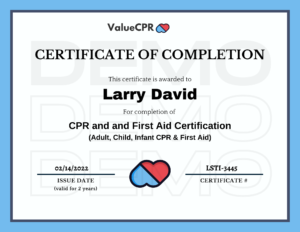
This is where things get murky. Companies like ValueCPR, and many others like them, often advertise free CPR certification online. They might offer a free course, and then provide a downloadable certificate upon completion. The big question is: Is this certificate accepted by your employer or required by your state? Often, the answer is no. These certificates might be useful for personal knowledge or perhaps for very specific, non-critical volunteer roles, but they rarely meet the stringent requirements of professional settings.
Accreditation Matters: Who Recognizes the Certificate?
This is the absolute key. Does the organization providing the certification have recognized accreditation? Major organizations like the American Heart Association and the American Red Cross are widely accepted because they have established standards and their certifications are recognized globally. Many of the “free” providers lack this formal accreditation or rely on less stringent, alternative accreditation bodies. Always ask potential employers or certifying bodies if they accept certification from a specific provider before you take the course.
Understanding “Online-Only” vs. “Blended Learning”
The world of online CPR training isn’t monolithic. You’ll encounter different formats, and understanding these is Key to getting the certification you actually need. An “online-only” course might teach you the theory, but it won’t prepare you for the practical, hands-on skills Needed for performing CPR correctly.
Online-Only Courses: Knowledge, Not Certification
Many “free” providers offer what are essentially online textbooks or video modules. You learn about chest compressions, rescue breaths, and how to use an AED. You might even take a quiz. Upon passing, you get a document stating you completed the course. This document isn’t usually a valid CPR certification card recognized by employers. It’s proof of learning, not proof of competency.
Blended Learning: The Best of Both Worlds
This is the most common format for recognized certifications. Blended learning combines online coursework with an in-person skills session. You complete the theoretical part online at your own pace. Then, you attend a short, hands-on session with a certified instructor to practice the physical techniques and demonstrate your proficiency. This is how you typically get a legitimate CPR certification card from organizations like the Red Cross or AHA.
The Role of Hands-On Skills Practice
CPR isn’t just about knowing what to do; it’s about doing it. The proper hand placement, the correct depth and rate of compressions, the way to deliver effective breaths – these are all physical skills. Online-only courses simply cannot replicate the tactile experience and instructor feedback necessary to master these techniques. This is why employers and regulatory bodies insist on in-person skills validation.
Decoding “Free CPR Certification Online With Certificate” Claims
Let’s break down those enticing phrases you see everywhere. “Free CPR Certification Online” and “Get Your Certificate Instantly!” These marketing terms are designed to grab your attention, but they often mask the reality of what you’re getting. It’s like seeing a “Free Pizza” sign – you get the pizza, but it might be tiny, cold, and missing toppings.
Source : americanbls.com

What Does “Certificate” Really Mean Here?
In the context of many free online providers, the “certificate” is often a printable document generated automatically after you complete their online module. It might list your name and the course title. However, it usually lacks details about the validating organization, the instructor’s credentials, or the date of any practical skills assessment (because there wasn’t one). It’s a document of completion, not necessarily a proof of qualified certification.
Legitimacy vs. Availability
Sure, you can get a certificate online for free. The availability is high. But is it legitimate in the eyes of someone who needs to see a valid, recognized CPR certification? That’s the million-dollar question. Many employers, particularly in healthcare, education, and emergency services, will outright reject these types of certificates. They require proof of training from accredited organizations that include skills validation.
Examples of “Free” Course Structures
You sign up for a “free CPR certification” website. You might be presented with a series of videos and text modules covering basic life support. You click through them, maybe answer a few multiple-choice questions. Once you hit “complete,” a PDF pops up. It looks official enough, maybe with a seal. But who issued that seal? Was it a recognized training center, or just the website owner? This is the critical distinction. Many offer this, but it’s just not the same as a certified CPR card.
Evaluating Online CPR Training Providers
Handling the sea of online CPR training requires a critical eye. Not all providers are created equal, and those shouting the loudest about being “free” often have the least credible offerings. You need to do your homework before committing your time, and potentially your money.
Red Flags to Watch Out For
Be wary of providers that promise instant certification with no hands-on component. If they don’t mention any form of skills assessment or in-person validation, it’s a huge red flag. Also, look for transparency. Can you easily find information about their accreditation? Are their instructors listed with verifiable credentials? A lack of clear contact information or a physical address can also be suspicious. If it feels too easy, it probably is.
Questions to Ask Potential Providers
Before you even start a course, fire off some questions.
- Is this course accredited by a nationally recognized organization (like AHA or Red Cross)?
- Does the certification require a hands-on skills check with a certified instructor?
- What type of certificate or card will I receive, and is it valid for [specific duration, e.g., two years]?
- Will this certification be accepted by employers in the [healthcare/childcare/etc.] industry?
- What is the total cost, including any required skills session fees?
Don’t be afraid to ask. It’s your time and potentially your career on the line.
Researching Provider Reviews and Reputation
Just like you’d check Yelp before trying a new restaurant, do a quick search for reviews of the CPR training provider. Look beyond their own website testimonials (which can be curated). Search for independent reviews on Google, forums, or even Better Business Bureau if applicable. See what actual students have to say about the legitimacy and recognition of their certificates. A pattern of complaints about unrecognized certifications is a major warning sign.
The Reality of Employer Acceptance
You might be able to get a “free CPR certificate online,” but the real test comes when you present it to your potential employer. This is where many people run into trouble, having to scramble for a legitimate certification at the last minute.
Why Employers Demand Specific Certifications
Employers, especially in fields where immediate life-saving intervention is a possibility (think nurses, EMTs, lifeguards, daycare providers, teachers), need assurance that their staff are properly trained and competent. They rely on certifications from established organizations like the American Heart Association (AHA) and the American Red Cross because these bodies have rigorous training standards and Make sure a baseline level of practical skill. Accepting a certificate from an unverified online source is a liability they generally won’t take.
Source : aedcpr.com
Industry Standards and Requirements
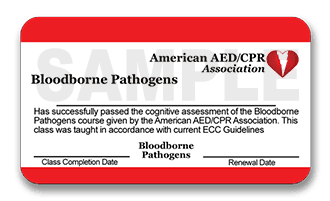
Different industries have different requirements. A hospital will have much stricter criteria than a community volunteer group. It’s Needed to know what your specific field or potential employer requires. Some might accept online-only courses for informational purposes, but virtually all professional roles requiring CPR certification will mandate a certification card issued after a skills assessment. Always check the requirements for your specific situation.
The Cost of Getting it Wrong
You invest hours into an online “free” CPR course, get your certificate, and then show up for your first day of a new job only to be told your certification is invalid. The cost isn’t just the money you might have to spend on a proper course; it’s also the lost time, the potential embarrassment, and the delay in starting your job or volunteer work. It’s far more efficient to get it right the first time.
Comparing Reputable vs. “Free” CPR Options
Let’s lay it out side-by-side. What are you really getting when you opt for a recognized, often paid, certification versus a free online-only certificate?
Accreditation and Recognition
Reputable providers (AHA, Red Cross) offer certifications recognized globally by employers, government agencies, and other official bodies. Free providers often offer certificates with little to no recognized accreditation, making them useless for professional purposes.
Training Quality and Depth
Paid, accredited courses involve Full learning materials and, crucially, hands-on skills practice with instructor feedback. This ensures you learn not just the theory but also the practical application. Free online courses typically lack the practical component, leaving you with theoretical knowledge only.
Cost Breakdown: What’s Included
A typical blended learning CPR certification course might cost anywhere from $50 to $150. This fee usually covers the online portion, the in-person skills session, the instructor’s time, and the official certification card/wallet card. “Free” courses are free for the online material, but the actual recognized certification (if offered at all) often incurs a separate fee, negating the “free” aspect.
Here’s a table highlighting some key differences:
| Feature | Reputable Provider (e.g., AHA, Red Cross – Blended) | “Free” Online Provider (Online-Only) |
|---|---|---|
| Cost | Paid ($50-$150 typically) | Advertised as Free (often only for the course material) |
| Certification Type | Official Card (e.g., AHA BLS card), recognized by employers. Valid for 2 years typically. | Printable Certificate of Completion. Often not recognized by employers. Limited validity. |
| Skills Assessment | Mandatory In-Person Hands-On Skills Session | None (Online Only) |
| Accreditation | High (National/International Recognition) | Low or None (Questionable Recognition) |
| Employer Acceptance | Widely Accepted | Rarely Accepted for Professional Roles |
| Learning Method | Blended: Online Theory + In-Person Practice | Online Theory Only |
| Example Provider | American Heart Association, American Red Cross | Various websites advertising “Free CPR” (e.g., ValueCPR – check their specific offerings carefully) |
Making the Smart Choice for Your Certification
So, you’ve seen the options, you understand the pitfalls. What’s the best path forward if you need a CPR certification with a certificate that actually means something?
Prioritize Recognition Over “Free”
If your goal is professional acceptance or genuine preparedness for emergencies, prioritize a certification that is widely recognized. This almost always means going through an established organization like the American Heart Association or the American Red Cross, even if it involves a cost. Think of it as an investment in your career or your ability to help someone in need.
Source : aedcpr.com
When Might a “Free” Certificate Be Okay?
There are niche situations. Perhaps you want to refresh your memory on CPR procedures for personal knowledge. Maybe you’re part of a community group that isn’t professionally regulated and just wants basic awareness. In these cases, a free online course can provide valuable information. Just understand its limitations – it’s for learning, not for formal certification required by employers.
Finding Affordable Legitimate Options
Don’t assume all legitimate certifications are prohibitively expensive. Many local fire departments, community centers, and healthcare facilities offer CPR certification classes at reasonable rates. Sometimes, organizations like the Red Cross have promotions or specific programs. Keep an eye out for these more affordable, yet fully accredited, options. Exploring resources like ValueCPR might reveal low-cost options, but always verify their accreditation and employer acceptance before enrolling.
The Verdict on Free CPR Certification Online
Let’s be blunt. If you need a CPR certification that will be accepted by your employer, especially in a healthcare, childcare, or emergency response role, then “free CPR certification online” is almost certainly not going to cut it. It’s a marketing ploy that offers information but rarely delivers a valid, recognized credential.
Why the Red Cross and AHA Are Usually the Way to Go
These organizations have built decades of trust. Their training programs are thorough, evidence-based, and their certifications are the industry standard. While they charge for their services, it’s because they offer a Full training experience that includes Key hands-on skills assessment and a certificate that carries real weight. You can look at the Red Cross’s approach to online training here: Red Cross CPR Online Courses.
Don’t Get Caught Without a Valid Certificate
The temptation of “free” is strong, but the consequences of an invalid certification can be severe. Wasted time, lost job opportunities, and the false sense of security are not worth saving a few dollars. Always verify the accreditation and employer acceptance of any CPR certification program before you commit.
Invest in Real Training, Reap Real Benefits
Getting properly certified in CPR is about more than just a piece of paper. It’s about gaining the confidence and skills to potentially save a life. Investing in a reputable, accredited course is an investment in your competence, your career, and your community. Choose wisely!
Frequently Asked Questions
Does it cost money to get CPR certified online?
Some places offer free CPR certification classes online, but often these don’t come with an official certificate. For a recognized certificate, you might need to pay a small fee, or sometimes the training is free if you volunteer with certain organizations. Always check what’s included!
Do Red Cross volunteers get free CPR classes?
Yep, often the American Red Cross offers free CPR certification and training for their volunteers as part of their service. It’s a great way to give back and get certified at the same time. Check with your local chapter for details on their volunteer programs and associated training.
Are online CPR certificates valid?
It really depends on who is offering the certification. For general awareness or introductory purposes, an online certificate might be fine. But for professional requirements, like healthcare or childcare, you’ll likely need a hands-on skills session along with the online part, or a certificate from an accredited institution that’s recognized by your employer or governing body. Look for courses that meet specific standards like AHA or Red Cross.
How long does a free online CPR certification last?
Most CPR certifications, whether online or in-person, are valid for about two years. After that, you’ll need to take a renewal course to keep your skills and certification up-to-date. Always note the expiration date on your certificate.
What’s the difference between online-only CPR and blended learning?
Online-only CPR courses usually cover the knowledge part, and you get a certificate for completing it. Blended learning, which is often more accepted for official certification, involves an online portion to learn the theory, followed by a mandatory in-person skills session to practice and demonstrate your techniques. This blended approach ensures you’re ready for real emergencies.
0 Response to "Free Cpr Certification Classes Online With Certificate"
Post a Comment