How To Become Cfp Certified
So, you’re thinking about diving headfirst into the world of financial planning and snagging that coveted CFP certification? Good. Very good. It’s a serious commitment, but man, is it worth it if you’re looking to build a career with real substance and client trust.
Forget those stuffy brochures. Becoming a Certified Financial Planner is more than just passing a test. It’s about a fundamental shift in how you approach helping people with their money, their futures, their dreams.
The Real Scoop: What Even IS CFP Certification?
Alright, let’s cut through the jargon. What are we even talking about here? At its core, the CFP certification is the gold standard. It signals to the world that you’ve got the chops, the knowledge, and the ethical backbone to guide folks through their financial lives.
Beyond Just Numbers: The Pillars of Planning
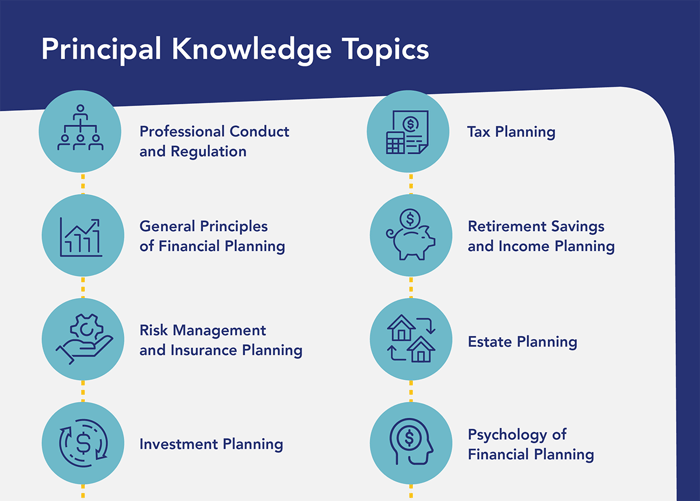
This isn’t just about crunching stock numbers or picking the best mutual funds. Nope. The CFP Board expects you to understand the human side of finance. We’re talking about retirement, insurance, estate planning, investing, taxes, and ethics. All of it. It’s a Overall approach.
Think of it like this: you’re not just a mechanic fixing a car; you’re the trusted advisor who helps someone plan a cross-country road trip, ensuring they have the right vehicle, the best route, and safety nets for unexpected bumps.
Why Bother? The Perks of Being Certified
Let’s be honest, the process isn’t a walk in the park. But the payoff? Huge. Clients seek out CFP professionals. It means credibility. It means they trust you’re not just trying to sell them something, but genuinely looking out for their best interests. That’s a powerful differentiator.
Plus, for your own career? It opens doors. You’ll command more respect, potentially higher earnings, and the satisfaction of knowing you’re operating at the highest level of the profession. Who wouldn’t want that?
Is It All Smooth Sailing? The Honest Truth
Now, don’t let me fool you. It’s a grind. There are requirements, education, exams, and experience to rack up. It demands dedication. You’ll be burning the midnight oil, no doubt about it. But that’s what makes it valuable.
If it were easy, everyone would have it, right? And then it wouldn’t mean squat.
The Foundation: Before You Even Think About the Exam
Source : 300hours.com
Okay, so you’re still in? Awesome. Before you even dream about sitting for the exam, you need to lay some serious groundwork. This isn’t a last-minute cram session. It’s a multi-year commitment, really.
Education Requirements: Getting Schooled (For Real)
This is non-negotiable. You absolutely must complete a CFP Board-registered education program. These aren’t your grandad’s correspondence courses. They’re Full programs designed to cover all the bases. You can find accredited programs at universities and other institutions.
Choosing the right program is key. Some are faster, some are more in-depth. Think about your learning style and your timeline. This will significantly impact your path.
The Experience Factor: Getting Your Hands Dirty
Knowledge is one thing; practical application is another. The CFP Board requires you to have relevant work experience. This means you’ve been doing the actual job of financial planning, not just reading about it.
They spell it out pretty clearly on their site: www.cfp.net/certification-process. It’s usually a few years of direct experience working with clients on financial planning topics. This real-world exposure is what separates the book smarts from the street smarts.
Can You Handle the Ethics? The Moral Compass Check
This is huge. The CFP designation comes with a fiduciary duty. That means you must act in your client’s best interest, always. No exceptions. The ethics component of the certification is taken incredibly seriously. You’ll be vetted, and you need to demonstrate a commitment to the highest ethical standards.
Seriously, if you’re looking to cut corners or push products that aren’t right for your clients, just stop now. This path isn’t for you. It’s about integrity above all else.
Breaking Down the Exam: The Gauntlet You Must Run

Source : dvidshub.net
Ah, the exam. The big one. It’s the gatekeeper to all that hard work. And it’s notorious. Think of it as the final boss battle in your journey to becoming a Certified Financial Planner.
What’s Actually ON The Test?
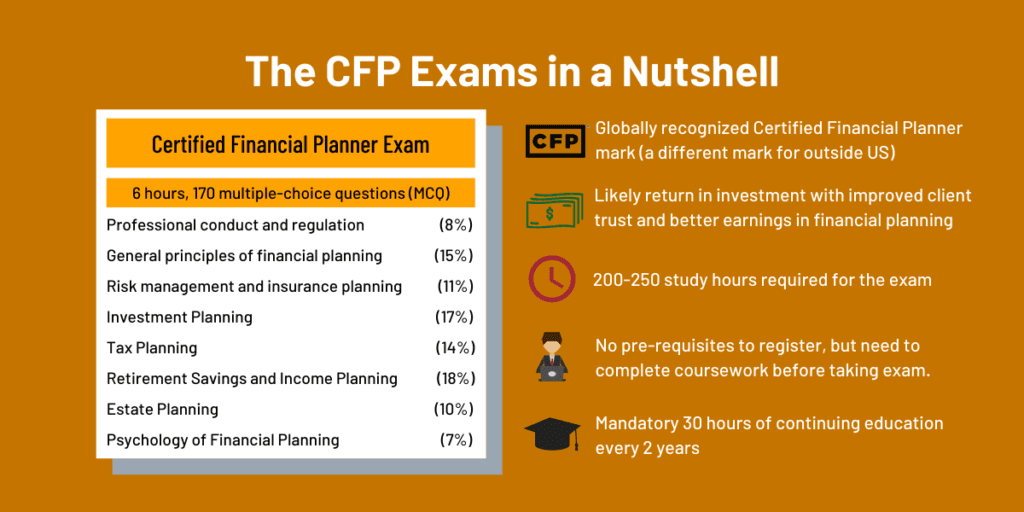
It’s Full. Like, really Full. They cover everything you learned in your education and hopefully gained from your experience. We’re talking about financial plan development, risk management and insurance, investment planning and portfolio management, retirement savings and strategies, tax planning, and estate planning.
Each section is designed to test not just your knowledge, but your ability to apply it to realistic client scenarios. You’ll be analyzing situations, making recommendations, and justifying your choices.
Exam Structure: Brace Yourself
The exam is typically a multi-day event. It’s administered on computers at testing centers. You’re looking at a significant number of questions, spread out over a considerable amount of time. It’s designed to be challenging, testing your stamina as much as your knowledge.
Don’t underestimate the test administration itself. Familiarize yourself with the testing center rules and procedures. You want to focus on the questions, not on figuring out the tech.
Passing Score: No Room for “Almost”
There’s no set percentage that’s publicly announced. The CFP Board uses a psychometric approach to determine the passing score. What that really means is that it’s not fixed; it can vary slightly based on the difficulty of the specific exam administered. Just aim for perfection, and you’ll be in good shape.
Focus on mastering the material, not just hitting some arbitrary number. Understanding the concepts deeply is what truly matters.
Post-Exam Steps: The Final Hurdles
Source : redbull.com

You passed! Amazing! But wait, there’s a bit more. Don’t start celebrating too hard just yet. There are a couple more hoops to jump through before you can officially put “CFP” after your name.
The Background Check: Clean Slate Required
The CFP Board wants to Make sure you’re a person of integrity. They conduct a thorough background check. This includes reviewing your financial and criminal history. Any skeletons in the closet? Now’s the time to hope they stay there.
This is where that ethics requirement really comes into play. They’re looking for any red flags that might indicate you’re not suited for the fiduciary responsibility.
Agreeing to the Standards: The Pledge
Once you’ve passed the exam and cleared the background check, you’ll need to agree to abide by the CFP Board’s Code of Ethics and Standards of Conduct. This is a binding agreement. It outlines your professional responsibilities and ethical obligations.
It’s a commitment to put your clients’ needs above your own, to maintain objectivity, and to act with integrity. It’s the bedrock of the entire CFP designation.
Continuing Education: Never Stop Learning
Getting certified isn’t a one-and-done deal. To maintain your status, you’ll need to complete a certain number of continuing education (CE) hours every two years. This keeps your knowledge current in an ever-changing financial world.
Think of it as staying sharp. Financial markets shift, regulations change, new products emerge. Your CE ensures you’re always up-to-date.
Watch: How to Become a Certified Financial Planner (2026)
Alternative Paths: What If I Don’t Have a Degree?

Source : amazon.com
You might be thinking, “What if I don’t have a four-year degree?” Or maybe you’ve been in the industry for ages but never pursued formal education. Good news! The CFP Board offers alternative pathways for those who meet specific experience and examination criteria. It’s not just about the classroom.
The Challenge Pathway: Proving Your Mettle
For seasoned professionals, the CFP Board has a challenge route. This typically involves having significant experience in financial planning and passing a challenge exam. It’s designed to recognize the practical knowledge gained over years in the field.
This option acknowledges that not all learning happens in a university setting. Sometimes, real-world application trumps academic credentials.
DSP vs. CFP: Understanding the Differences
You might also encounter other designations like the “Disability Specialist Professional” (DSP) or designations offered by different bodies, such as FINRA. It’s Key to understand that these are not the same as the CFP certification. For example, FINRA offers resources for investors curious about professional designations, but the CFP designation itself is governed by the CFP Board. Always verify the requirements and prestige of any designation you consider.
Comparing designations is smart. Make sure you know what you’re aiming for and what each one truly represents. The CFP designation is distinct in its rigor and its fiduciary standard.
What About a Master’s Degree?
Certain advanced degrees, like a Master’s in Financial Planning or an MBA with a concentration in finance, can sometimes satisfy the education requirement or parts of it. It depends on the specific curriculum and whether the program is registered with the CFP Board. Always check directly with the board or the institution offering the degree.
This is where a little detective work pays off. Cross-reference the degree program’s coursework with the CFP Board’s educational requirements. It can save you a lot of time and money.
So, you’re aiming for that Certified Financial Planner™ designation. Good for you. It’s not exactly a walk in the park, but the payoff can be huge. Let’s get down to the nitty-gritty. We’re talking about what it really takes, beyond just wanting it. This is the stuff that separates the dreamers from the doers. Buckle up.
What Are The Educational Requirements To Become A Cfp
Source : bostonifi.com
The Degree Dilemma: Is A Specific Major Required?
First off, the big question: do you need a fancy degree? Well, yes and no. The CFP Board mandates a college degree. But it doesn’t have to be in finance. Seriously. You could have a degree in basket weaving and still qualify, as long as it’s from an accredited institution and you’ve covered the necessary coursework. Think of it as a baseline. It shows you can commit to something long-term and follow instructions.
Coursework: The Real Meat of the Education
This is where it gets specific. You can’t just waltz in with any old diploma. You’ve got to prove you’ve actually learned about financial planning. This means completing a CFP Board-registered program. These programs are designed to cover all the Needed topics, from retirement planning to ethics. They’re not optional; they’re a gatekeeper.
The Experience Factor: Beyond the Books
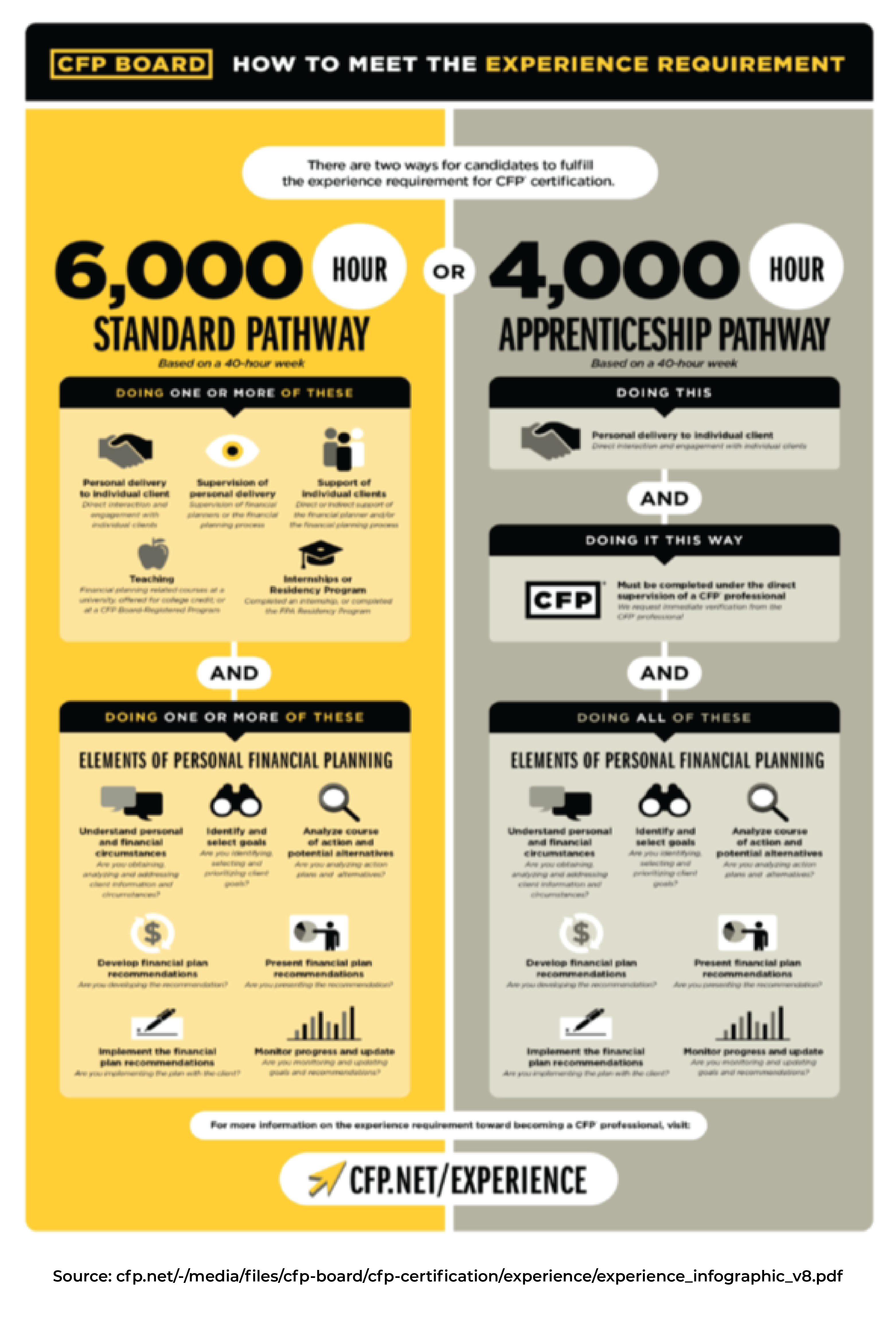
Education isn’t just about sitting in a classroom. The CFP Board also requires relevant work experience. This is Key. You need to show you can apply what you’ve learned in the real world. We’re talking about dealing with clients, analyzing their financial situations, and offering advice. It’s the practical application that truly matters here, proving you’re not just book smart but also street smart in the financial planning world.
Alternative Paths: For Those Already in the Know
What if you’ve been grinding in the finance industry for years? Good news. The CFP Board has pathways for experienced professionals. If you hold certain designations or have significant experience, you might be able to waive some of the educational requirements. It’s a nod to the fact that practical, hands-on experience often speaks volumes. Check their guidelines carefully; it could save you a ton of time and money.
How Long Does It Take To Get A Cfp Certification
Source : kitces.com
The Academic Marathon: Degree and Coursework Timeline
Okay, let’s talk time. Getting that bachelor’s degree? That’s typically four years. Then, you’ve got the CFP Board-registered coursework. This can take anywhere from 12 to 24 months, depending on whether you’re doing it full-time, part-time, or as part of your degree. It’s a significant chunk of your life, no doubt about it. You’re essentially stacking education on top of education.
The Experience Gauntlet: Counting Your Work Years
Now for the work experience. This is where things can get a bit variable. You’ll generally need about two years of relevant experience. But here’s the kicker: this experience often needs to be gained after you’ve completed your degree. Some exceptions exist, but generally, you’re looking at accumulating this experience while you’re already on the professional track. For some, this happens concurrently with coursework; for others, it’s a post-coursework requirement.
Exam Prep and the Big Test Day
Don’t forget the exam itself. Preparing for the CFP exam is no joke. Most people spend at least three to six months intensely studying. This involves diving deep into practice questions, mock exams, and reviewing complex financial planning concepts. Then, of course, there’s the exam duration itself – it’s a multi-day beast. So, add that to your timeline. It’s a commitment.
The Grand Total: A Realistic Timeframe
So, let’s add it all up. If you’re starting from scratch with a bachelor’s degree, you’re realistically looking at anywhere from five to seven years to become fully CFP certified. It can be faster if you’re already close to finishing your degree or if you have significant prior experience that counts. But for most, it’s a Large, multi-year journey. There are no shortcuts here, folks.
How Much Does The Cfp Exam And Certification Cost
Source : 300hours.com
The Application Fee: Just to Get Your Foot in the Door
Before you even think about studying, there’s an application fee. This is the CFP Board’s way of saying, “Okay, you’re serious.” It’s a non-refundable charge just for submitting your eligibility application. It’s not a massive amount, but it’s the first financial hurdle. Think of it as an entry fee for the race.
The Exam Fee: The Big Ticket Item
This is where the cost really jumps. The CFP exam fee is Large. It covers the development, administration, and grading of one of the most rigorous financial planning exams out there. You’ll be shelling out a significant sum to sit for this test. It’s an investment, yes, but it’s an upfront one that stings a little.
Education Program Costs: The Investment in Knowledge
Remember those CFP Board-registered education programs? They aren’t free. The cost varies wildly depending on the provider and the format (online, in-person, self-study). Some can be a few thousand dollars, while others, especially Full master’s degree programs, can run much higher. This is often the largest educational expense you’ll encounter. A great resource like Kaplan Financial can give you a good idea of program costs.
Ongoing Fees: It Doesn’t End After You Pass
Congratulations, you passed! But wait, there’s more. To maintain your CFP certification, you have to pay annual fees to the CFP Board. These aren’t astronomical, but they are recurring. Plus, you’ll need to complete continuing education (CE) to stay current, and those CE courses can also cost money. So, the financial commitment continues long after you’ve earned the designation.
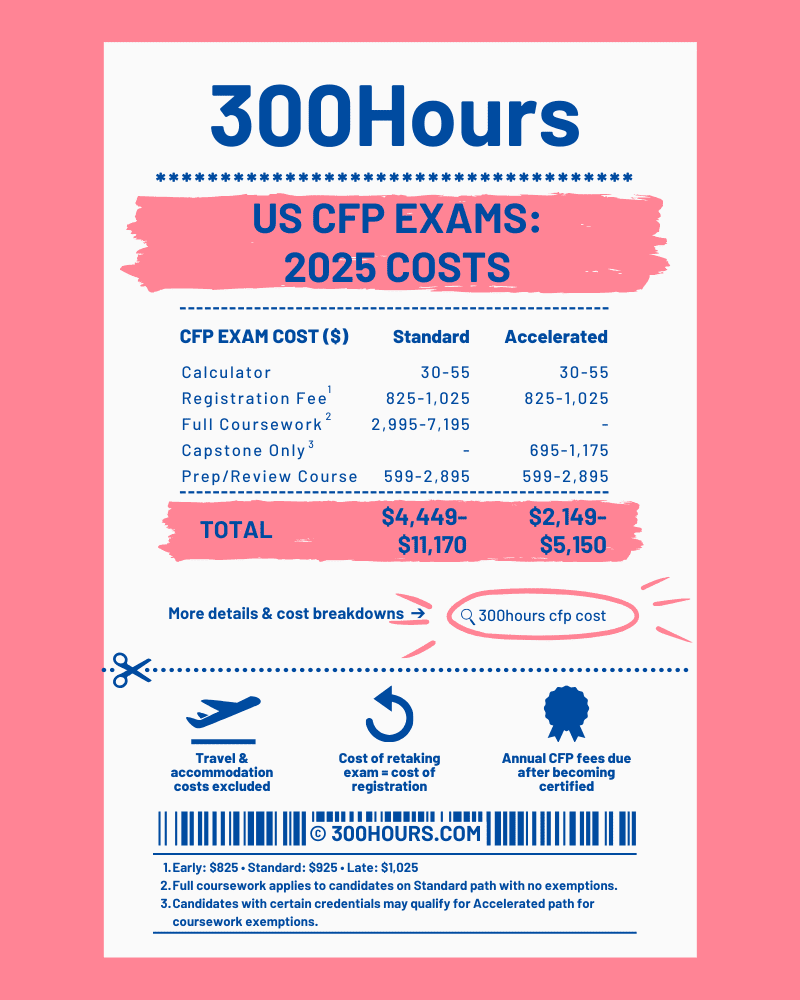
Here’s a rough breakdown:
| Cost Item | Estimated Range (USD) | Notes |
|---|---|---|
| CFP Board Application Fee | $100 – $250 | Non-refundable, per candidate. |
| CFP Exam Fee | $1,000 – $1,300 | Paid per exam attempt. |
| Education Program Costs | $2,000 – $10,000+ | Varies widely by provider and format. |
| Study Materials/Prep Courses | $500 – $2,500+ | Optional but highly recommended. |
| Annual Certification Fee | $300 – $400 | Paid annually to maintain certification. |
| Continuing Education (CE) | $200 – $1,000+ annually | Cost of courses to meet CE requirements. |
Best Cfp Exam Prep Courses And Study Materials
Source : kitces.com
Why You Absolutely Need a Prep Course
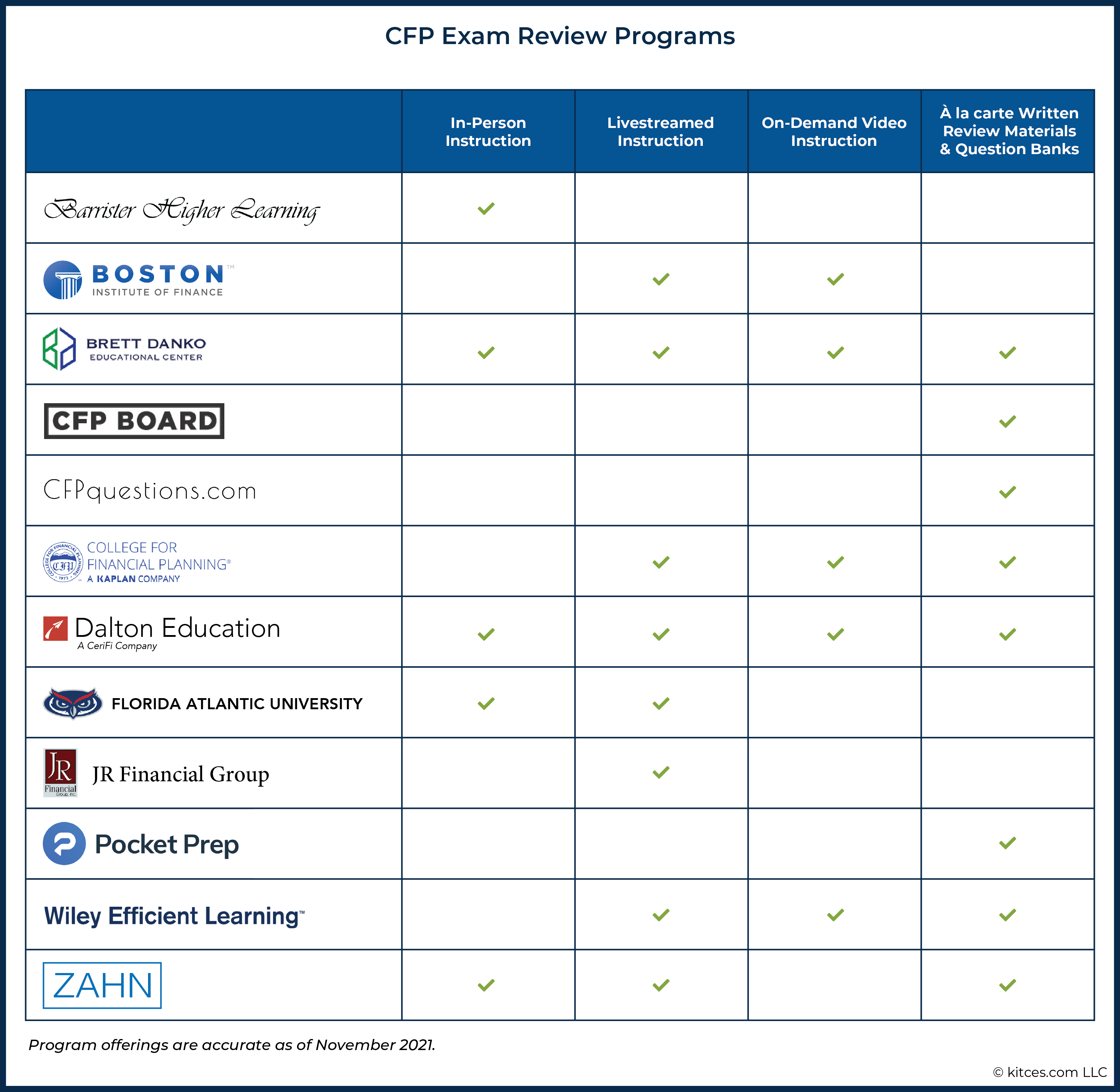
Look, the CFP exam isn’t something you can just wing. It’s notoriously difficult. Relying solely on your education program or textbooks is like trying to climb Mount Everest in flip-flops. You need structured, focused preparation. A good prep course condenses vast amounts of information, highlights key concepts, and gives you realistic practice under exam conditions. It’s the difference between struggling and succeeding.
Key Features to Look For in a Prep Provider
When you’re shopping around, what should you be hunting for? Definitely look for courses that offer Full study guides, extensive question banks with detailed explanations, and realistic mock exams. Live review sessions or Q&A forums can be Crucial for clarifying tricky topics. Also, consider the format – do you prefer self-paced online modules, or are you more of a live-class person? Personalize your learning.
Top Tier Providers: Where the Candidates Go
There are a few big names in the CFP exam prep world. Companies like Kaplan Financial Education are well-established and offer a range of options. Other popular choices include Dalton Education and The College for Financial Planning (which also offers the education programs). Do your homework. Read reviews. See which provider’s teaching style and materials Connect most with how you learn best. It’s a big decision, so don’t rush it.
Self-Study vs. Structured Programs: Which is Right for You?
Can you do it yourself? Maybe. If you’re incredibly disciplined and have a near-perfect grasp of all the material from your education program, perhaps. But honestly? Most people benefit hugely from a structured prep program. These programs are designed by people who know the exam inside and out. They guide you, they push you, and they help you focus your energy where it matters most. For the high stakes involved, a structured approach is usually the smarter play.
Is Getting A Cfp Certification Worth It For Financial Advisors
Source : accounting.uworld.com
The Earnings Potential: More Than Just a Piece of Paper
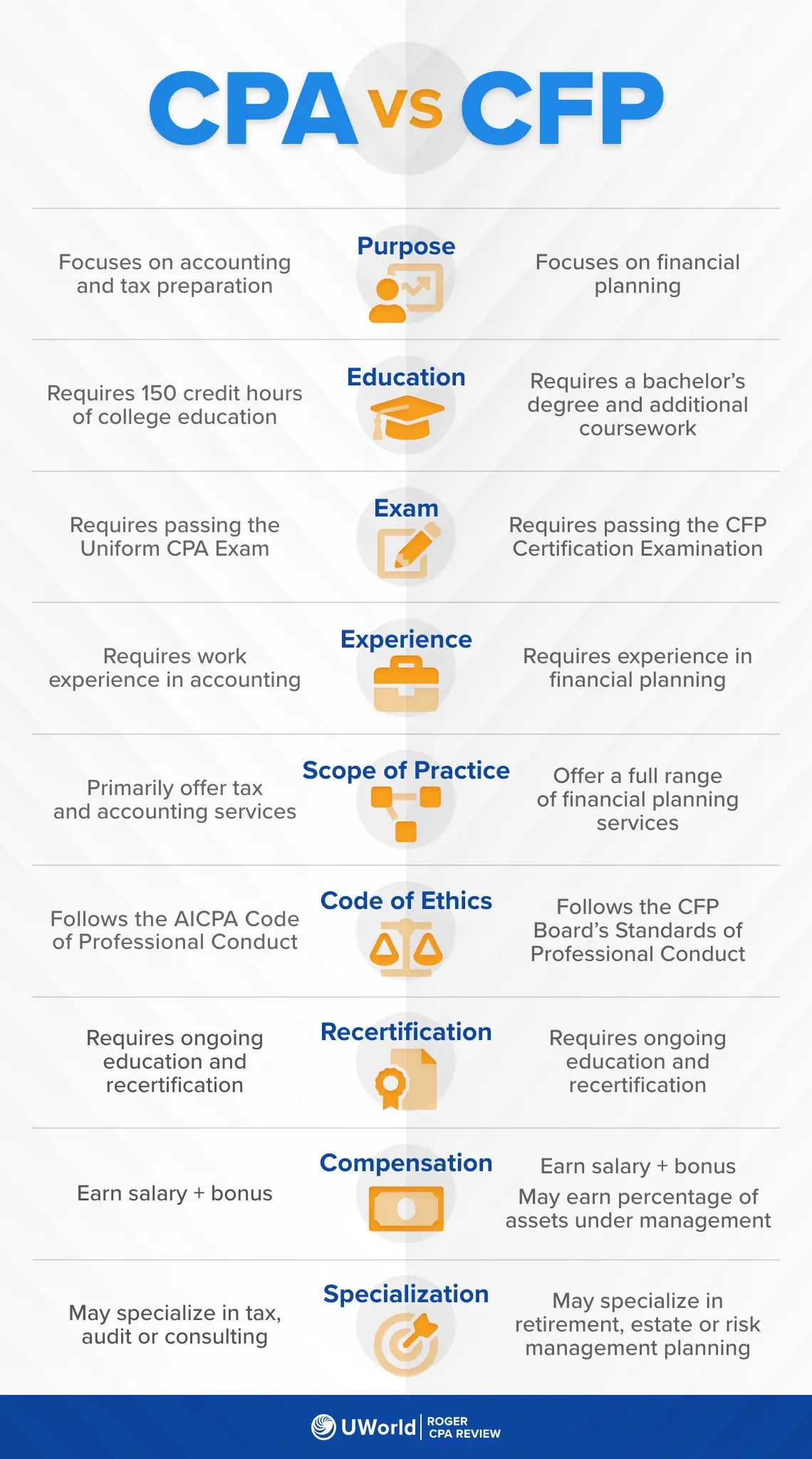
Let’s cut to the chase. Does being a CFP® professional translate to more money? In most cases, yes. Financial advisors with the CFP designation often command higher salaries and commission potential. Clients tend to trust and seek out advisors who have demonstrated a commitment to rigorous standards and ethical conduct. That increased earning potential is a primary driver for many advisors.
Client Trust and Credibility: Building a Reputation
It from a client’s perspective. When you’re entrusting someone with your life savings, you want to know they’re qualified. The CFP® mark is a globally recognized symbol of expertise and trustworthiness in financial planning. It tells clients you’ve met stringent education, examination, experience, and ethical requirements. This boost in credibility can be a massive differentiator in a crowded market.
Career Advancement Opportunities: Opening New Doors
Holding a CFP certification can significantly enhance your career trajectory. It can open doors to more senior roles, leadership positions, and opportunities to specialize in niche areas of financial planning. Firms often actively seek out CFP professionals for key roles. It signals a certain level of dedication and competence that employers value highly. Consider it a career accelerator.
The Personal Satisfaction: Doing Good Work
Beyond the money and career perks, there’s immense personal satisfaction that comes with earning and holding the CFP certification. You’re equipped with the knowledge and ethical framework to genuinely help people achieve their financial goals. This ability to make a real, positive impact on clients’ lives is, for many, the most rewarding aspect of the profession. It’s about making a difference.
Frequently Asked Questions
Which pays more, CFP or CPA?
Honestly, it really depends on where you work and what you specialize in. Generally speaking, a Certified Public Accountant (CPA) often sees a slightly higher average salary, especially in public accounting firms dealing with complex tax law or auditing. However, a Certified Financial Plaer (CFP) can earn just as much, if not more, particularly if they build a successful independent practice or focus on high-net-worth clients. It’s not always a clear-cut win for one over the other; your specific career path and client base matter a lot.
How long does it actually take to get CFP certified?
Okay, buckle up, because it’s not a weekend project. You’re looking at a minimum of a few years of experience, plus the coursework. The education part can take anywhere from a year to 18 months if you’re going at it full-time. Then you’ve got to pass that beast of an exam. So, realistically, from starting the education to actually holding that CFP mark? Plan for at least two to three years, maybe longer if you’re balancing it with a demanding job.
Is the CFP exam hard?
Man, they don’t call it the ‘bar exam of personal finance’ for nothing. It’s notoriously difficult. It covers a HUGE range of topics – from retirement plaing and investment strategies to insurance and estate plaing. Most people fail it on their first try. You absolutely have to dedicate serious study time, probably hundreds of hours, and really understand the material, not just memorize it. Think deep dives, not just skimming.
What kind of jobs can I get with CFP certification?
A CFP opens up a ton of doors in the financial world. You could be a financial advisor at a big firm, or start your own independent practice. Wealth management is a big one. You could also work in financial plaing for corporations, focus on retirement plaing for specific groups, or even move into roles involving investment management. Basically, anywhere people need expert help managing their money, a CFP designation is gold.
Do I need a degree to become a CFP?
Yes, absolutely. You’re generally going to need a bachelor’s degree from an accredited college or university. It doesn’t have to be in finance specifically, but having a relevant degree definitely helps with the coursework and the exam itself. Think business, economics, accounting – those are pretty common paths. So, degree first, then the CFP journey.
0 Response to "How To Become Cfp Certified"
Post a Comment