How To Get Osha 10 Hour Certification Online
Alright, let’s cut to the chase. You need that OSHA 10 certification, and you want to knock it out online without the hassle. Smart move. Sitting in a stuffy classroom for two days? No thanks. The digital world’s got your back, offering a way to snag that Key credential from your couch, your lunch break, or whenever inspiration strikes. But it’s not just about clicking through slides; it’s about actually getting trained and proving you can work safe. So, how do you navigate the online maze to get your OSHA 10 hour certification online the right way?
Forget the endless scrolling and the shady-looking websites promising instant cards. We’re talking about a legitimate process that employers actually respect. This isn’t just a piece of paper; it’s your ticket to safer job sites and a signal to potential bosses that you take your well-being seriously. Let’s break down what you really need to know.
Why Bother With An OSHA 10 Hour Certification Anyway?
It’s More Than Just a Card, It’s Peace of Mind
Look, accidents happen. Sometimes they’re unavoidable. But a huge chunk of workplace incidents? Totally preventable with the right knowledge. Getting your OSHA 10 hour training shows you’re not just showing up to collect a paycheck; you’re actively trying to avoid becoming a statistic. It’s about going home at the end of the day in one piece. That’s Crucial, right?
Entry Ticket for Many Industries
Here’s the hard truth: many construction companies, general contractors, and even some manufacturing facilities require it. If you want to get your foot in the door, especially in entry-level positions or on specific job sites, that little card (or its digital equivalent) isn’t optional. It’s a non-negotiable prerequisite. Think of it as your professional handshake.
Boosting Your Resume’s Appeal
Let’s be honest, the job market is competitive. Standing out is key. Listing your OSHA 10 certification on your resume tells hiring managers you’ve taken proactive steps toward workplace safety. It differentiates you from candidates who haven’t bothered. It subtly screams, “I’m reliable, responsible, and I won’t be a liability.
Understanding Your Rights and Risks
The training isn’t just about memorizing rules. It’s about understanding hazards specific to your work environment. You learn about your rights as a worker, what OSHA does, and how to identify potential dangers before they escalate. Knowing about fall protection, electrical safety, or hazard communication can literally save your life. It empowers you.
Handling the Maze: Finding Legit Online Providers
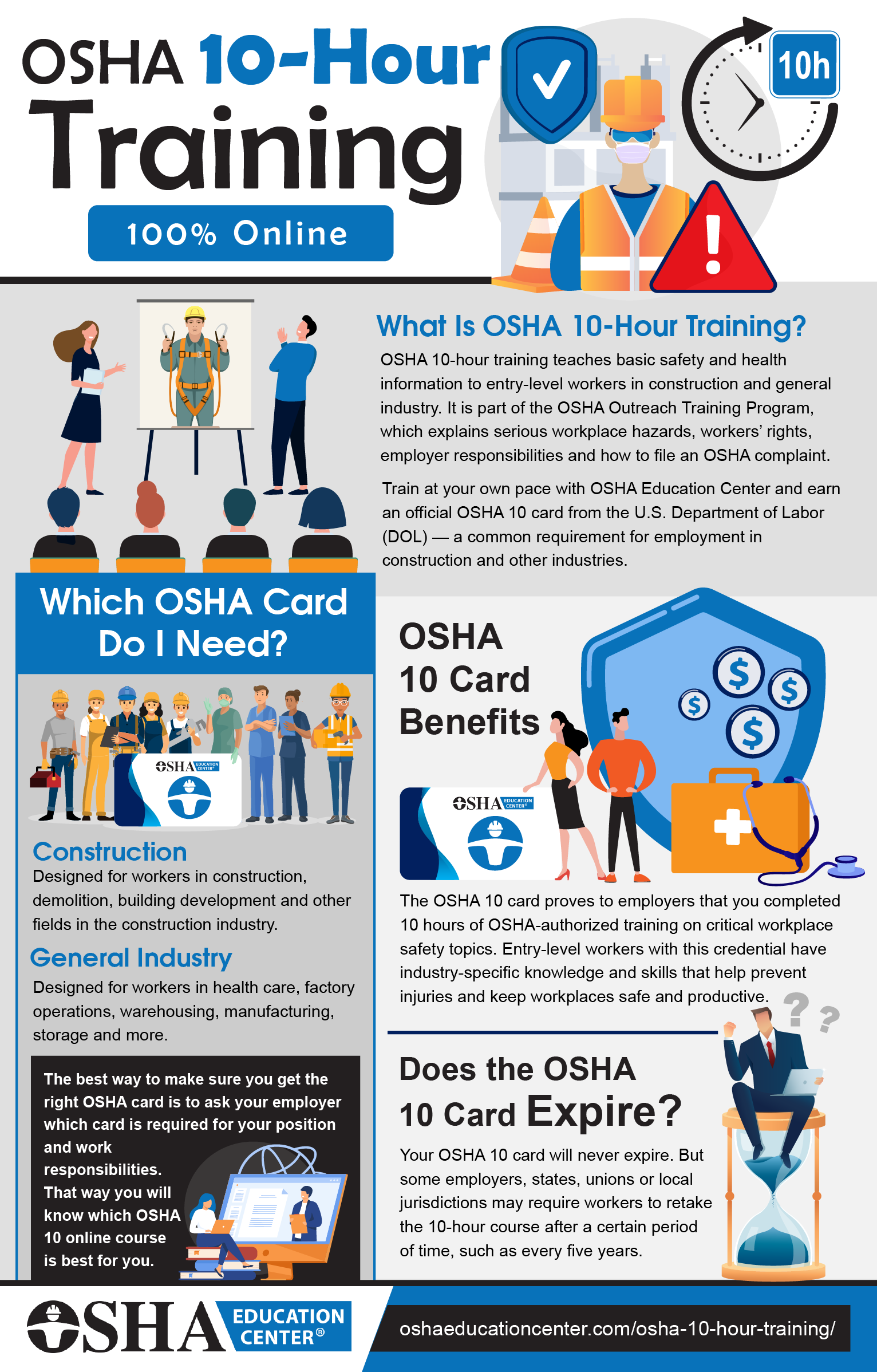
Source : oshaeducationcenter.com

Source : secure.touchnet.net
The Official OSHA-Authorized List
This is ground zero. The Occupational Safety and Health Administration maintains an official list of OSHA-authorized Outreach Training Program providers. You must choose a provider from this list. Seriously, bookmark it. It’s your best defense against fake cards and useless courses. You can find this Key list directly on the OSHA website. Don’t wing it; check the source.
What “Authorized” Actually Means
Being “authorized” means these providers have met OSHA’s strict standards for curriculum, instructors, and administration. They follow a set outline approved by OSHA. It’s not just some random guy with a website; it’s a structured program designed for real safety education. This ensures you’re getting the actual OSHA 10 hour training content, not a watered-down version.
Beware of the Scammers and the “DOL Card” Misconception
You’ll see tons of sites promising instant cards. Many are scams. Some offer “OSHA-accepted” cards, which isn’t the same as OSHA-authorized. Others might just send you a certificate that looks official but carries no weight with employers. And that “DOL card”? That refers to the Department of Labor, which oversees OSHA, but the card itself is issued by the authorized training provider after successful completion. Don’t get tricked by fancy names or unbelievable prices. Stick to the authorized list.
Look for Specific Course Details
A legitimate course will clearly state it’s the “OSHA 10-Hour Construction Industry Outreach Training Program” or the “OSHA 10-Hour General Industry Outreach Training Program.” They’ll outline the topics covered and the total duration (it’s 10 hours, after all). If a site is vague about this, run the other way. Clarity is key here.
Understanding the Two Main OSHA 10 Tracks
Construction Industry Focus
This is the big one for most people looking for this certification. If your work involves building sites, infrastructure, roadwork, demolition, or anything related to the construction trades, you need the OSHA 10 Construction course. It dives deep into hazards specific to construction environments: fall protection, scaffolding, trenching, electrical safety, and heavy equipment operation risks. Check out providers like CareerSafe for example of a legitimate construction course.
General Industry Focus
Think factories, warehouses, manufacturing plants, healthcare facilities, and retail environments. The OSHA 10 General Industry course covers a broader range of potential hazards applicable to these diverse workplaces. Topics include hazard communication, machine guarding, indoor air quality, ergonomics, and emergency preparedness. It’s a different beast than construction, but equally important for those sectors.
Which One is Right for You?
It boils down to your actual job or the industry you’re trying to enter. If you’re swinging a hammer or operating a crane, go for Construction. If you’re working on a production line or in a hospital, General Industry is likely your path. Some people mistakenly think any OSHA 10 card will do. Wrong. Using the wrong course might mean you miss critical safety information relevant to your specific role, and an employer might even reject it.
Can You Take Both?
Sure, you can technically take both if your work spans multiple areas or you want to be extra thorough. However, most workers only need the one specific to their primary industry. Your employer or the job requirements will usually make it clear which version you need. Don’t just default to construction unless that’s truly your field.
The Online Course Experience: What to Expect
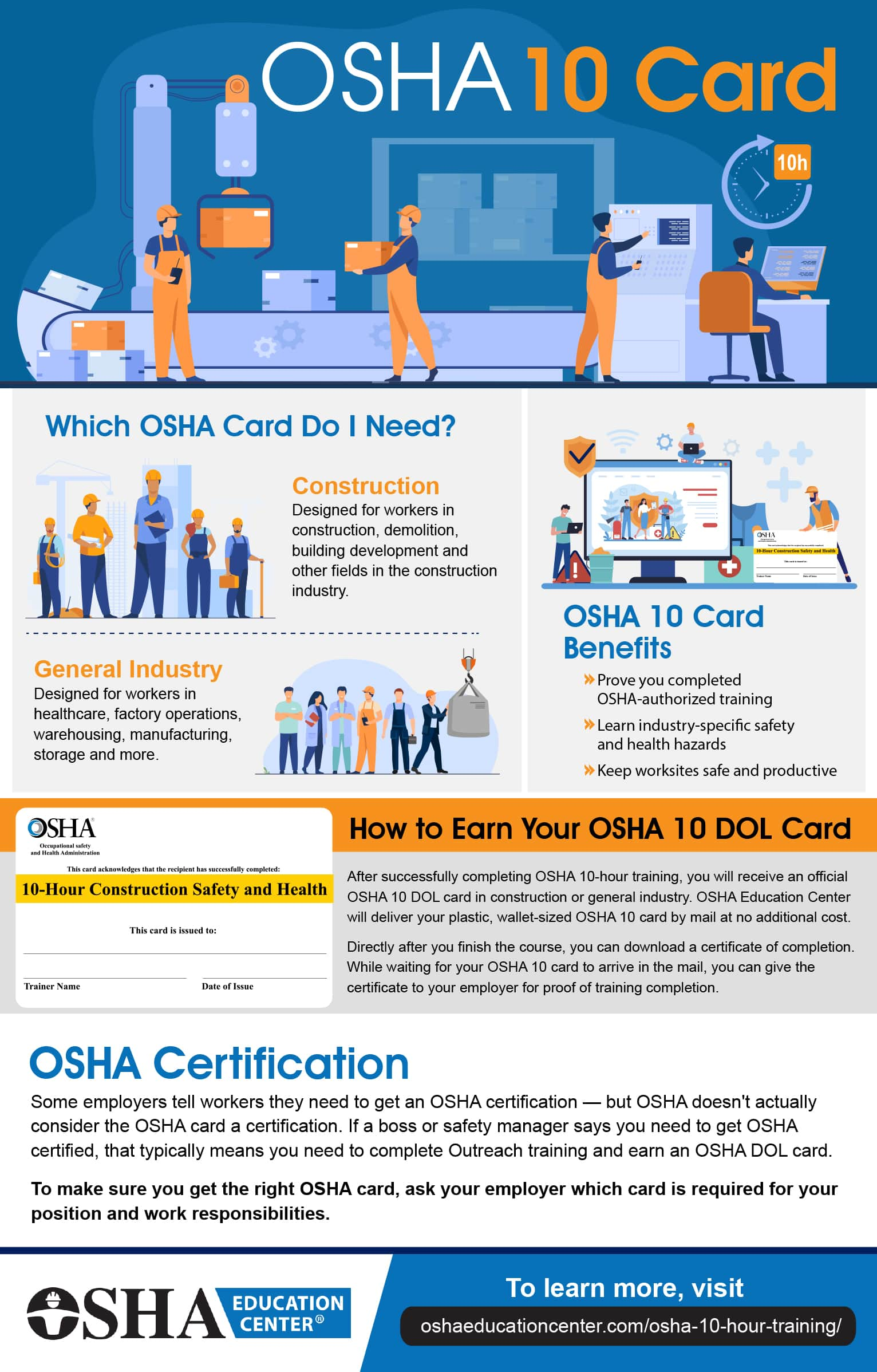
Source : oshaeducationcenter.com
Interactive Learning Modules
Don’t picture a boring slideshow. Good online courses are interactive. They include videos, quizzes after each module, downloadable study materials, and sometimes even simulated hazard identification exercises. The goal is engagement, not just passive listening. Expect a variety of content formats to keep your brain switched on.
Self-Paced Learning
This is the beauty of online. You can usually log in and out as needed. Work on it for an hour, take a break, then come back. You don’t have to cram all 10 hours into two consecutive days. This flexibility is a massive advantage for people juggling work, family, or other commitments. Just remember, the clock is ticking on your ability to access the course and finish it within the provider’s timeframe.
The Final Assessment
Most courses culminate in a final exam. This isn’t a trick test; it covers the material presented. You’ll typically need to pass with a certain score (often 70% or higher) to earn your completion certificate. If you fail, you can usually retake it after a review period. Don’t sweat it; the questions are fair if you paid attention.
Receiving Your Official Card
Once you pass the final exam, the authorized provider will issue your official OSHA 10-Hour card. This is usually a physical card, often called a “DOL card” (Department of Labor card). Some providers might offer a downloadable PDF version immediately, with the physical card mailed shortly after. Check the provider’s policy on this. Delivery times can vary, so factor that in if you have a hard deadline.
Demystifying the “Card” and Its Validity
It’s Proof of Training, Not a License
This is a Key distinction. Your OSHA 10 card signifies that you’ve completed the required 10-hour Outreach Training Program. It’s not a license to perform specific tasks or a certification of expertise. It’s a baseline indicator of safety awareness. Think of it as a prerequisite, not a qualification in itself.
Expiration and Renewal
This trips people up. OSHA 10-Hour cards, whether for construction or general industry, do not technically expire according to OSHA. However, many employers and some state or local regulations might require refresher training every 3-5 years. It’s always best to check with your employer or the relevant governing bodies. Keeping your knowledge fresh is always a good idea anyway.
What Makes a Card “Official”?
An official card comes directly from an OSHA-authorized Outreach Training Program provider. It will have the provider’s name, the OSHA logo (or similar indication of authorization), your name, the type of training (Construction or General Industry), and the date of completion. It will typically be printed on durable card stock. If it looks like a cheap printout from a home printer, it’s probably not legit.
Digital vs. Physical Cards
While the traditional card is physical, some authorized providers now offer digital credentials or temporary PDFs immediately after course completion. The physical card usually follows by mail. Most employers will accept a legitimate digital copy or temporary certificate, especially if it clearly comes from an authorized provider. Always confirm with your employer what they accept.
Cost, Time Commitment, and Choosing Wisely
The Price Tag: What’s Reasonable?
You’ll see prices ranging from $20 to $100 or more. Generally, prices under $50 might indicate a less Strong course or potentially a less reputable provider (though not always). Prices around $70-$99 are common for legitimate, fully authorized courses with good support. Remember, the cheapest option might cost you more in the long run if the card isn’t accepted.
Source : iehsacademy.com
Time Invested: It’s 10 Hours, Minimum
The training itself is mandated at 10 hours. This includes instruction time and breaks. Online courses allow you to break this up, but don’t expect to speed-run it in two hours. The platform will track your progress. The actual time spent studying and taking quizzes might push it slightly over 10 hours, realistically. Factor in about 10-12 hours total.
Key Factors for Provider Selection
Beyond just being on the authorized list, consider these:
- Customer Support: Do they offer phone or email support if you get stuck?
- User Interface: Is the online platform easy to navigate?
- Reviews: What are other users saying about their experience?
- Card Delivery Time: How quickly will you receive your official card?
A good provider makes the process smooth and provides value beyond just the certificate.
Don’t Forget the “Convenience Fee” Mentality
You’re paying for the convenience of online learning. You’re saving travel time, potentially hotel costs, and the need to take time off work for consecutive days. Frame the cost in terms of the value you’re getting. It’s an investment in your career and safety.
A Quick Look at Providers and Their Offerings
Let’s compare a few hypothetical (or real, based on common offerings) scenarios to illustrate the differences. Remember, always verify authorization!
| Provider Type | Typical Cost | Course Format | Card Issuance | Pros | Cons |
|---|---|---|---|---|---|
| Direct OSHA-Authorized Provider (e.g., CareerSafe) | $70 – $99 | Online, Self-paced, Interactive | Physical Card Mailed (PDF often available) | Guaranteed legitimacy, often good support, Full curriculum. | Can be slightly more expensive than unauthorized options. |
| University Extension / Safety Council | $80 – $120 | Online or Blended, Scheduled Sessions Possible | Often institutional certificate, official card from provider. | Strong reputation, potentially more in-depth supplemental materials. | May be less flexible on timing, higher cost. |
| “OSHA Training” Site (Verify Authorization!) | $25 – $60 | Varies wildly, can be basic | Highly variable, sometimes just a printable certificate | Low cost, quick completion possible (if legit). | HIGH RISK of being unauthorized, fake card, or poor quality training. Requires careful vetting. |
The Bottom Line on Cost and Time
Don’t get cheap on me here. Investing a bit more ensures you get a card that’s actually recognized. The time commitment is fixed at 10 hours of training content, but the flexibility of online means you control when you do it. Plan your time, choose wisely, and get it done right.
Tips for a Smooth Online Training Experience
Dedicated Study Time and Space
Even though it’s self-paced, treat it like a real class. Find a quiet spot where you won’t be interrupted. Dedicate specific blocks of time – maybe an hour each evening or a few hours on a weekend morning. Minimize distractions like your phone or social media. Focus is your friend here.
Take Notes!
Seriously, don’t just click through. The material is important. Jot down key safety points, hazard types, and regulations. This will not only help you during the final exam but also reinforce the learning for real-world application on the job. Your future self will thank you.
Engage with the Material
Answer the quiz questions thoughtfully. If you don’t understand a concept, re-watch the video or review the text. Many platforms allow you to revisit modules. The more you actively engage, the better you’ll retain the critical safety information. Don’t just aim to pass the test; aim to learn.
Watch: How to Get Your OSHA 10 Certification Online Fast & Easy
Know Your Provider’s Support Options
Before you start, locate the contact information for the training provider. If you run into technical glitches or have questions about the course content, you’ll want to know how to reach them quickly. Good support can save you a lot of frustration.
Getting That OSHA 10 Hour Certification Online: Your Action Plan
Step 1: Identify Your Industry
Construction or General Industry? This is the absolute first decision you need to make. It dictates the specific course you’ll enroll in. Get this wrong, and your training might be useless.
Step 2: Find an Authorized Provider
Go to the official OSHA website (or use a trusted resource that links directly to it) and find an OSHA-authorized Outreach Training Program provider that offers the specific course you need. Cross-reference any other site you find with this official list.
Step 3: Compare Providers (Briefly)
Look at price, user reviews, and how quickly they issue the official card. Don’t overthink it; pick a reputable one from the authorized list.
Step 4: Enroll and Complete the Course
Register, pay the fee, and dedicate the necessary time to complete the 10 hours of training. Engage with the material, take notes, and pass the quizzes and final exam.
Step 5: Receive and Keep Your Card Safe
Once you pass, you’ll get your official OSHA 10-Hour card. Store it securely. You might want a digital copy too, just in case. Congratulations, you’ve leveled up your safety credentials!
Frequently Asked Questions
Can I get my OSHA 10 certification online?
Yeah, absolutely! Lots of places offer OSHA 10 hour training online. It’s super convenient because you can do it from your couch, during lunch breaks, whenever works for you. Just make sure the provider is authorized by OSHA, though!
How long does it take to become OSHA 10 certified?
Because the course is 10 hours long, it typically takes about 10 hours of your time. But, you can usually spread that out over a few days or weeks, depending on the online platform. Some people bang it out in a couple of days, others take a bit longer. You get to set your own pace for the most part.
How much does it cost to take an OSHA 10 course?
It really varies, but you’re looking at anywhere from $20 to $100, give or take. Cheaper options might be available, but always check if they’re legitimate and offer the correct online OSHA 10 certification. Sometimes you get what you pay for, you know?
How fast can I get my OSHA 10 card?
Once you finish the course and pass the test, most online providers will let you download a Certificate of Completion right away. Your official OSHA 10 card usually shows up in the mail within a few weeks after that. So, you can prove you’re trained pretty quickly!
What industries require OSHA 10 certification?
Lots of industries, man. Mostly construction and general industry, though. If you’re working in fields where there’s a higher risk of workplace hazards, like manufacturing, warehousing, or any job site with potential dangers, your employer might require you to have your OSHA 10 training. It’s all about safety!
0 Response to "How To Get Osha 10 Hour Certification Online"
Post a Comment