How Much Does The Cfp Exam And Certification Cost
How Much Does The Cfp Exam And Certification Cost? Let’s Break It Down.
So, you’re thinking about tackling the CFP® exam and going for that coveted certification. Awesome move! But before you dive headfirst into studying, let’s get real about the money side of things. It’s not just a single price tag slapped on the whole deal; oh no, it’s a bit more involved than that. We’re talking about a financial commitment that stacks up, and you gotta know what you’re getting into. Forget those vague estimates you’ve seen floating around. This is the nitty-gritty, the real scoop on how much the CFP exam and certification will actually set you back. Let’s get this straight: this isn’t pocket change we’re discussing here.
It’s easy to get lost in the weeds when you start looking at all the different components. Education, exam fees, application costs, ongoing dues… it’s a lot. But understanding each piece is Key for budgeting effectively. You don’t want to be blindsided halfway through the process. Think of it like planning a big trip; you wouldn’t just book the flight and hope for the best, right? You need to account for accommodation, food, activities, and that little souvenir you’ll inevitably want. The CFP certification journey is similar. It requires careful financial planning to Make sure you can see it through without unnecessary stress.
We’re going to dissect every single cost associated with becoming a Certified Financial Planner® professional. From the initial educational requirements (which can vary wildly!) to the exam registration itself, and then the ongoing fees to keep those shiny marks. By the end of this, you’ll have a crystal-clear picture, no guesswork involved. This is the kind of information you can actually use to make decisions, not just some fluff designed to fill space. Let’s peel back the layers and see exactly where your hard-earned cash is going.
The Big Kahuna: Understanding the Core CFP Exam Fee
Source : 300hours.com
The Standard Registration Ticket
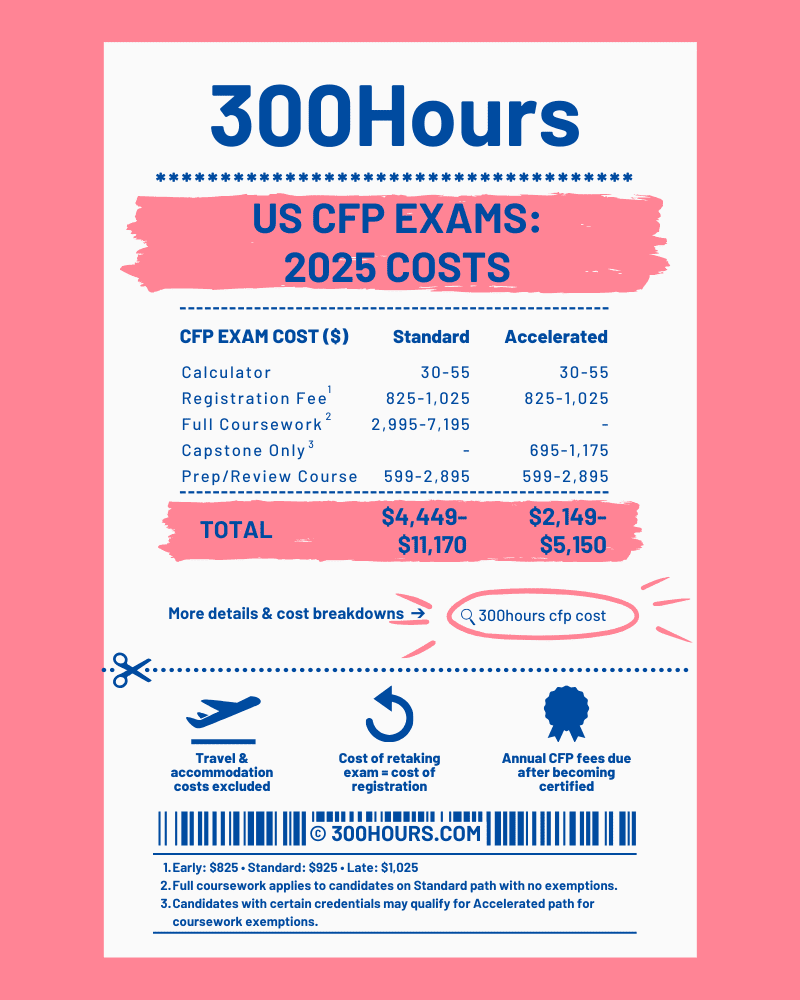
Alright, let’s talk about the elephant in the room: the actual CFP exam registration fee. This is the fee you pay directly to the CFP Board to get your shot at sitting for the exam. It’s a significant chunk of the overall cost, and it’s non-negotiable once you decide to register. The CFP Board sets these fees, and they can be adjusted periodically, so it’s always smart to check their official site for the most current pricing. Think of this fee as your entry ticket to the final challenge after you’ve completed all the prerequisites.
For the upcoming exam cycles, you’ll typically see this fee hovering around a specific mark. It’s not cheap, by any means. This payment covers the administration of the exam itself, the proctoring services, the scoring, and the general infrastructure needed to manage such a large-scale professional assessment. The CFP Board uses this fee to maintain the integrity and quality of the examination process, ensuring it remains a rigorous standard for financial planning professionals.
It’s Key to understand that this fee is usually required at the time of registration. Missing the deadline means you might have to wait for the next exam window, and potentially pay a higher fee if they increase it. Procrastination here can definitely cost you more, both in time and money. Seriously, mark those dates on your calendar!
When Does That Payment Hit Your Bank Account?
The timing of this payment is critical. You can’t just decide you want to take the exam next week and pay then. There are specific registration windows. The CFP Board has a detailed schedule outlining when you can register for upcoming exams. It’s Important to consult the official CFP Board website for the most up-to-date information on these dates. You can find this often under sections like “Upcoming Exam Dates & Registration Process.
Typically, you’ll need to register and pay several months in advance of the actual exam date. For example, if you’re aiming for a July exam, the registration period might have closed back in March or April. This advanced registration allows the CFP Board to finalize test center logistics and Make sure enough testing capacity for all candidates. Missing this window means a significant delay, potentially pushing your certification timeline back by six months or more. It’s a strict system designed to manage demand effectively.
This structured registration process also helps candidates mentally prepare. Knowing your exam date is locked in provides a concrete target to work towards. It’s a powerful motivator! But again, the financial commitment comes before you get that confirmation email. Make sure the funds are available when registration opens, or you’ll be left waiting.
What Exactly Does That Fee Cover? The Nitty-Gritty.
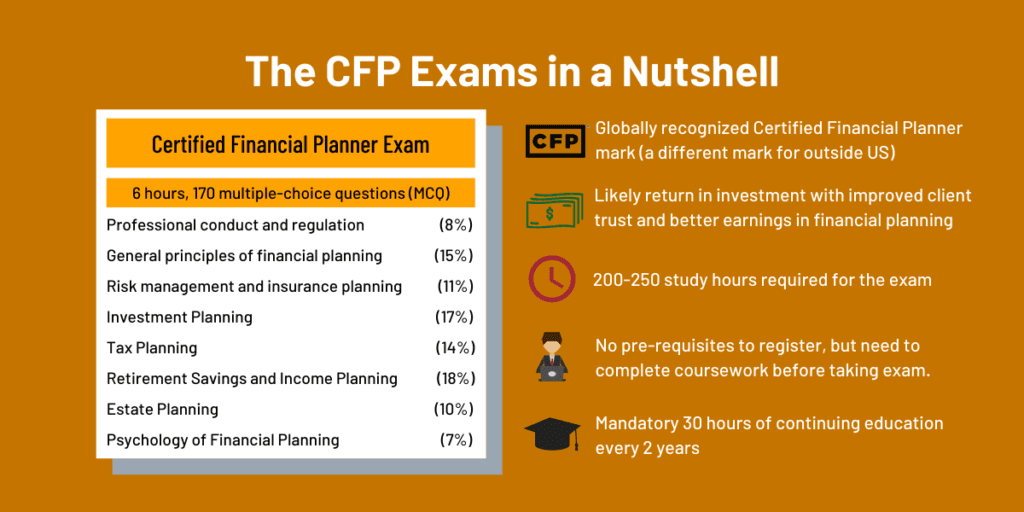
Let’s be clear: that registration fee isn’t just a random number. It’s a Large investment that covers the entire infrastructure of the CFP exam. This includes the development and maintenance of the exam questions themselves. Think about how complex financial planning is; creating valid, reliable questions that accurately assess competency across a wide range of topics takes serious expertise and ongoing effort. The CFP Board invests heavily in psychometricians and subject matter experts to Make sure the exam is fair and relevant.
Beyond question development, the fee covers the technology and logistics of administering the exam. This means paying for the testing centers (like Prometric sites), the secure exam software, the proctors who supervise you during the test, and the secure processing of your results. It’s a massive operational undertaking involving thousands of candidates across numerous locations. Everything from the computer you use to the security protocols in place is funded by these fees. It’s a significant operational cost to Make sure the integrity of the CFP certification.
Source : finance.uworld.com
A portion of the fee contributes to the ongoing research and validation studies the CFP Board conducts. These studies Make sure the exam content remains aligned with the evolving financial planning profession and the needs of the public. It’s not a static test; it’s a Active assessment designed to reflect current best practices. So, while the fee is high, it’s paying for a Strong, secure, and professionally developed certification exam.
The Educational Detour: Coursework and Requirement Costs
The Standard Education Path: A Full Program
Okay, this is where things can get really pricey, and the costs can vary dramatically. Before you can even think about registering for the exam, you absolutely have to complete an approved CFP Board education requirement. For many, this means enrolling in a Full CFP Board-registered education program. These aren’t your standard college courses; they are specifically designed to cover the extensive body of knowledge required for financial planning.
These programs can be offered in various formats: university-based courses, online platforms, or even live seminars. And the cost? Brace yourself. A full educational program, covering all the necessary topics from foundational principles to advanced planning strategies, can easily run anywhere from $3,000 to upwards of $8,000 or even more. It really depends on the institution, the program structure (online vs. in-person), and the included materials. This is often the single largest expense in the entire CFP journey.
Some programs are structured as degree programs (like a certificate or even a Master’s degree in financial planning), while others are standalone course series. Always double-check that the program you’re considering is registered with the CFP Board. An unregistered course won’t count, no matter how good it is! Make sure you’re getting value for your money and fulfilling the official requirements. You can explore options on the CFP Board’s website to see which programs are recognized.
The “Capstone” Alternative: Focused and Faster?
Now, if you’ve already got a relevant degree or certain professional designations (like a CPA or an advanced law degree), you might qualify for a different educational route. Instead of the full, Full program, you might only need to complete a “capstone” course. This is essentially a course designed to synthesize all the knowledge and apply it in a case-study format, mimicking the application required on the exam.
The capstone course is generally much shorter and less intensive than the full program. Consequently, the cost is also significantly lower. You might find capstone courses ranging from $1,000 to $3,000. It’s a more streamlined option if you meet the prerequisites. This can be a huge cost saver if you qualify! It acknowledges your existing knowledge base without requiring you to retread ground you’ve already mastered.
However, don’t assume you automatically qualify. You’ll need to formally apply to the CFP Board and have your education and experience evaluated to see if you can use the capstone option. It’s always best to check the specific eligibility criteria on the CFP Board’s website. Don’t just guess; verify! This path can shave thousands off your total CFP certification cost.
Degree Waivers and Other Educational Pathways
Beyond the standard and capstone routes, there are a few other ways the CFP Board might waive the formal education requirement. For instance, if you hold a graduate degree in financial planning from a registered program, you might be exempt. Similarly, certain other advanced financial certifications, when combined with specific educational backgrounds, could potentially satisfy the requirement. This is all part of ensuring the CFP certification remains a top-tier credential, recognizing various paths to expertise.
These waivers aren’t automatic, mind you. You’ll need to submit transcripts and documentation for review by the CFP Board. They meticulously assess whether your existing qualifications cover the required competencies. It’s a rigorous process, but if you meet the criteria, it can save you a Large amount of money and time. Think about the cost of a full degree program; avoiding that is a massive financial win.
Always refer to the official CFP Board requirements for education. They detail precisely which degrees, designations, and coursework combinations are accepted for waivers or for the capstone option. Relying on hearsay or outdated information could lead you down the wrong path and cost you dearly. The CFP education requirement is a critical first hurdle, and understanding your specific pathway is key to managing costs.
The Optional, But Often Necessary: Exam Prep Materials
Why You Might Need (or Want) Prep Help
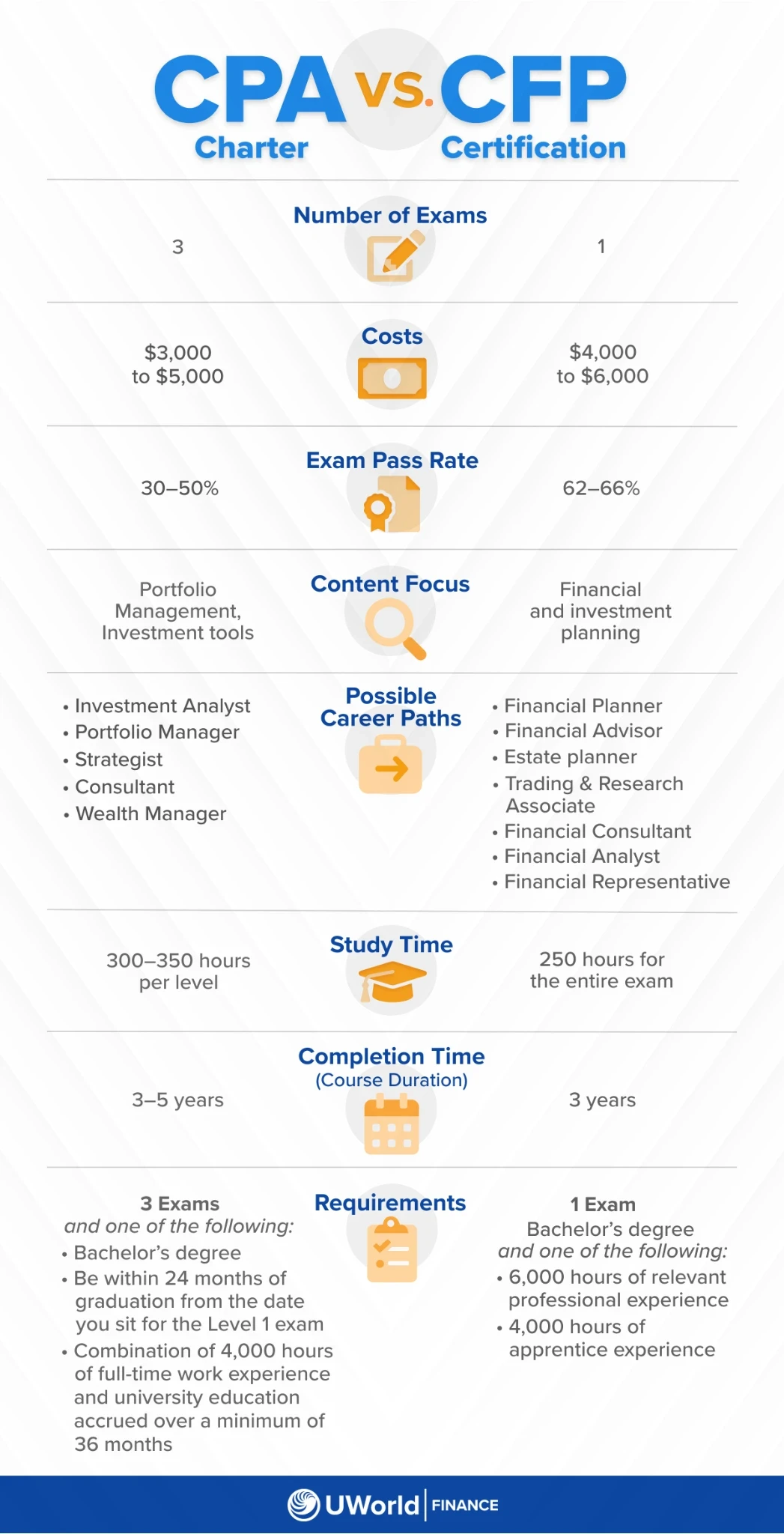
Let’s be honest, the CFP exam is no walk in the park. It’s notoriously difficult. The pass rates, while they fluctuate, often hover around the 50-60% mark. That means roughly half the people who sit for it don’t pass on their first try. Given the high cost of the exam itself and the educational requirements, failing is an expensive mistake. This is precisely why so many candidates invest in CFP exam prep courses.
These prep courses are designed to condense the vast amount of information you need to know into a more digestible format. They often provide structured study plans, practice questions, mock exams, and guidance on exam strategy. The goal is to maximize your chances of passing the first time, saving you the significant cost and delay of a retake. Think of it as insurance against a potentially costly failure. It’s an investment in your success.
The level of prep needed varies greatly from person to person. Some individuals might feel confident with self-study using just the official CFP Board materials. Others, particularly those who haven’t been in a formal academic setting for a while or who work in roles with limited direct exposure to all CFP topics, will benefit immensely from structured review. It’s about finding the right balance for your learning style and confidence level.
The Price Tag on Peace of Mind
So, how much does this “peace of mind” cost? Prep courses can range significantly. You’ve got options from self-study packages with practice exams, which might cost anywhere from $500 to $1,500. Then you have more Full, instructor-led courses, often delivered online or in-person over several weeks or months. These can easily set you back $2,000 to $4,000, sometimes even more for premium packages that include extensive tutoring or guarantees.
Some providers offer different tiers of service. You might have a basic package with just study outlines and question banks, or a premium package that includes live Q&A sessions, personalized feedback, and on-demand video lectures. It’s Needed to compare what’s included in each offering and decide what aligns with your needs and budget. Don’t just grab the cheapest option if it doesn’t offer the support you require, but also don’t overspend on features you won’t use. A site like 300hours.com often breaks down these prep options and their associated costs, which can be a helpful resource.
Remember to factor in the time commitment as well. These courses require dedication. The financial cost is only part of the equation; your time and effort are also significant investments. Choose a prep provider that fits your schedule and learning preferences. The cost of CFP exam prep is an investment, not just an expense.
Self-Study vs. Third-Party Courses: A Cost Comparison
The decision between self-study and a third-party prep course often comes down to budget versus structure. Self-studying, relying primarily on materials from the CFP Board and perhaps supplemented by textbooks or less Full online resources, will undoubtedly be the cheapest route. You might spend a few hundred dollars at most on Needed books or a basic question bank subscription. This is a viable option for highly disciplined individuals with a strong grasp of the subject matter already.
However, the risk is higher. Without the structured curriculum and expert guidance of a prep course, it’s easier to miss key concepts or study inefficiently. The potential cost of failing and needing to retake the exam ($665 as of recent CFP Board pricing, but always check for current rates) plus the delay in certification can far outweigh the savings from skipping a prep course. The value of passing the first time is immense.
Third-party courses, while more expensive, provide a roadmap. They structure your study time, highlight critical areas, and offer practice environments that simulate the real exam. For many, the added cost translates into increased confidence and a significantly higher probability of success. It’s a trade-off: lower upfront cost with higher risk versus higher upfront cost with reduced risk and a more guided experience. Consider your personal learning style and financial risk tolerance when making this choice.
Source : eventreg.purdue.edu
Application Fees and Ongoing Certification Costs
The Initial Application Fee: Getting Your Foot in the Door
Before you even get to the exam registration, there’s often an initial application fee you need to pay to the CFP Board. This fee covers the review of your education, experience, and background check to Make sure you meet the eligibility requirements. It’s the formal step of applying for candidacy for the CFP certification. This application fee is separate from the exam registration fee and is typically paid earlier in the process.
The amount for this application fee can vary, but it’s generally a few hundred dollars. It’s Needed to check the CFP Board’s website for the exact, current fee. This is a Key step; without a approved application, you cannot register for the exam. Think of it as the administrative gateway to your certification journey. Missing this step or not having the funds available when needed can delay your entire timeline significantly. The CFP application process involves these administrative costs.
This fee is often non-refundable, even if your application is ultimately denied. That’s another reason to be absolutely sure you meet all the preliminary requirements before submitting and paying. Read the guidelines carefully, gather all necessary documentation, and then proceed. It’s a serious commitment, and understanding all the associated fees upfront is key to managing your budget effectively.
Annual CFP Board Membership Dues
Once you’ve successfully passed the exam and met all other requirements, you’ll be granted CFP certification. Congratulations! But the journey doesn’t end there, financially speaking. To maintain your right to use the CFP® marks, you need to pay annual dues to the CFP Board. These dues are essentially a membership fee that keeps your certification active.
The amount for these annual dues can change, but they are typically in the range of a few hundred dollars per year. This fee covers the ongoing administration, oversight, and promotion of the CFP certification by the CFP Board. It also often includes access to resources, research, and ethical guidelines provided by the Board. It’s the cost of remaining a recognized CFP® professional in good standing.
Failure to pay these annual dues can result in the lapse or suspension of your certification. That would be a huge setback after all the hard work and money you’ve invested. So, make sure you budget for this recurring cost year after year. It’s a small price to pay to keep your prestigious designation active and respected in the industry. This is a key part of the ongoing cost of CFP certification.
Continuing Education (CE) Requirements
CFP professionals are required to complete a certain number of continuing education (CE) hours every reporting period to stay current with the industry and maintain their certification. While the CFP Board doesn’t directly charge for CE, you will incur costs associated with obtaining these credits. This could involve paying for courses, seminars, webinars, or industry conferences.
The cost for CE can add up over time. Depending on the type of course and the provider, you might spend anywhere from $50 to $500 or more per year on CE activities. Some employers may cover these costs, but if you’re self-employed or your employer doesn’t provide a stipend, this is an out-of-pocket expense you need to budget for. It’s Needed for staying knowledgeable and ethical in your practice.
There are many affordable and even free CE options available, especially through professional organizations or online platforms. However, some higher-value courses or specialized training might come with a premium price tag. Plan ahead and look for cost-effective ways to meet your CE requirements while gaining valuable knowledge. Staying current is part of the professional commitment, and the cost of continuing education is a factor in long-term certification.
Hidden Costs and Potential Extra Expenses
The Risk of Retaking the Exam
As we touched upon earlier, the CFP exam pass rates mean that a significant number of candidates don’t pass on their first attempt. If you find yourself in this situation, it’s not just a blow to your confidence; it’s a direct hit to your wallet. You’ll need to pay the full exam registration fee again to retake the exam. This is a Large cost, often several hundred dollars, essentially doubling your exam fee expense.
Beyond the fee itself, there’s the cost of additional study materials and prep courses you might need for a second attempt. You’ll also face a delay in achieving your certification, which can impact your career progression and earning potential. The cost of a CFP exam retake can be Large, making that initial preparation and passing on the first try incredibly important.
The CFP Board has rules about how many times you can attempt the exam within a certain period. You don’t want to get stuck in a cycle of retakes, burning through money and time. This emphasizes the importance of thorough preparation and using resources that maximize your chances of success from the outset. Taking the exam is a big financial step, and failing makes it much bigger.
Travel and Accommodation Expenses
Unless you’re incredibly fortunate to live right next door to a testing center, you’ll likely incur travel costs to get to your exam appointment. Depending on where you’re located and where the nearest Prometric testing center is, this could involve driving expenses (gas, parking), public transportation fares, or even flights and hotel stays if the center is far away.
These costs can add up quickly, especially if you need to travel to another city or state. You might need to book a hotel for the night before the exam to avoid a stressful, rushed morning. Factor in meals as well. For some, this could easily add several hundred dollars to the overall cost of certification. It’s a practical expense that many candidates overlook in their initial budgeting.
The CFP Board offers a list of testing center locations, so you can research options near you. Sometimes, choosing a slightly less convenient but closer location might save you money on travel and accommodation. Plan this part of the logistics well in advance to secure better rates on travel and lodging. The travel costs for the CFP exam are often underestimated.
Rescheduling Fees: When Life Happens
Life is unpredictable. Sometimes, despite your best planning, you might need to reschedule your exam appointment. The CFP Board and their testing partner, Prometric, have policies in place for rescheduling. While there might be a window where you can reschedule for free or a minimal fee, attempting to change your appointment too close to the exam date, or missing it entirely, can result in forfeiture of your exam fee or incur significant rescheduling charges.
These fees can be steep, effectively penalizing you for not adhering to the strict scheduling deadlines. It’s Key to understand Prometric’s rescheduling policy thoroughly before you book your appointment. Know the cut-off dates and any associated costs. Missing your exam without a valid, documented reason (like a documented medical emergency) often means you simply lose the registration fee and have to re-register and pay for a new exam attempt.
The best approach is to register for an exam date when you are reasonably confident you can make it. Avoid registering for a date that’s extremely close to other major life events if possible. If unforeseen circumstances arise, contact Prometric immediately to understand your options, but be prepared for potential financial penalties. The cost of rescheduling the CFP exam is usually tied to strict deadlines.
A Deep Dive into Specific Cost Components (Data Table & Lists)
CFP Certification Cost Breakdown Table
To give you a clearer picture, here’s a comparative breakdown of the potential costs involved in obtaining CFP certification. Remember, these are estimates and can vary significantly based on your chosen education path, location, and prep provider.
| Cost Component | Estimated Low End | Estimated High End | Notes |
|---|---|---|---|
| CFP Education Program (Full Coursework) | $3,000 | $8,000+ | Varies widely by institution and format. This is often the biggest cost. |
| CFP Education Program (Capstone Only) | $1,000 | $3,000 | For those who qualify based on prior education/designations. |
| CFP Exam Application Fee | $100 | $250 | Charged by CFP Board for application review. Non-refundable. |
| CFP Exam Registration Fee | $665 (check CFP Board for current) | $665 (check CFP Board for current) | Paid to CFP Board to sit for the exam. Non-refundable. |
| Third-Party Exam Prep Course | $500 | $4,000 | Optional, but highly recommended by many candidates. |
| Travel & Accommodation (if needed) | $100 | $1,000+ | Depends heavily on testing center location. |
| Retake Exam Fee | $665 (check CFP Board for current) | $665 (check CFP Board for current) | Cost if you don’t pass on the first attempt. |
| Annual CFP Board Dues | $300 | $450 | Ongoing cost to maintain certification. |
| Continuing Education (CE) | $200/year | $1,000+/year | Ongoing cost for required professional development. |
| Total Estimated Initial Cost (Min) | ~$5,000 – $6,000 | Assumes Capstone education & minimal prep/travel. | |
| Total Estimated Initial Cost (Max) | ~$15,000 – $20,000+ | Assumes Full education, premium prep, and associated costs. | |
Source : 300hours.com
Key Cost Factors Summarized
When you’re trying to pin down the exact cost of CFP certification, several factors play the biggest roles:
- Your Education Path: This is the number one variable. The full CFP Board-registered program is significantly more expensive than qualifying for the capstone course alone.
- Exam Prep Choices: Opting for a top-tier, Full prep course will add considerably more cost than sticking to self-study or basic review materials.
- Retakes: Failing the exam is perhaps the most significant potential budget-buster, adding the full exam fee plus potentially more prep costs.
- Location: Travel and accommodation needs can inflate the cost if your nearest testing center requires significant travel.
- Provider Fees: Different educational institutions and prep course providers charge vastly different amounts for their services. Always shop around and compare.
Ways to Potentially Reduce Your CFP Costs
While the costs can seem daunting, there are strategies to Reduce them. Smart planning can make a big difference:
- Seek Scholarships and Financial Aid: Some universities or organizations offer scholarships specifically for individuals pursuing CFP certification. Don’t shy away from exploring these options.
- Employer Reimbursement: If you’re employed, check if your company offers tuition reimbursement or professional development stipends for CFP certification. Many firms support their employees in obtaining this credential.
- Choose the Capstone Route if Eligible: If your existing education or designations allow you to bypass the full program and only take the capstone, this is a massive cost saver. Verify your eligibility early.
- Use Free Resources: Use free webinars, introductory materials, and study groups. While not a substitute for Full prep, these can supplement your learning without additional cost.
- Pass on the First Try: This sounds obvious, but it bears repeating. Invest wisely in your preparation to avoid the significant expense and delay of a retake. A solid prep course can pay for itself by preventing a second exam fee.
- Budget Annually for Dues and CE: While not part of the initial push, factor these ongoing costs into your long-term financial planning for your career.
The Real Investment: Value vs. Cost
Is the High Price Tag Worth It?
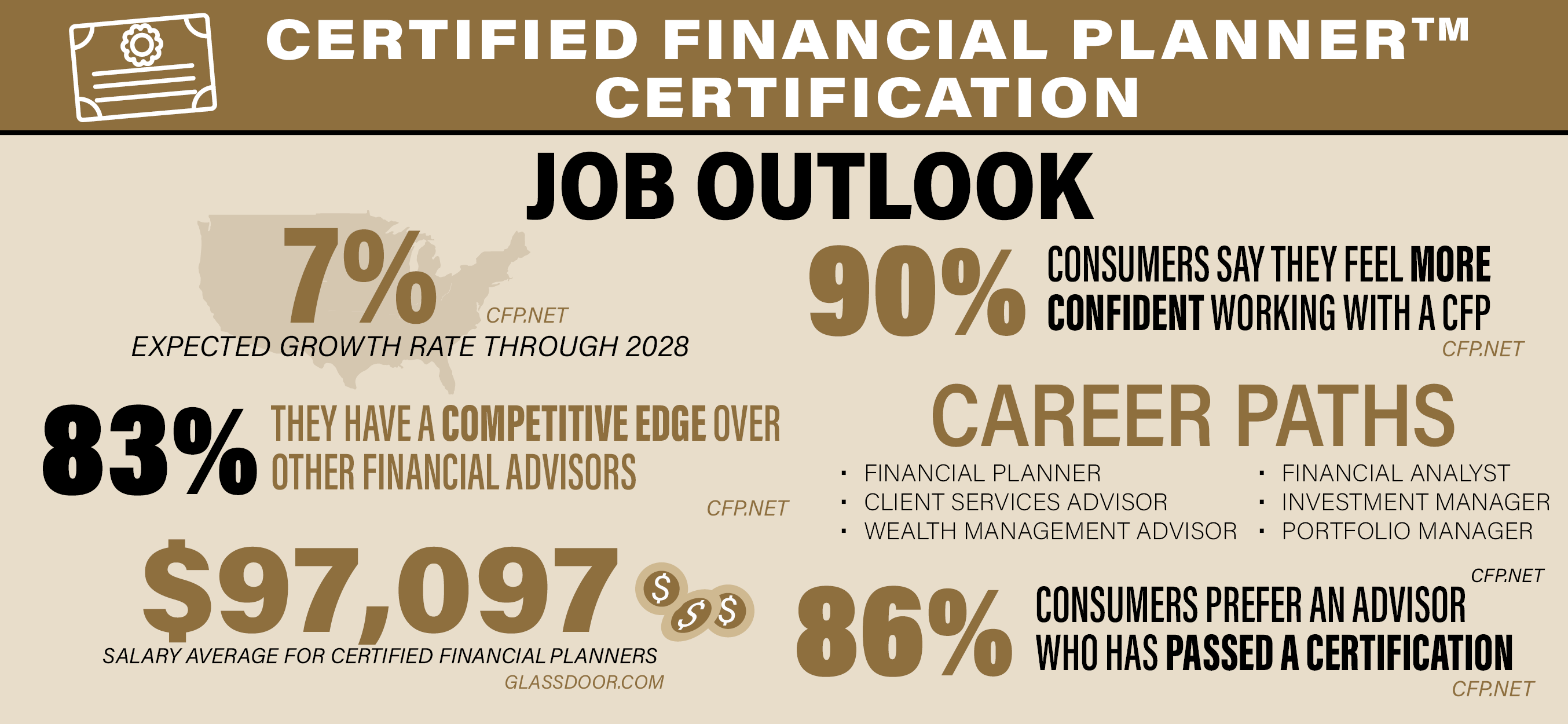
Okay, we’ve laid out all the potential costs, and yeah, it adds up. We’re talking thousands, potentially tens of thousands of dollars when you factor everything in. But here’s the flip side: the value of CFP certification is immense. This isn’t just about passing a tough exam; it’s about fundamentally enhancing your career prospects and earning potential.
Certified Financial Planner® professionals are highly respected in the industry. The designation signals a commitment to ethical conduct, Full knowledge, and a client-centric approach. This recognition often translates into higher salaries, better job opportunities, and the ability to attract and retain more clients. For many, the investment pays for itself many times over within a few years of achieving certification.
It: the average salary for a CFP professional is significantly higher than for non-certified financial advisors. You’re essentially investing in a future income stream. The skills and knowledge gained are Crucial, improving your ability to serve clients effectively and build a sustainable practice. It’s not just a piece of paper; it’s a career accelerator.
Long-Term Career Benefits
Beyond the immediate salary bump, CFP certification offers Large long-term career benefits. It opens doors to leadership roles, specialized financial planning positions, and even the possibility of starting your own advisory firm. The rigorous education and ethical standards required demonstrate a level of professionalism that employers and clients value highly.
The designation also provides a competitive edge in a crowded marketplace. When a client is choosing between advisors, the CFP® mark often stands out. It signifies a standardized level of competence and a fiduciary commitment. This can lead to greater client loyalty and referrals, which are critical for long-term success in the financial services industry. The career impact of CFP certification is undeniable.
The continuous learning required through CE keeps you at the forefront of industry trends and regulations. This ensures your skills remain relevant and valuable throughout your career. The CFP Board’s commitment to upholding the designation’s integrity means that holding the marks continues to be a mark of distinction.
Making the Financial Decision: Budgeting for Success
So, how do you make the financial decision? Start by honestly assessing your current financial situation and your career goals. Map out the potential costs based on the educational path you think you’ll take. Research specific program fees and compare prep providers. Look at the exam dates and registration deadlines well in advance. A resource like the 300hours.com/cfp-exam-cost/ can be a great starting point for consolidating this information.
Create a realistic budget. Account for the education, application, exam fees, and a buffer for potential prep courses or travel. If necessary, explore financing options, scholarships, or employer assistance programs. The key is to avoid going into the process unprepared financially. A well-thought-out budget will reduce stress and allow you to focus on what truly matters: learning the material and passing the exam.
The decision to pursue CFP certification is a significant financial and time commitment. However, for those serious about a career in financial planning, the long-term rewards—both financial and professional—often far outweigh the initial costs. It’s an investment in your future that can pay dividends for decades to come. The budget for CFP certification needs careful consideration.
Frequently Asked Questions
Is paying a CFP worth it?
Yeah, totally. Because the CFP certification is a big deal in the financial plaing world. It means you’ve passed a super tough exam and met experience requirements. So, clients tend to trust you more and are often willing to pay more for your advice. It definitely boosts your earning potential.
What are the main costs associated with the CFP exam?
But it’s not just the exam fee, you know? You’ve got the education requirements first, which can cost a few grand depending on where you study. Then there’s the actual exam application fee, the exam itself, and if you fail, you gotta pay to retake it. Plus, there’s the ongoing certification renewal fee to keep that fancy CFP mark.
Are there different fee structures for the CFP exam?
Yep, there can be. Sometimes, the education provider bundles the course and the exam application into one price. But usually, you’ll pay separately for the education, the application to sit for the exam, and then the exam itself. And don’t forget any late registration fees if you miss the initial deadline.
Can I get a refund if I don’t pass the CFP exam?
Generally, no. Because once you register and pay for the CFP exam, that money’s gone. It’s like buying a non-refundable ticket. If you don’t pass, you’ll have to shell out for the exam fee again to retake it. Best to be super prepared!
How much does the CFP certification cost aually after passing the exam?
After you finally pass and become a certified CFP, there’s an aual certification fee you gotta pay to keep your designation current. It’s usually a few hundred bucks a year. This covers maintaining the standards and ethical requirements of the CFP Board.
0 Response to "How Much Does The Cfp Exam And Certification Cost"
Post a Comment