How Long Is A Forklift Certification Good For Before Renewal
How Long Is A Forklift Certification Good For Before Renewal?
Alright, let’s cut to the chase. You’ve got your forklift certification, you’re feeling good, ready to move some serious product. But then the nagging question pops up: how long does this thing actually last? It’s not like a driver’s license where you get a nice, neat expiration date printed on it. This is where things get a little murkier, and frankly, a lot more important for keeping your operations running smooth and, more crucially, safe.
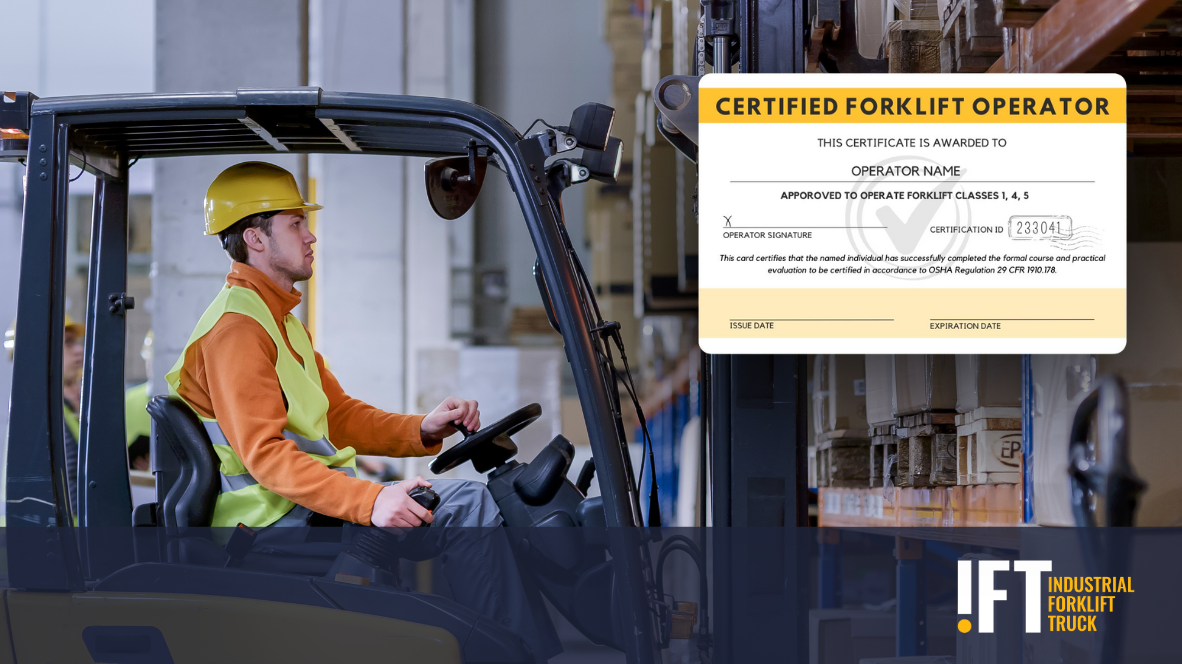
It: you wouldn’t drive a car with bald tires, right? Same principle applies here. A valid forklift certification isn’t just a piece of paper; it’s proof that your operators know their stuff. And “knowing their stuff” has a shelf life, whether OSHA likes it or not. So, how long is that certification good for, and what’s the deal with renewal?
The Elusive OSHA Standard: What the Regs Really Say
Source : certifyme.net
So, OSHA. They’re the big kahunas, the rule-makers. Everyone points to them, but digging into the actual OSHA standard (specifically 1910.178 for powered industrial trucks) is a bit of a rabbit hole. You won’t find a big, bold number saying “Certifications expire every X years.” It’s not that straightforward, and honestly, that drives some people nuts.
What OSHA mandates is training and evaluation. They require employers to Make sure that each powered industrial truck operator is competent to operate a powered industrial truck. Competent. That’s the keyword. This competence needs to be demonstrated.
Decoding “Competent Operator” Under OSHA
Being a “competent operator” isn’t just about passing a written test once. It means the operator can do the job safely and effectively, without posing a hazard to themselves or others. OSHA spells it out: they need to have completed their training and have the knowledge, training, and experience to operate a forklift safely.
This is Key because it puts the ball squarely in the employer’s court. It’s not enough to just get a certificate; you have to Make sure your team maintains that competence. And that’s where the renewal question really starts to bite.
Why OSHA Doesn’t Give a Specific Expiration Date
The reason OSHA avoids a hard expiration date is actually pretty smart, if a bit inconvenient for us. They want the focus to be on ongoing safety and competence, not just a ticking clock. If they said “three years,” some companies might just let people lapse and then scramble.
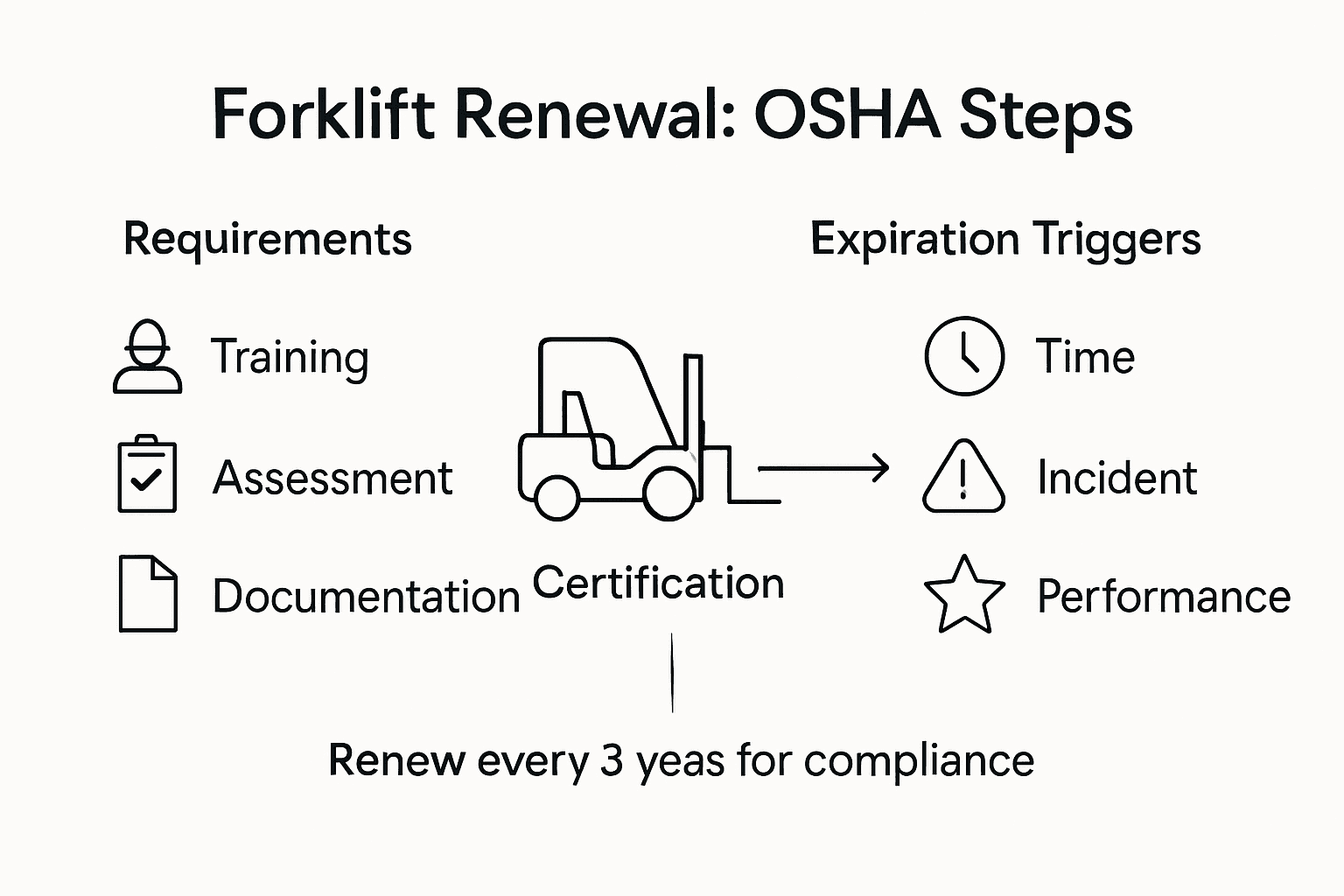
Instead, they require employers to evaluate operators periodically. This means you’re supposed to be paying attention to your staff’s skills. A sudden lapse in performance, an accident, or even just a long stretch without operating a particular type of forklift could trigger the need for retraining or re-evaluation, regardless of when the initial certification was issued.
The Employer’s Responsibility: It’s On You!
This is huge. The responsibility for ensuring operators are competent always lies with the employer. This includes providing initial training, evaluating performance, and providing refresher training or additional training when needed. So, that shiny certificate? It’s a starting point, not the finish line. You’ve got to actively manage your team’s skills.

Source : certifyme.net
Industry Best Practices: The Two-Year Rule of Thumb
Okay, so OSHA is fuzzy. But in the real world, people need concrete answers. This is where industry best practices come in, and the most common one you’ll hear is the two-year renewal cycle. It’s not a federal law, mind you, but it’s a widely adopted standard.
Why two years? It strikes a good balance. It’s frequent enough to keep skills sharp and safety top-of-mind, but not so frequent that it becomes an administrative nightmare. Many training providers and companies have just settled on this cadence.
Why the Two-Year Mark Makes Sense
It from a safety perspective. A lot can happen in two years. People get complacent. New hazards might emerge in the workplace. Forklift technology evolves. A consistent renewal period ensures that operators are periodically reminded of best practices, updated regulations, and potential dangers. It’s a proactive approach to preventing accidents.
This regular check-in also allows employers to identify any bad habits that may have crept in over time. We all know someone who cut corners – a two-year renewal forces a reset and a re-evaluation of safe operating procedures.
The Role of Training Providers in Setting Standards
Many reputable forklift training providers, like those offering services through Certifyme.net, recommend or even mandate renewals every two years. They understand the practicalities of safety management and the importance of keeping training current. Their business model often revolves around ensuring compliance and safety for their clients.
These providers often offer streamlined renewal courses designed to refresh knowledge without requiring a full initial training program. It’s efficient and ensures that employees are getting up-to-date information.
Beyond Two Years: When to Renew Sooner
Now, here’s the kicker: the two-year mark is a guideline, not a hard stop in every situation. There are several triggers that should prompt an immediate renewal or re-evaluation, regardless of your standard cycle.
Accidents are the most obvious. If an operator is involved in a mishap, even a minor one, it’s time for a safety review and likely retraining. Similarly, if an operator is observed operating a forklift unsafely, that’s a clear signal. Poor performance, supervisory reports, or changes in the workplace environment can also necessitate earlier renewal.
Understanding Different Forklift Types and Their Certifications
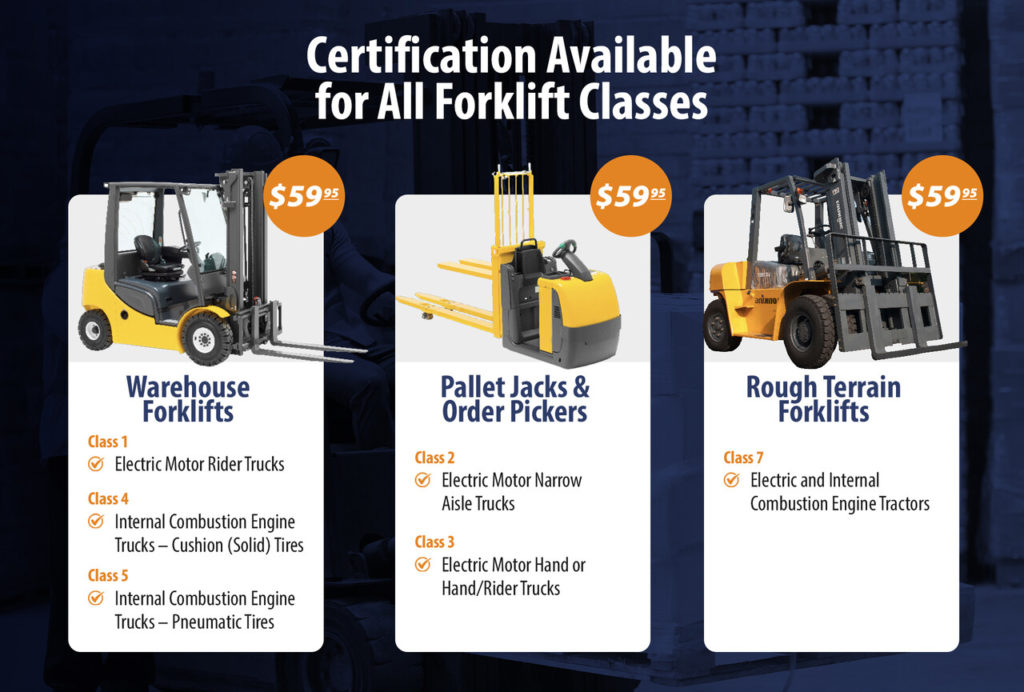
It’s not a one-size-fits-all world when it comes to forklifts. You’ve got your standard sit-down counterbalanced trucks, but then you get into stuff like reach trucks, order pickers, pallet jacks, and even specialized equipment. Each might have slightly different operational nuances that affect how long a certification feels “fresh.
A certification might cover a broad range of “powered industrial trucks,” but hands-on proficiency can vary wildly. Operating a narrow-aisle electric reach truck is a world away from a rough-terrain diesel beast. Employers need to consider if the initial training adequately covered the specific types of equipment an operator will use.
Does Certification Vary by Forklift Class?
OSHA categorizes forklifts into different classes (Class I through Class VII). While a general operator certification might cover multiple classes, true competence often requires specific training and evaluation for each class an operator will handle. A certificate saying you can drive a Class I electric forklift doesn’t automatically mean you’re ready for a Class V cushion-tire propane forklift.
This is where many training programs differentiate. They offer specialized modules or separate certifications for different classes. When considering renewal, Make sure the training covers the specific equipment your operators use day in and day out.
The Importance of Site-Specific Training
Beyond the type of forklift, the actual work environment plays a massive role. Is it a clean, well-lit warehouse? Or a busy construction site with uneven terrain and tight corners? Site-specific hazards and operating conditions are critical.
Many argue that the “certification” itself is less important than Full site-specific training and evaluation. This training addresses the unique challenges and risks present in your facility. While OSHA requires it, the frequency and effectiveness of this site-specific component can impact how long an operator’s general certification remains truly valid in practice.
When Specialized Equipment Requires Focused Renewal
If your operation relies heavily on specialized equipment—think aerial work platforms that aren’t technically forklifts but are often grouped in, or very specific types of warehouse equipment—your renewal strategy might need to be more specialized too. Don’t just renew the “general forklift” ticket if the operator primarily uses a turret truck.
Source : certifyme.net
The renewal process should ideally incorporate a review of skills relevant to the specific machinery being operated. This ensures that the operator’s knowledge stays current not just on general forklift safety, but on the particular demands of the equipment they handle daily.
Factors Influencing Certification Validity Beyond Time
So, we’ve talked about the standard two-year cycle and OSHA’s fuzzy approach. But the lifespan of your forklift certification isn’t just a calendar issue. Several other factors can deem a certification practically useless, or even dangerous, long before its supposed expiration.
Think of it like this: you might have a current passport, but if you’ve lost your glasses and can’t read the airport signs, that passport isn’t getting you anywhere useful. Similarly, a forklift operator’s skills and knowledge need to be actively maintained.
Accidents and Near Misses
This is a big one. If an operator is involved in an accident, even a minor fender-bender, their certification should be immediately suspect. It’s a clear signal that something went wrong, and safety protocols may have been violated or forgotten. A thorough review and potential retraining is Needed.
Near misses are just as important. If an operator almost caused an accident, that’s a flashing red light. It indicates a lapse in judgment or skill that needs immediate attention. Relying on the existing certification after such an event is irresponsible.
Changes in Work Environment or Duties
Has your warehouse layout changed? Are you now operating in colder conditions? Have new safety regulations been implemented? Or has the operator’s role shifted to include different types of machinery or responsibilities?
These changes can introduce new risks and require updated knowledge. A certification obtained under old conditions might not adequately cover the current operational reality. Refresher training tailored to these changes is often necessary.
Operator Performance and Supervisory Observation
Complacency is the enemy of safety. If supervisors notice an operator developing bad habits, cutting corners, or showing a general lack of attention to safety procedures, the certification’s validity is questionable. Regular performance evaluations are key.
This ties back to the “competent operator” standard. Competence isn’t static. It requires ongoing vigilance. Don’t wait for an incident; address performance issues proactively. A skill refresh might be all that’s needed.
The Legal and Financial Ramifications of Expired Certifications
Let’s be blunt: letting forklift certifications lapse isn’t just a minor oversight. It opens your business up to some serious trouble. We’re talking legal headaches, hefty fines, and potentially crippling financial costs that could have been easily avoided.
Ignoring renewal requirements isn’t just bad practice; it’s a direct violation of safety regulations. And trust me, regulatory bodies like OSHA don’t mess around when it comes to workplace safety.
OSHA Fines and Penalties
If OSHA inspects your facility and finds operators working with outdated or invalid certifications, you can expect a significant fine. These penalties can range from hundreds to thousands of dollars per violation. Multiply that by the number of uncertified operators, and you’re looking at a massive bill.
Beyond the immediate fines, repeat violations or particularly egregious disregard for safety can lead to more severe enforcement actions, including mandatory safety audits or even shutdowns. It’s a risk that simply isn’t worth taking for the sake of avoiding certification costs.
Increased Risk of Workplace Accidents
This is the most tragic consequence. An expired or lapsed certification often means an operator’s skills are rusty, their knowledge of safety protocols is outdated, or they simply aren’t as vigilant as they should be. This dramatically increases the likelihood of a forklift-related accident.
Accidents can lead to severe injuries or fatalities, devastating for the individuals involved and their families. They also result in significant costs for the business: medical expenses, workers’ compensation claims, equipment damage, lost productivity, and potential legal action. Prioritizing proper certification is Top.
Source : industrialforklifttruck.org
Insurance Premium Hikes and Denied Claims
Your insurance company takes a dim view of businesses that don’t adhere to safety standards. Operating with uncertified forklift drivers is a major red flag. This can lead to substantially increased insurance premiums.
Worse still, in the event of an accident involving an uncertified operator, your insurer might deny the claim altogether. This means your business would be solely responsible for all the associated costs – a potentially bankrupting scenario. Keeping your team certified protects your financial stability.
Making Forklift Certification Renewal a Smooth Process
Okay, so the importance of renewal is clear. But how do you actually make it happen without turning your training program into a chaotic mess? It requires a bit of planning and the right approach. Don’t let this become a reactive, fire-fighting situation.
The key is to integrate renewal into your regular operational planning. Treat it like any other Needed business process, not an afterthought. This makes it manageable and ensures consistent compliance.
Implementing a Strong Tracking System
The absolute first step is knowing when certifications are due to expire. You can’t renew what you don’t track! This means having a reliable system in place. This could be a simple spreadsheet, a dedicated HR software module, or a specialized training management system.
Whatever system you use, it needs to accurately record issue dates, expiration dates, and the types of certifications held by each operator. Set up automated reminders for yourself and your team well in advance of expiration dates. Proactive tracking is key to compliance.
Choosing the Right Training and Renewal Options
Not all renewal training is created equal. You need to decide if a refresher course is sufficient or if a more Full re-evaluation is needed. Consider online options, on-site training, or a blended approach. Providers like Forklift Safety Training Florida often offer flexible solutions.
Look for training that covers not just basic operation but also any updates in regulations, common accident scenarios, and perhaps even site-specific considerations. The goal is to Make sure the operator is truly refreshed and competent, not just ticking a box.
Scheduling and Logistics for Minimal Downtime
Minimize operational disruption by scheduling renewals strategically. Train operators in small groups or stagger their renewal dates. Can some training be done during slower periods? Can online modules be completed flexibly?
Coordinate with your operations managers to Make sure adequate staffing levels while operators are undergoing training. The goal is to maintain productivity while ensuring safety compliance. Planning ahead prevents last-minute scrambles and costly delays.
Comparing Certification Durations: A Quick Snapshot
To help visualize, here’s a breakdown of how different entities and common practices approach forklift certification duration. Remember, OSHA sets the minimum standard (competence), while others offer more defined timelines.
| Entity/Practice | Typical Duration Guideline | Key Focus | Notes |
|---|---|---|---|
| OSHA | No specific expiration date; requires ongoing competence evaluation. | Operator competence, safety, employer responsibility. | Employer must re-evaluate periodically and retrain as needed. |
| Industry Best Practice / Common Standard | 2 Years | Regular refreshers, maintaining skills, proactive safety. | Widely adopted by employers and training providers. |
| Specialized Equipment Training | Varies (often 1-3 years, depending on complexity/risk) | Proficiency on specific machinery, advanced safety. | May require separate renewal from general forklift cert. |
| Site-Specific Training | Ongoing / As needed | Awareness of facility hazards, operational procedures. | Not a formal “certification” but critical for ongoing safety. |
| Following Accident/Incident | Immediate Re-evaluation / Retraining | Addressing specific failures, preventing recurrence. | Regardless of original certification date. |
The Detail Between “Certification” and “Competence”
It’s Key to grasp the difference. A certification card might have a date, or you might operate under a two-year renewal policy. But true competence is Active. It’s about the operator’s ability today, not just their qualification from two years ago.
Think of it as car insurance. You have a policy renewal date, but if you drive recklessly between renewals, the policy doesn’t magically make you a safe driver. Similarly, an operator needs to consistently demonstrate safe practices. The renewal date is just a checkpoint.
Why Waiting Until the Last Minute is a Bad Idea
Relying on the final days before a certification expires is asking for trouble. What if the training provider is booked solid? What if an operator gets sick? What if an incident occurs just as the certification lapsest? It creates unnecessary risk and potential compliance gaps.
Source : forkliftacademy.com
Establish a policy that begins the renewal process well in advance of the expiration date – say, 60 to 90 days out. This buffer allows for scheduling, unforeseen issues, and ensures continuous compliance without operational headaches.
Investing in Continuous Safety Training
Viewing forklift certification renewal solely as a compliance chore misses the bigger picture. It’s an investment in your workforce and your business. Regular, quality training reinforces safe habits, reduces accident risks, and can even improve operational efficiency.
Companies that prioritize ongoing safety education often see fewer incidents, lower insurance costs, and a more positive, safety-conscious work culture. It’s not just about the renewal date; it’s about building a culture of safety from the ground up.
Conclusion: How Long is That Forklift Certificate Really Good For?
So, to wrap this up: there’s no single, universally mandated expiration date stamped by OSHA. They care about competence, and that’s ongoing. However, the widely accepted industry standard, and a smart bet for most businesses, is to treat forklift certifications as valid for approximately two years before requiring renewal or at least a thorough re-evaluation.
But remember, this two-year rule is a baseline. Critical events like accidents, observed unsafe practices, or significant changes in job duties or work environments should trigger an immediate need for retraining or re-assessment, no matter how much time is “left” on the clock.
Proactive Management is Your Best Defense
The most effective way to manage forklift certifications is through proactive tracking and a commitment to continuous safety. Don’t let your team operate in a gray area. Implement a system, schedule renewals well in advance, and Make sure your training is relevant and Full.
Treating certification renewal as a Key, ongoing part of your safety program protects your employees, your assets, and your business’s bottom line. It’s about maintaining a vigilant safety culture.
The Real Cost: Safety vs. Compliance Date
The question shouldn’t be “How long is it good for?” but rather “Is my operator currently safe and competent?” Focusing solely on the date on a certificate is a dangerous game. The real cost isn’t the price of renewal training; it’s the potential cost of an accident that could have been prevented.
Investing in proper, timely forklift certification renewal is one of the smartest safety and financial decisions a business can make. Keep your operators trained, keep them safe, and keep your business running smoothly. That’s the bottom line.
Frequently Asked Questions
Does your forklift certification ever expire?
Yeah, pretty much. While there’s no single federal law saying it expires on a specific date, most employers and some states want you to refresh your training every few years. It’s usually around every 3 years to make sure you’re still up-to-date with safety rules and best practices.
What is the highest pay for a forklift operator?
It really depends on where you are, what kind of company you work for, and how much experience you have. Some places might offer entry-level wages, but experienced operators in high-demand industries or in areas with a higher cost of living can make a pretty good living. Think upwards of $50,000 a year, especially if you get into specialized roles or supervisory positions.
What is the rule 3 for forklifts?
The ‘rule of 3’ in forklift operation is super important for stability. It basically means you should never have more than 3 wheels on the ground when turning or maneuvering. This helps prevent tip-overs. Always be mindful of your speed and the load you’re carrying, especially on uneven surfaces.
How much does it cost to renew a forklift?
The cost to renew your forklift certification can vary a lot. It might be a small fee for a refresher course or it could be more if you need a full re-training. Some employers cover the cost as part of your benefits, which is awesome. Otherwise, expect anywhere from $50 to a few hundred dollars, depending on the provider and the type of training required.
How often do forklift operators need retraining?
Most places recommend or require retraining and evaluation every 1 to 3 years. It’s all about keeping skills sharp and making sure everyone’s following the latest safety standards. Some employers might do it aually, others less often, but staying current is key to staying safe and employed.
0 Response to "How Long Is A Forklift Certification Good For Before Renewal"
Post a Comment