Fema Search And Rescue Certification Requirements And Training
So, you’re thinking about joining the ranks of FEMA’s elite? Excellent. But let’s cut to the chase: this isn’t your weekend warrior gig. We’re talking about serious stuff. Stuff that saves lives when the unthinkable happens. The FEMA search and rescue certification isn’t handed out like flyers. It’s earned. Through grit. Through sweat. And through some pretty rigorous training. Forget the Hollywood movie version; this is the real deal.
The No-Nonsense Truth About FEMA SAR Certification
Why Bother with Formal Certification?
Look, anyone can grab a shovel and dig. But when a building collapses, or a flood washes everything away, you need more than just good intentions. You need skills. Skills honed through structured training. FEMA’s certification ensures you’re not just willing, but capable. It’s about having a standardized level of competence that teams can rely on. No guesswork. Just pure, life-saving capability.
It’s More Than Just a Piece of Paper
This certification signals to incident commanders that you’re ready. That you understand the protocols. That you can operate effectively under immense pressure. It’s a badge of honor, sure, but more importantly, it’s a guarantee of readiness. It means you’ve passed the tests, both physical and mental. You’ve proven you belong on the front lines when disaster strikes.
The High Stakes of Inaction
Alternative. A poorly trained team fumbling in the dark, wasting precious time, or worse, putting themselves and victims in greater danger. That’s a scenario nobody wants. FEMA’s commitment to high standards in search and rescue operations directly combats this. It’s about professionalism and accountability when it matters most. Every minute counts, and that’s why this training is so Key.
Understanding FEMA’s Urban Search and Rescue (US&R) Framework
Source : sheriff.bentoncountyor.gov

Source : audible.com
What is US&R? The Big Picture
When we talk about FEMA SAR, we’re often talking about the specialized Urban Search and Rescue (US&R) teams. These are the highly trained professionals deployed for complex disasters – think collapsed buildings after earthquakes or large-scale industrial accidents. It’s a framework built for the toughest scenarios imaginable. You can read more about the overarching goals and structure on the official FEMA US&R page.
The Different Flavors of US&R Teams
It’s not a one-size-fits-all deal. FEMA categorizes US&R teams into different levels of capability, from Task Force (standard) to the specialized Heavy, Light, and Medium teams. Each level requires specific equipment, personnel, and training. Understanding these distinctions is key to knowing where you might fit in. A Heavy US&R team, for instance, is equipped for massive structural collapses, requiring a larger and more diverse skill set.
Core Competencies: What You Actually Do
At its heart, US&R is about locating, assessing, rescuing, and providing immediate medical treatment to victims trapped in collapsed structures or hazardous environments. This involves everything from breaching concrete walls and stabilizing unstable debris to careful patient extraction. It’s physically demanding, mentally taxing, and requires incredible teamwork. Mastering these core competencies is the bedrock of certification.
The Needed Training Pathways for FEMA SAR
The Official FEMA Training Hub
Where do you even start? FEMA provides a wealth of resources. Their National Preparedness training portal is the go-to spot for understanding the required courses and programs. It’s an extensive catalog designed to build your expertise step-by-step. This is the official resource you’ll want to bookmark: FEMA’s preparedness training resources.
Basic Training vs. Specialized Roles
You won’t jump straight into advanced technical rescue. It starts with the basics: incident command, hazard recognition, basic first aid, and rescue techniques. From there, you specialize. Are you a search specialist, a rescue technician, a medical provider, or an engineer? Each role demands specific training modules. The initial training is foundational, but specialization is where you truly hone your craft.
Hands-On Drills: The ‘Real’ Training
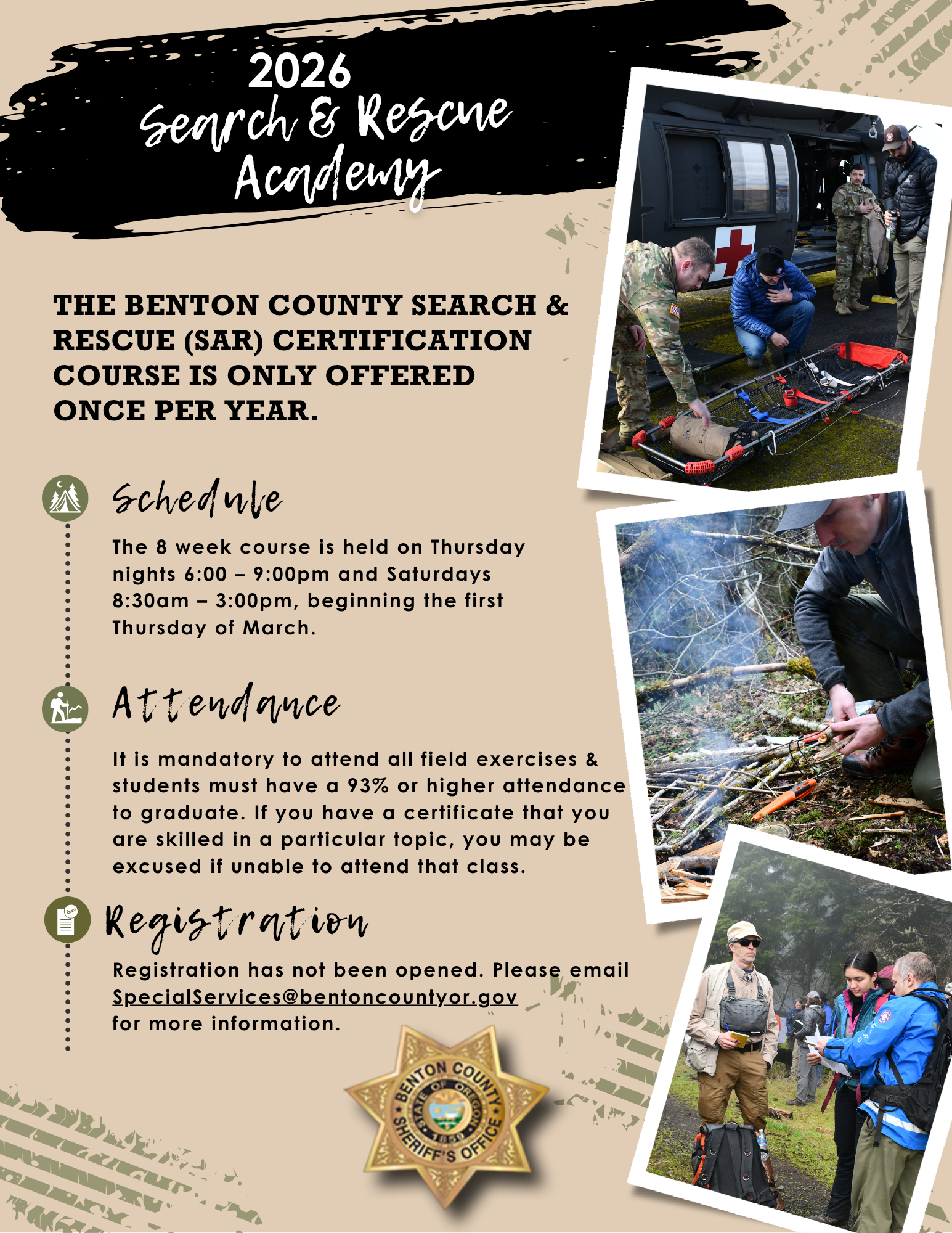
Reading manuals only gets you so far. The real learning happens in the field. FEMA and its partner organizations conduct rigorous drills and exercises. These are designed to simulate real disaster conditions. Think simulated rubble piles, confined spaces, and stressful scenarios. This practical, hands-on training is absolutely critical for building muscle memory and decision-making skills under pressure.

Source : therescuecompany1.com
Decoding the Specific Certification Requirements
Position Qualifications: It’s All About the Role
FEMA doesn’t just certify “search and rescuers.” They certify individuals for specific roles within a US&R team. Things like Search Team Manager, Rescue Team Leader, or a HazMat Technician. Each position has its own set of required training courses and experience. You need to meet the specific criteria for the position qualification you’re aiming for. For example, checking out a specific role like a Heavy Rescue Specialist can be found on portals like RTLT’s position listings helps clarify these requirements.
Prerequisites: What You Need Before You Start
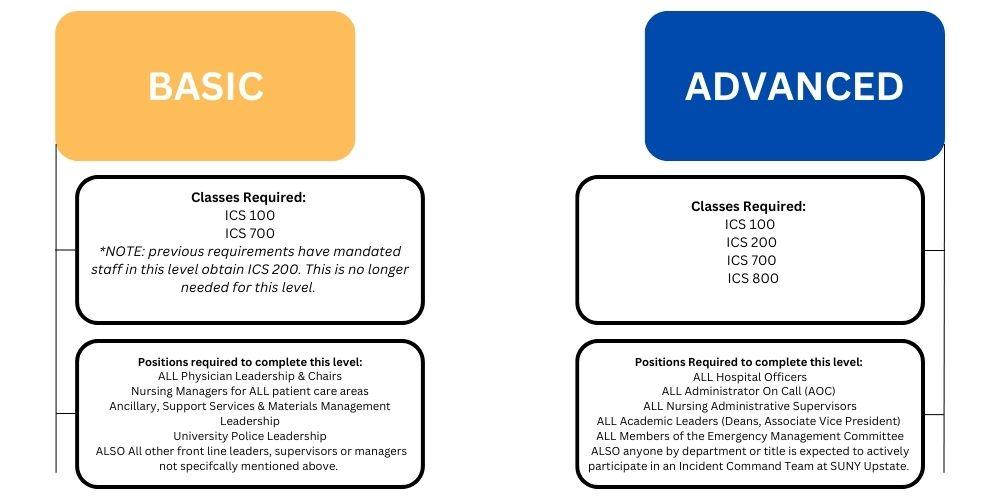
Before you even apply for advanced FEMA SAR training, there are usually prerequisites. This might include a certain level of emergency services experience (like being a firefighter or EMT), foundational FEMA courses (like IS-100, IS-200, IS-700, IS-800), and sometimes specific physical fitness standards. They want to know you’ve got a solid base before investing in your specialized skills. Don’t skip these foundational courses.
The Evaluation Process: Proving Your Mettle
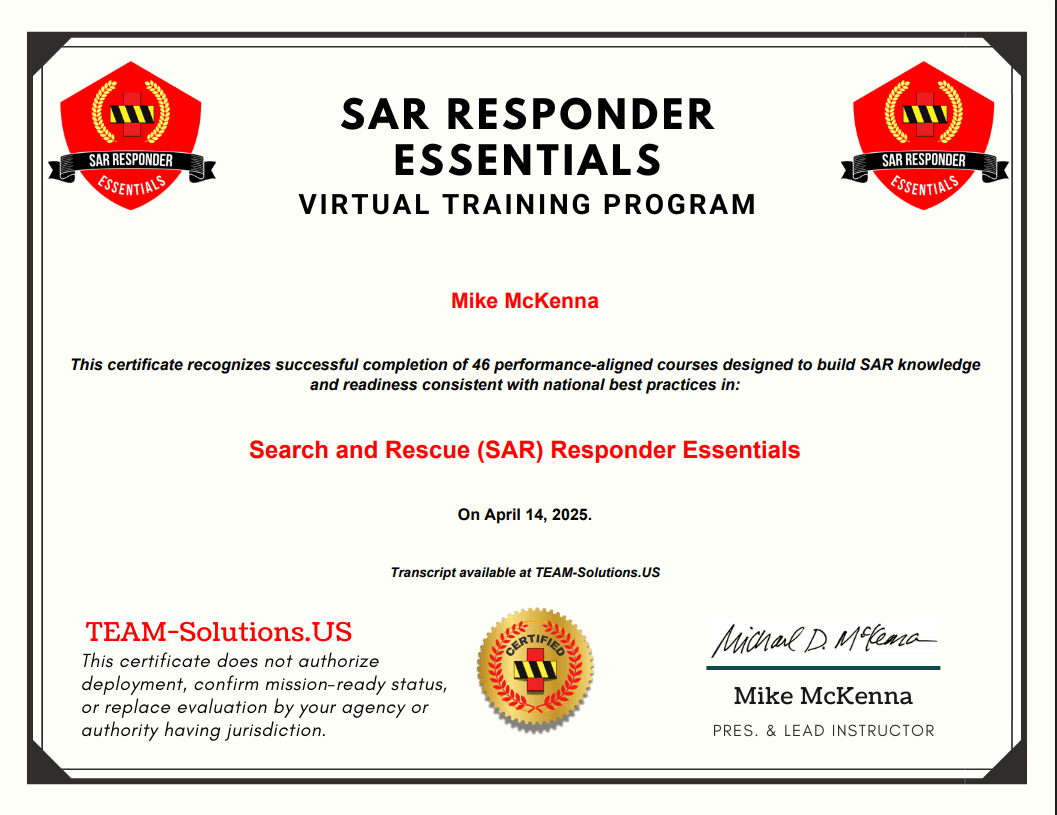
Earning the certification involves more than just attending classes. There are written exams, practical skills evaluations, and often performance assessments during drills. You’ll need to demonstrate proficiency in areas like technical rescue techniques, victim assessment, and teamwork. It’s a Full evaluation designed to Make sure you’re truly ready for the challenges. Passing these skills evaluations is non-negotiable.
Key Training Modules You’ll Encounter
Technical Rescue Techniques
This is the meat and potatoes of SAR. You’ll learn how to breach walls, operate saws and drills safely, shore up unstable structures, and use ropes and harnesses for vertical rescue. It’s physically demanding and requires Careful attention to safety protocols. Mastering these technical skills is Top.
Search and Size-Up Operations
Knowing where to search and how to assess a scene quickly is critical. This module covers search patterns, using search tools (like cameras and listening devices), identifying structural weaknesses, and determining the safest and most effective way to access victims. Effective scene assessment saves lives.
Source : upstate.edu
Medical Response in Austere Environments
Victims aren’t always in pristine hospital beds. You’ll learn to provide advanced first aid and basic life support in chaotic, hazardous environments. This includes managing trauma, triage, and stabilizing patients for transport when medical facilities might be miles away or inaccessible. Key medical response skills are taught.
Hazardous Materials Awareness
Disaster sites are often filled with unseen dangers. Understanding basic hazmat identification, containment, and self-protection is Key. You need to know what you’re dealing with to avoid becoming another victim. This hazmat awareness training protects the entire team.
Physical and Mental Conditioning: The Unspoken Requirements
The Physical Demands Are No Joke
Let’s be blunt: this job is physically grueling. You’ll be lifting heavy objects, crawling through debris, climbing, and working in extreme weather conditions for extended periods. Maintaining peak physical condition isn’t optional; it’s a core job requirement. Regular strength and endurance training are Needed.
Endurance for the Long Haul
Search and rescue operations can last for days, even weeks. You need the stamina to keep going when you’re exhausted, hungry, and mentally drained. This requires building significant physical endurance. Think marathon runner, not sprinter. That kind of sustained effort is what separates the pros.
Mental Fortitude: Staying Calm Under Fire
The psychological toll can be immense. Witnessing devastation, dealing with high-stress situations, and making critical decisions under pressure require incredible mental resilience. Training often includes modules on stress management, coping mechanisms, and maintaining focus. Developing mental toughness is just as important as physical strength.
Source : team-solutions.us
Putting It All Together: Becoming FEMA Certified
Step-by-Step: The Journey to Certification
The path generally looks like this:
- Meet basic prerequisites (experience, foundational FEMA courses).
- Identify the specific US&R position you want to qualify for.
- Complete the required specialized training courses and workshops.
- Participate in and pass hands-on drills and exercises.
- Successfully pass all written and practical evaluations for your chosen position.
It’s a structured process designed to build competence gradually. This structured process ensures a high standard.
Maintaining Your Certification
Certification isn’t a one-and-done deal. You’ll likely need to undergo recurrent training and skills validation periodically to maintain your status. The Field of disaster response evolves, and so does the training. Staying current ensures your skills remain sharp and effective. Maintaining your certification status requires ongoing commitment.
The Reward: Serving Your Community
The reward isn’t just the certification itself. It’s the ability to make a tangible difference when your community needs it most. It’s the satisfaction of knowing you have the skills and training to respond effectively to catastrophic events. It’s about being part of a dedicated team committed to saving lives. That’s the true impact of certification.
A Look at Training Costs and Time Investment
Financial Considerations
While many core FEMA courses are free online, specialized in-person training, equipment, and travel can incur costs. Depending on your agency or organization, these expenses might be covered, or you may need to seek funding. Budgeting for training expenses is wise.
Time Commitment Breakdown
The time investment varies wildly depending on the specific position. Foundational courses might take a few days online. However, advanced technical rescue training and drills can span weeks or even months of cumulative time spread over years. Be prepared for a significant time commitment if you’re serious about this.
Source : responsesystem.org
Where to Find State-Specific Information
Requirements and training opportunities can also vary slightly by state and local jurisdiction. Many states have their own EMAs (Emergency Management Agencies) that work closely with FEMA and offer relevant training programs. Always check with your local and state emergency management offices for the most accurate information. Connecting with your state EMA is a smart move.
| Aspect | Basic Online FEMA Courses | Specialized In-Person Training | Advanced US&R Drills |
|---|---|---|---|
| Primary Focus | Foundational knowledge, Incident Command | Technical skills, specific role competencies | Practical application, team coordination under stress |
| Cost | Generally Free | Varies; can be significant | Often covered by agency, but represents high resource investment |
| Time Investment | Hours to Days | Days to Weeks | Intensive periods; ongoing requirement |
| Certification Level | Prerequisite, Awareness | Operational, Technician | Proficiency, Readiness Validation |
The Bottom Line: Are You Ready for the Challenge?
It Demands Commitment
Getting FEMA SAR certified isn’t a casual Effort. It requires a serious commitment to learning, training, and pushing your physical and mental limits. If you’re looking for a way to genuinely contribute when disaster strikes, this is a path worth pursuing. But understand the depth of the commitment involved.
Beyond the Basics
Remember, this certification is just the starting point. The real work comes during actual deployments. Continuous learning and practice are key to staying effective. FEMA provides the framework, but your dedication brings it to life. Never stop honing your SAR skills.
Your Role in National Preparedness
By pursuing this training, you’re not just improving your own capabilities; you’re contributing to the nation’s overall preparedness. You become part of a Key network ready to respond to the worst. It’s a significant responsibility, and the training ensures you’re up to the task. That’s the power of being truly prepared.
Frequently Asked Questions
What training is required for SAR?
Because there’s a lot to cover, official FEMA Search and Rescue training is pretty Full. Think things like urban search and rescue, basic and advanced rescue techniques, and incident command system (ICS) training. Gotta be prepared for anything, right?
How much does FEMA certification cost?
It can vary, honestly. Some courses might be free or low-cost, especially if you’re affiliated with a state or local emergency management agency. Others, particularly specialized ones, could have fees. Best to check the specific course details for exact FEMA certification costs.
What certifications do I need for search and rescue?
For search and rescue, you’ll want certifications relevant to the type of SAR you’ll be doing. This usually includes FEMA’s Incident Command System (ICS) courses, specific technical rescue skills (like rope rescue, confined space, etc.), and often basic first aid and CPR. It really depends on the team you’re joining.
How to get a FEMA training certificate?
Usually, you get your FEMA training certificate after successfully completing an approved course and passing any required assessments or exams. You can typically access and download your certificates through the FEMA Emergency Management Institute (EMI) online portal if you have an account.
Are there physical fitness requirements for FEMA SAR training?
But yeah, there usually are. Because SAR work can be incredibly demanding, both physically and mentally, most teams and courses will have some level of physical fitness requirement. You’ll likely need to be in good shape to handle the strenuous activities involved.
0 Response to "Fema Search And Rescue Certification Requirements And Training"
Post a Comment