What Is The Fastest Way To Become Cpr Certified Near Me
What Is The Fastest Way To Become CPR Certified Near Me
Look, nobody wants to be in a situation where they need CPR. It’s grim. But let’s be real: life throws curveballs. And if you find yourself needing to know how to save a life, or if your job demands it, you’re probably thinking, “Okay, how fast can I get this done?” It’s a totally valid question. You don’t want to spend weeks in a classroom when there are quicker routes to getting that CPR certification.
Forget the endless searching for “CPR certification near me” that leads you down a rabbit hole of confusing websites. We’re cutting through the noise. This is about getting you that Needed certification, pronto. Because when minutes matter, so does speed.
Jumping Right Into CPR Certification

Source : abc13.com
The Blended Learning Advantage
So, what’s the secret sauce for speed? It’s often something called blended learning. Think of it as the best of both worlds, minus the total time suck. You knock out a good chunk of the theory stuff online, at your own pace. No boring lectures, no awkward group exercises (yet). Just you, your computer, and the Key information.
This online portion typically covers the ‘why’ and ‘what’ of CPR – the science, the scenarios, the anatomy behind it. It’s usually pretty thorough, setting a solid foundation before you even step foot in a classroom. This saves serious time.
The In-Person Skills Session
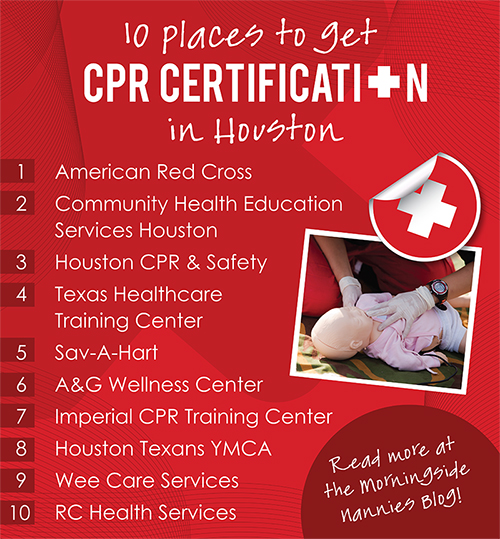
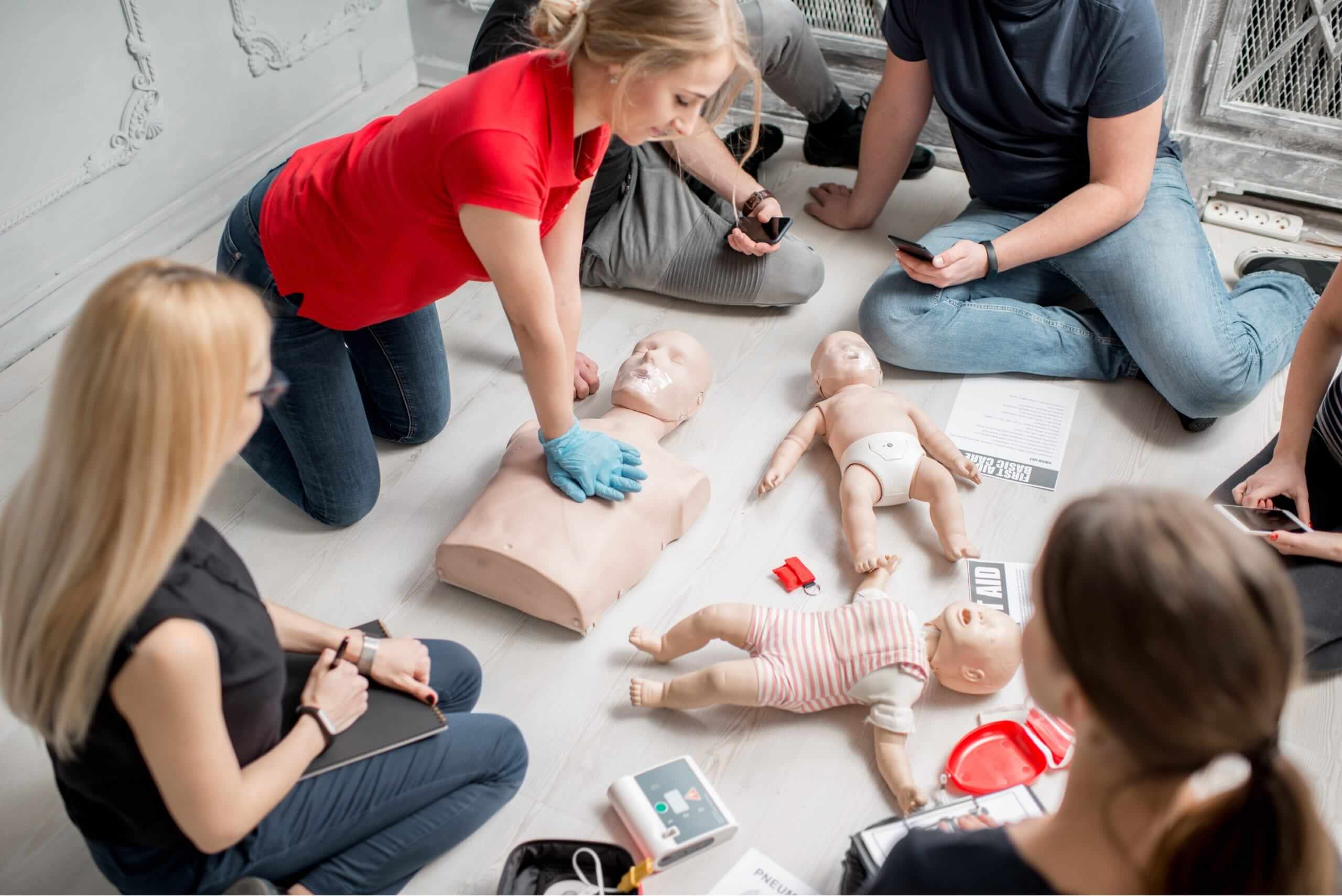
After you’ve crushed the online modules, you book a short, focused in-person session. This is where the rubber meets the road. You’ll practice the actual hands-on techniques. Think chest compressions, rescue breaths, using an AED. A certified instructor guides you, corrects your form, and makes sure you’re actually ready to perform CPR under pressure.
Because you’ve already done the homework online, this session is all about application. It’s usually just a couple of hours. Much faster than a full-day course from scratch, right? This is your golden ticket to a quick CPR certification.
Source : morningsidenannies.com
Why Blended Learning Wins for Speed
The big win here is flexibility. You can complete the online part whenever it suits you – during your lunch break, late at night, whenever. Then, the in-person session can be scheduled relatively quickly. Many providers offer these sessions multiple times a week, even on weekends. It’s designed for busy people who need results without the lengthy commitment.
Exploring Different Certification Providers
American Red Cross Options
You can’t talk about CPR without mentioning the American Red Cross. They’re a huge player and offer that blended learning approach I just mentioned. You can start your course online and then find a local class to finish up the hands-on part. It’s a reliable path.
They’ve got various course types, from basic CPR to more advanced ones like BLS (Basic Life Support) if your profession requires it. The key is looking for the “Blended Learning” or “Online + In-Person Skills” options on their site. That’s your fast track. You can even start exploring their certification options right here: CPR certification courses.
American Heart Association (AHA) Classes
Another major, highly respected provider is the American Heart Association (AHA). They also offer blended learning paths. Like the Red Cross, you’ll do an online component followed by an in-person skills check. Their training is top-notch and widely recognized, especially in healthcare settings.
When searching for AHA courses, look for “Heartcode” blended learning options. These are specifically designed to combine online learning with a hands-on skills session. It’s a very common and efficient way to get certified quickly, especially if you’re in or aspiring to be in the medical field. AHA certification is gold standard.
Local Training Centers and Community Colleges
Don’t overlook smaller, local training centers. Many independent organizations and even community colleges offer CPR certification. Some might stick to traditional, longer classroom formats, but others have embraced the blended learning model. These can sometimes be more convenient geographically, being literally closer to your home.
The advantage here? Sometimes, they can be a bit more flexible with scheduling their skills sessions. You might find a niche provider that fits your specific time constraints better than the larger national organizations. Just be sure they are certified by a recognized body like the Red Cross or AHA. Check their accreditation!
Finding ‘Near Me’ CPR Classes Quickly
Leveraging Online Search Tools
Okay, so you need it fast and you need it close. The most obvious first step is a targeted online search. Use terms like “fast CPR certification near me,” “same day CPR class,” or “CPR certification [your city/zip code].” You’ll likely get a list of local providers.
Source : cprcertificationdallas.org
Don’t just click the first result. Scan the descriptions. Look for mentions of “blended learning,” “online courses,” or “express options.” Check their websites for class schedules. The sooner you can book that in-person skills session, the faster you’ll be certified. Speed depends on availability.
Checking Provider Websites Directly
Once you have a few potential providers from your search, go directly to their websites. This is Key. They’ll have the most up-to-date class schedules, pricing, and registration information. Look for a “Schedule a Class” or “Find a Course” button.
Pay attention to the type of course. If you see “Online CPR Certification,” make sure it includes a mandatory in-person skills component if you need official certification. Many “online-only” options are not sufficient for job requirements. Verify the certification type.
Calling Local Training Centers
Sometimes, the quickest way to get answers is just to pick up the phone. If a website is unclear about schedules or if they offer expedited options, call them! You can ask directly: “What’s the fastest way for me to get CPR certified?” or “Do you have any upcoming skills sessions available this week?
You might discover they have last-minute openings or special “express” courses not heavily advertised online. Plus, you get a feel for their customer service. A helpful, responsive center is usually a good sign. Don’t underestimate a direct call.
Understanding CPR Certification Requirements
Job-Specific Needs
Why do you need CPR certification in the first place? The answer massively impacts how fast you can get it and what kind of certification you need. If you’re a lifeguard, a teacher, a nurse, a doctor, or work in childcare, your employer likely has specific requirements. They might mandate certification through a particular organization (like AHA or Red Cross) and require a specific level of training (e.g., BLS).
Always check with your employer or the certifying body for your field. Getting the wrong type of certification won’t cut it and will just waste your time and money. Know your employer’s requirements.
Basic vs. Advanced Levels
There isn’t just one “CPR certification.” Basic CPR courses teach you how to respond to adults, children, and infants. More advanced courses, like BLS, often include additional skills, like using bag-valve masks, managing choking, and dealing with cardiac arrest scenarios in more detail. They are typically geared towards healthcare professionals.
For most general public needs (e.g., community, babysitting, general workplace safety), a standard CPR/AED/First Aid certification is usually sufficient and often faster to obtain. Healthcare providers typically need the more Full BLS certification. Choose the right level.
Source : cprcertificationdenver.com
Certification Validity Period
CPR certifications aren’t forever. They typically expire every two years. This is important for speed because you’ll need to renew it eventually. When you’re looking for a fast certification now, remember that you’ll need to factor in recertification down the line. Planning for renewal is part of the process.
Some providers might offer renewal courses that are even faster than initial certifications, as you’re just refreshing existing knowledge. Keep this in mind for the future. Renewal is usually quicker.
The Cost Factor in Fast CPR Certification
Average Pricing for Blended Learning
Fast doesn’t always mean cheap, but it can be cost-effective. Blended learning courses, which are the fastest route, typically range from $50 to $100. This usually covers both the online coursework and the in-person skills session, plus your official certification card.
This price point is generally competitive with or even slightly less than full in-person courses, especially when you consider the time you save. It’s a good investment for getting certified quickly. Value for money is high.
Factors Influencing Price
What makes prices vary? Location can play a role – classes in major metropolitan areas might be slightly more expensive than in rural areas. The specific provider (Red Cross vs. AHA vs. independent center) can also affect the cost. Some courses might bundle in additional training, like Bloodborne Pathogens or even full First Aid certification, which could increase the price but also offer more value.
Be wary of prices that seem too good to be true, especially for online-only options that aren’t legitimate. Make sure the provider is authorized and the certification will be recognized. Check for hidden fees.
Is Express Certification More Expensive?
Generally, “express” or “same-day” options often don’t carry a significant extra charge beyond the standard blended learning fees, assuming you find a provider offering it. The speed comes from the structure of the course (blended learning) and the availability of skills sessions, not usually from a premium “expedited” fee.
The real cost of speed is often the time you don’t spend. If you need to take time off work for a full-day class, the cost in lost wages could be far greater than the certification fee itself. Blended learning minimizes this lost income potential. Time is money, after all.
What to Expect During Your Skills Session
The Practical Skills Assessment
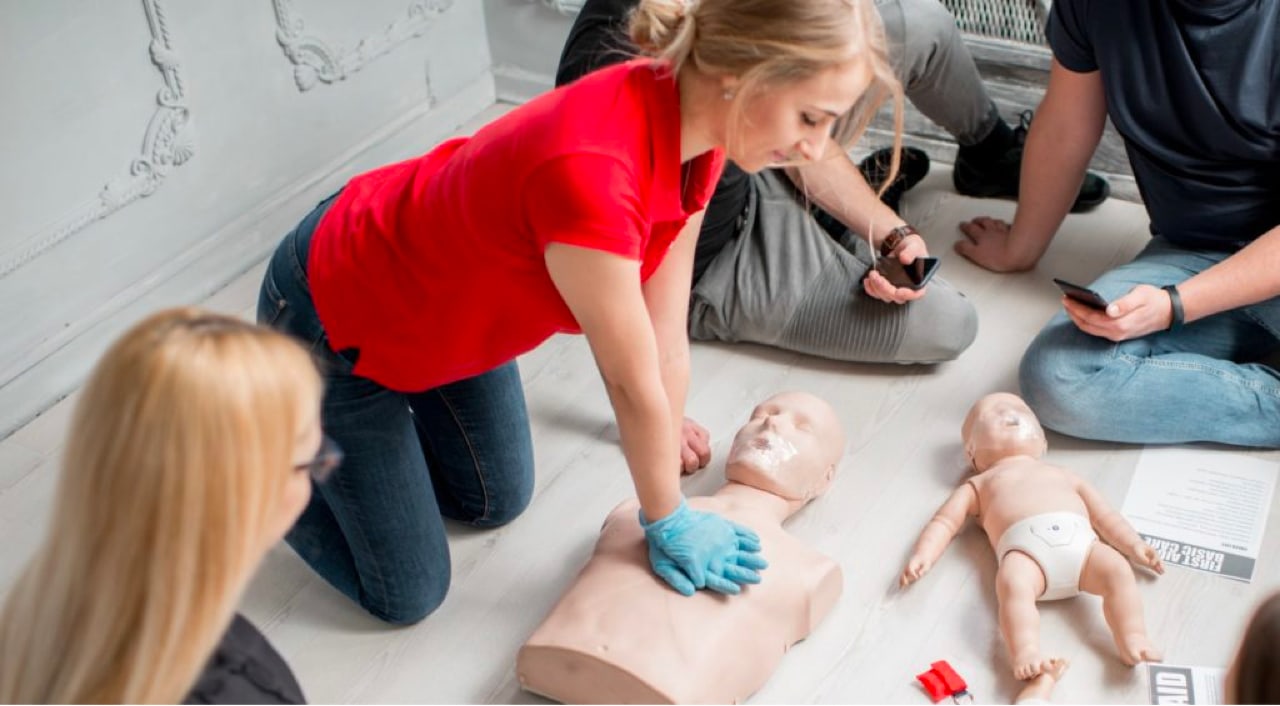
This is the core of your in-person session. You’ll be assessed on your ability to perform key CPR techniques. This includes demonstrating proper hand placement and depth for chest compressions on a manikin, giving effective rescue breaths, and knowing how to use an Automated External Defibrillator (AED). An instructor will watch you closely.
Source : redcross.org
Don’t sweat this part too much. The online portion should have prepared you well. The instructor is there to guide and correct, not just to judge. They want you to succeed! Practice makes perfect.
Scenario-Based Training
You won’t just be doing isolated skills. You’ll likely run through a few realistic emergency scenarios. Imagine finding someone unconscious, needing to call for help, starting CPR, and using an AED. Instructors might simulate different situations – an adult collapsing, a child choking, etc.
This helps you put all the learned skills together in a more Active, less predictable way. It mimics the pressure of a real emergency and builds your confidence. It’s the part that really makes you feel prepared. Real-world simulation.
AED Usage and Training
A Key part of modern CPR certification involves using an AED. You’ll learn how to turn it on, attach the pads correctly, and follow its voice prompts. The manikins often have built-in systems that provide feedback on your compression rate and depth, and some even simulate breathing.
Understanding how to operate an AED is Key. These devices can significantly increase survival rates for cardiac arrest. Getting hands-on experience with one during your skills session is Crucial. Know your AED.
Making Sure Your Certification is Valid
Accreditation Matters
When you’re in a rush, it’s easy to grab the first certificate you can. But where did it come from? Make sure the organization providing your training is recognized and accredited. The American Red Cross and the American Heart Association are the gold standards, and most employers accept their certifications without question.
If you’re looking at a less common provider, do a quick search to see if they are affiliated with or recognized by major health organizations or your local emergency services. A certificate from an unapproved source might be useless. Verify the source.
Digital vs. Physical Cards
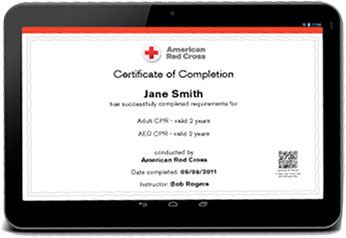
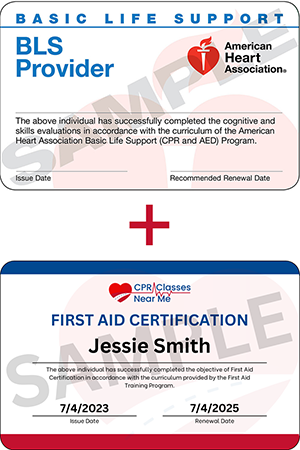
Many providers now offer digital certification cards, which can be accessed via an app or email. This is super convenient, especially if you need proof quickly. Some might still issue physical cards, which can take a few days to arrive by mail. For speed, a digital option is usually best.
Make sure you know how you’ll receive your proof of certification and if it meets your needs. Can you screenshot it? Does your employer require a specific format? Clarify this when you register. Digital is often fastest.
Source : cprclassesnearme.com
Keeping Track of Expiration Dates
Certifications expire, usually in two years. To maintain continuous certification, mark your calendar or set reminders a month or two before your expiration date. This gives you plenty of time to find and complete a renewal course without letting your certification lapse.
Letting your certification expire can have serious consequences, especially if it’s required for your job. Proactively schedule your renewal. It’s often a quicker process than the initial certification, especially if you’ve kept up with best practices. Don’t let it lapse.
Speedy CPR Certification: A Data Snapshot
Choosing the right method makes all the difference. Here’s a quick breakdown:
| Method | Typical Time Commitment | Pros | Cons | Speed Factor |
|---|---|---|---|---|
| Full In-Person Class | 4-8 hours (single session) | Hands-on focus, immediate feedback. | Requires large time block, less flexible. | Slowest |
| Blended Learning (Online + In-Person Skills) | 2-3 hours (in-person) + Online modules (self-paced) | Highly flexible, significantly faster overall. | Requires discipline for online part, need to schedule skills session. | Fastest |
| Online-Only Course (Not Recommended for Certification) | 2-4 hours (fully online) | Extremely convenient and fast. | Usually not accepted for official job requirements. Lacks practical skills validation. | Fastest (but invalid) |
Final Thoughts: Prioritize Speed Wisely
Look, when you need CPR certification near you, the fastest route is almost always going to be a blended learning program. It splits the work: the theory online, the practical skills in person. This structure respects your time and gets you that Key credential efficiently.
Don’t get caught up in endless searching. Identify your needs, find a reputable provider (like the Red Cross or AHA), book that blended learning course, ace the online part, and nail the in-person skills session. Done. Now you’re certified and ready, hopefully never needing to use it, but definitely prepared if you do. Get it done right, and get it done fast.
Frequently Asked Questions
How many days does it take to get a CPR certification?
Because it varies, but honestly, most CPR certification courses are super quick. You can often get certified in just a single day, sometimes even a few hours if you do an online portion beforehand. So, pretty fast!
How to get CPR certified in Missouri?
But for getting certified in Missouri, just look for local training centers or community colleges. Organizations like the American Heart Association or American Red Cross have classes all over the state. Just search their websites for ‘Missouri’ and you’ll find a CPR class near you.
How to become CPR certified for free?
Because finding free CPR certification can be a bit tricky. Sometimes employers offer it, or non-profits might have sponsored classes. You might also find volunteer opportunities that cover the cost. It takes some hunting, but it’s possible!
What’s the quickest CPR certification course?
But the absolute fastest way is usually a blended learning course. You do the book stuff online, which is way quicker, and then you just go in for a short in-person skills session. Boom, fast CPR certification!
Can I get CPR certified online?
Because you can get a CPR certification card entirely online for some courses, but not all. Often, you’ll need an in-person skills check to be fully certified, especially for healthcare providers. But for general knowledge, an online CPR course is super convenient.
0 Response to "What Is The Fastest Way To Become Cpr Certified Near Me"
Post a Comment