How To Become Cpr Certified
Alright, let’s talk about something that feels both incredibly important and, frankly, a little bit daunting for a lot of people: getting CPR certified. It’s one of those things you hope you’ll never have to use, but when you do, well, there’s no substitute for knowing what to do, right?
Seriously, think about it. Emergencies happen. They don’t send out invitations. One minute you’re grabbing a coffee, the next you’re watching someone struggle to breathe. Having that CPR certification can literally be the difference between life and death. It’s not just a piece of paper; it’s a skill, a responsibility, and frankly, a superpower.
Why Bother Getting CPR Certified Anyway?
It’s Not Just for Healthcare Pros Anymore
You might picture nurses or doctors flashing those fancy CPR cards. And yeah, they do. But these days, you’ll find certified folks everywhere. Think teachers, coaches, lifeguards, daycare workers, even just regular folks like you and me who want to be prepared.
The Lifesaving Edge You Can Provide
Seconds count. When someone’s heart stops, every moment without CPR means their chances of survival drop. Being able to jump in and start compressions or rescue breaths immediately buys precious time. It keeps blood flowing to the brain and Key organs until paramedics arrive. It’s a direct, immediate impact.
Peace of Mind: Priceless
Let’s be honest, knowing you could help in a crisis is a huge mental relief. It’s empowering. Instead of feeling helpless, you have a plan. You have the training. That confidence is something money can’t buy, but a few hours of training can.
Meeting Job Requirements
For a lot of jobs, it’s not optional. Schools, gyms, childcare facilities, even some office jobs are starting to require it for staff. It’s becoming a standard safety measure, and for good reason. It shows an employer you’re committed to safety, both yours and others’.
A Little CPR History: Not What You Think

Source : abc13.com
The Unexpected Origins of CPR
CPR as we know it today didn’t just magically appear. It’s a fascinating story that involves a lot of trial and error, and surprisingly, hypnosis. Yep, hypnosis. Early experiments in the 1950s weren’t exactly the sterile, scientific process we associate with medicine now.
The Pioneers Who Made It Happen
Key figures like Dr. Kouwenhoven, Dr. Jude, and Dr. Knickerbocker were instrumental. They were working with electrical engineers to figure out how to restart hearts. They developed closed-chest compressions, which was revolutionary. Before that, it often involved physically opening the chest!
From Mouth-to-Mouth to Modern Techniques
The mouth-to-mouth resuscitation part also has its own lineage. It’s evolved over time, with research refining the best techniques for delivering oxygen. What we practice today is a streamlined, highly effective method born from decades of research and countless lives saved.
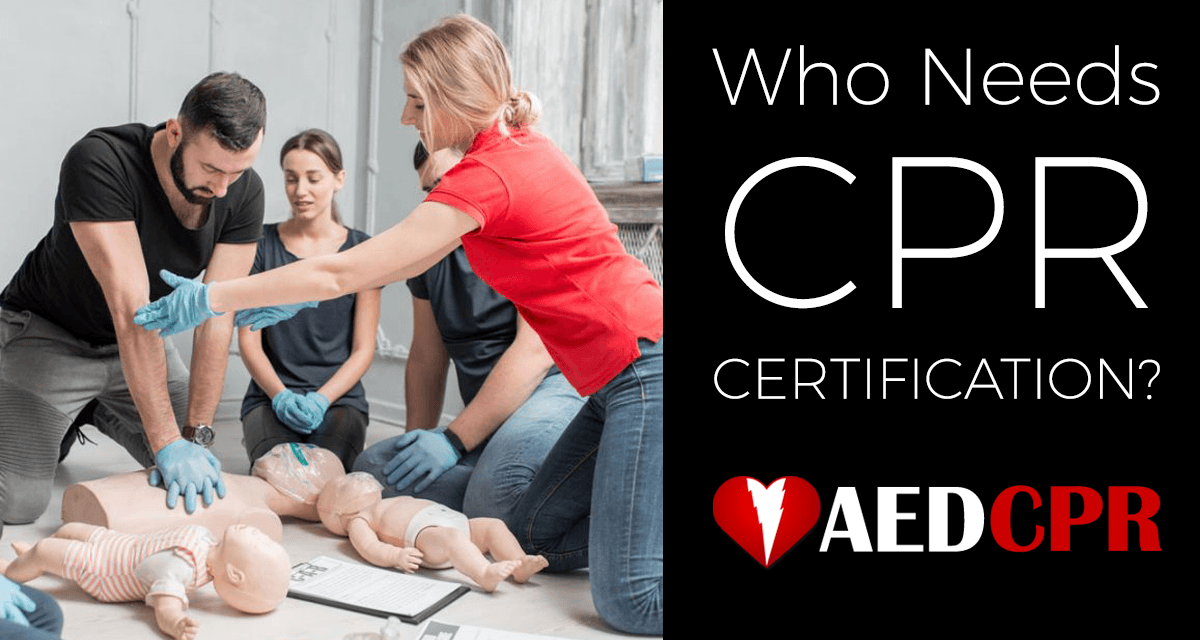
Who Needs CPR Certification? (Hint: Probably You)
Source : aedcpr.com
The Obvious Candidates
If you work in healthcare, or anything remotely close, getting your CPR certification is a given. This includes nurses, doctors, paramedics, EMTs, dental hygienists, and so many others. It’s non-negotiable in those fields.
Parents and Caregivers: Needed Skills
This is HUGE. Any parent, grandparent, babysitter, or nanny should absolutely get trained. Babies and young children are particularly vulnerable. Knowing how to perform CPR on an infant or child is a specific skill set that differs from adult CPR, and it’s Key.
Educators and Coaches: On the Front Lines
Teachers, school staff, camp counselors, coaches – these individuals are responsible for children and teens for hours on end. Emergencies can happen on the playground, the sports field, or in the classroom. Being certified is part of that duty of care.
Community Members: Be a Good Neighbor
Honestly, anyone who wants to be prepared is a candidate. You never know when you’ll be the first on the scene. Think about your neighbors, your friends, your family. You could be the one to make a critical difference.
Different Types of CPR Certification: Which One is Right?

Source : mycprcertificationonline.com
Basic Life Support (BLS)
This is often the go-to for healthcare professionals and those in emergency response roles. It covers CPR for adults, children, and infants, along with the use of an automated external defibrillator (AED) and how to help someone who is choking. It’s pretty Full for a basic certification.
Heartsaver CPR/AED
This course is designed for the general public or those who don’t work in healthcare but want or need CPR training for their job. Think teachers, coaches, office workers, or parents. It covers the same Needed life-saving skills but might be a bit less in-depth than BLS.
Family and Friends CPR
This is a great, low-cost option for people who want to learn CPR primarily for loved ones at home. It’s less about formal certification and more about equipping family members with the skills. It’s perfect for that peace of mind we talked about earlier.
Hands-Only CPR
This is exactly what it sounds like: CPR without the rescue breaths. It’s incredibly simple to learn and highly effective for sudden cardiac arrest in adults. Many organizations, like the American Heart Association, offer training in this. It’s a fantastic starting point if you’re hesitant about the mouth-to-mouth aspect.
Choosing the Right Training Provider

Source : edstellar.com
The Big Names: Red Cross vs. American Heart Association
When you start looking, you’ll see two main players dominate the scene: the American Red Cross and the American Heart Association (AHA). Both offer excellent, widely recognized training. The core skills are identical. Think of it like choosing between two reputable brands of reliable car – you can’t really go wrong with either.
Online vs. In-Person vs. Blended Learning
This is a big decision. Purely online courses are convenient but often don’t offer the hands-on practice needed for true competency. In-person classes are great for direct feedback but require scheduling. Blended learning is often the sweet spot: you do the book work online, then attend a shorter in-person session for the practical skills test. It’s efficient!
Local Community Resources
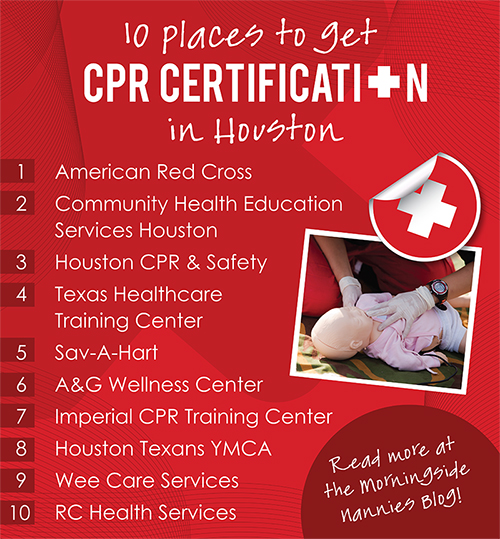
Don’t forget your local fire departments, hospitals, and community centers. Many offer CPR classes at affordable rates. Sometimes, these local options are more accessible and offer a more personal touch. Plus, you’re supporting a community resource!
| Certification Type | Target Audience | Key Focus | Recognition |
|---|---|---|---|
| Basic Life Support (BLS) | Healthcare Providers, First Responders | Full CPR, AED, Choking (Adult, Child, Infant) | Widely Accepted in Medical Fields |
| Heartsaver CPR/AED | General Public, Non-Healthcare Workers | Needed CPR, AED, Choking Skills | Commonly Required for Non-Medical Jobs |
| Family & Friends CPR | Parents, Family Members, Caregivers | Basic CPR Skills for Home Emergencies | Informal, Focus on Skill Acquisition |
| Hands-Only CPR | Anyone Concerned About Sudden Cardiac Arrest | Chest Compressions Only (Adults) | Basic Awareness Skill |
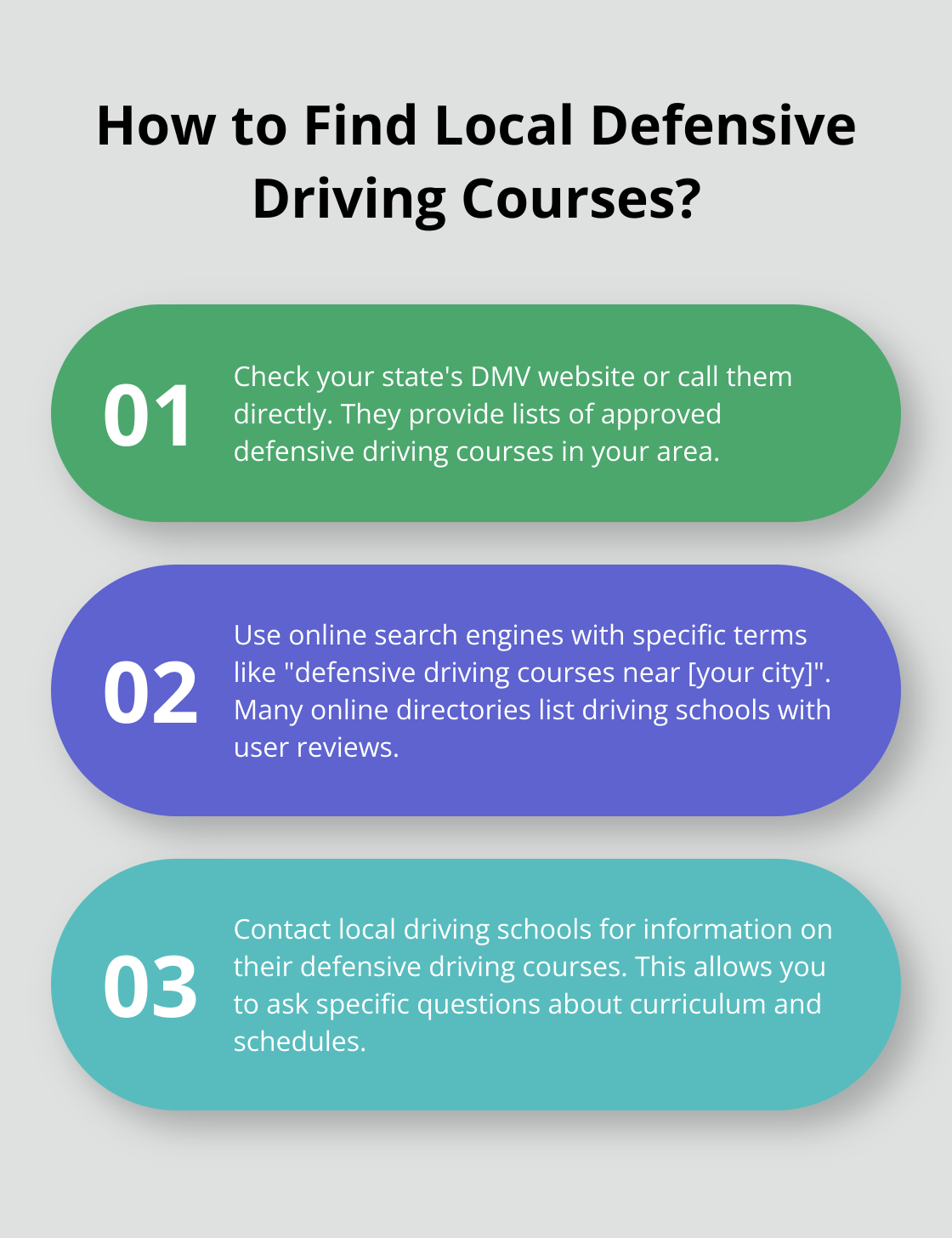
Finding a Course Near You: What to Look For
Source : thewiserdriver.com
Certification Validity Period
Most CPR certifications are valid for two years. After that, you’ll need to recertify. Some courses might be shorter, but two years is the industry standard. It ensures your skills stay somewhat fresh.
Course Content and Objectives
Make sure the course you choose covers what you need. If you’re in healthcare, you need BLS. If you’re a teacher, Heartsaver is probably fine. Check the course description against your requirements. For instance, if you want to get CPR certified online with a hands-on component, look for blended learning options.
Instructor Qualifications
A good instructor makes all the difference. They should be certified themselves and have a knack for teaching. Look for courses with positive reviews or ask around for recommendations. A bored instructor leads to bored students, and that’s not good when lives are on the line.
Cost and Time Commitment
Prices can vary wildly. Some courses are free or low-cost through community programs, while others can cost over $100. Factor in the time commitment too. A full in-person course might take a whole day, while a blended option could be just a couple of hours for the skills check. You can find a variety of options at reputable sites like the Red Cross.
What Is The Fastest Way To Become Cpr Certified Near Me
Source : morningsidenannies.com
Okay, so you need to get CPR certified, and like, yesterday? I get it. Life happens, and sometimes you just need that card in hand pronto. Forget dallying around; we’re talking speed here.
The absolute quickest route? It’s almost always a blended learning course. Think of it like this: you knock out the boring textbook stuff online in your pajamas, then you just zoom in for the hands-on skills session. Bam! Done.
Watch: How to get CPR and First Aid Certification?
Online Coursework First, Then In-Person Skills
This is the real hero of speed. You can usually bang out the online portion in a couple of hours, tops. It covers all the theory, the dos and don’ts, the science behind it all. It’s Key, sure, but it’s the part you can totally do on your own schedule. No waiting for class to start.
Then, you schedule your in-person skills check. These are usually short, maybe an hour or two. You practice on the manikins, get grilled by an instructor, and prove you know your stuff. Because let’s be honest, reading about chest compressions is one thing; actually doing them is another.
Finding A Local Skills Session Quickly
The trick to speed here is finding a training center that offers these skills sessions frequently. Some places have them daily, even multiple times a day. You just need to jump online, search for “CPR skills session near me,” and book the earliest slot you can snag. Don’t be afraid to call them if their online scheduler looks full; sometimes they can squeeze you in.
I remember my buddy needed it for a new job and found a place in a doctor’s office offering them every afternoon. He did the online part that morning and his skills check that same day. Crazy fast, right?
What “Fast” Really Means In CPR Certification
Now, “fastest” doesn’t mean cutting corners on quality. You still want a reputable organization. But it does mean leveraging online learning. If you find a program that only offers in-person classes, that’s going to take longer. You have to wait for a class to be scheduled, attend the whole thing, and then you’re done. Blended learning cuts out that waiting game for the theory part.
So, really, the fastest way involves a hybrid CPR course. It’s efficient, flexible, and gets you that certification card without a massive time commitment.
Factors Influencing Speed
Availability is key. If you live in a major city, finding a last-minute skills session is usually a piece of cake. Smaller towns? You might need to plan a bit further ahead. Also, consider the certifying body – some have more widespread training centers than others, impacting how easily you can find a quick session.
Don’t underestimate the power of a quick online search. Terms like “emergency CPR certification” might even turn up places that specialize in rapid training. Just make sure they are accredited!
How Much Does It Cost To Get Cpr Certified For Work
Source : cprcertified.com
Alright, let’s talk brass tacks. You need that CPR certification for your job, and your employer probably isn’t paying for it, or maybe they’re reimbursing you. So, what’s the damage? It really varies, but I can give you the lowdown.
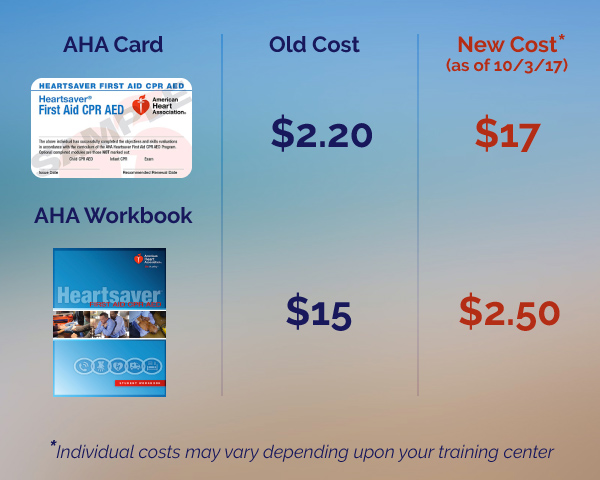
Generally, you’re looking at anywhere from $30 to $100 for a standard certification. That’s for the basic stuff, like Heartsaver or equivalent. If your job requires something more specialized, like Advanced Cardiac Life Support (ACLS) or Pediatric Advanced Life Support (PALS), you’ll be shelling out significantly more.
Standard CPR Certification Costs
For the most common certifications, like the ones most office jobs or even basic healthcare roles require, the price is pretty reasonable. These are usually the courses covering CPR for adults, children, and infants.
You’ll find different price points depending on who is teaching the class and what’s included. A quick skills session after online learning is typically cheaper than a full, in-person, multi-hour class. Think of it as paying for convenience and speed.
Advanced Certifications (ACLS, PALS)
Now, if you’re in a field like nursing, paramedics, or ER tech, you’ll likely need more advanced training. ACLS and PALS courses are much more intensive. They cover complex scenarios, drug usage, and advanced techniques.
These courses cost significantly more. Expect to pay anywhere from $150 to $300, sometimes even more, depending on the provider and location. They also take longer to complete, often spanning two full days.
Factors Affecting Price
Several things can nudge the price up or down. Location matters – classes in big cities tend to be pricier than those in rural areas. The training organization itself plays a role; some have higher overhead or brand recognition. And, as mentioned, the type of certification is a huge factor.
Online-only courses might seem cheaper upfront, but remember you often need an in-person skills check for workplace acceptance, which adds to the total cost. Always check if the CPR certification cost includes the card and all materials.
Potential Employer Reimbursement
Don’t forget to ask your employer about this! Many companies, especially in healthcare or childcare, will either pay for your CPR certification outright or offer full reimbursement. It’s a small investment for them to Make sure their staff is prepared.
Keep your receipts! If they offer reimbursement, you’ll need proof of purchase. Sometimes they’ll even direct you to specific training centers they prefer or partner with. Always get the specifics before you sign up.
Budgeting for Your Certification
So, to recap, for a basic CPR certification required for many jobs, budget roughly $50-$80. For advanced certifications needed in critical care roles, prepare for $150-$300+. Always verify what the price includes: the training, the skills check, the official card, and any required materials. A workplace CPR certification shouldn’t break the bank, but it’s worth budgeting for.
Aha Vs Red Cross Cpr Certification Which Is Better
Source : baysidecpr.com
This is the million-dollar question, right? AHA versus Red Cross. Which one is the golden ticket? Honestly, for most people needing a standard CPR certification, especially for work, it often doesn’t make a lick of difference. Both are highly respected and widely accepted.
Think of it like buying brand-name versus a store-brand medication for a common cold. Both will likely do the job. The key is ensuring the certification meets your specific requirements.
Understanding The Certifying Bodies
The American Heart Association (AHA) and the American Red Cross are the two giants in the CPR training world. They both develop rigorous training protocols based on scientific research and are recognized globally.
The AHA tends to be more prevalent in hospital systems and among healthcare professionals. The Red Cross often has a broader reach into community settings, schools, and workplaces. But again, this is a generalization.
Acceptance In The Workplace
Here’s the Key part: Check with your employer or the organization requiring the certification. In 99% of cases, both AHA and Red Cross certifications are accepted. They both provide similar knowledge and skills training.
If you’re a lifeguard, a daycare worker, a teacher, or even in an office role that requires basic CPR, either certification should be just fine. Don’t stress too much unless your specific job contract dictates otherwise.
Course Content and Style Differences
While the core skills are identical (chest compressions, rescue breaths, AED use), there can be slight variations in teaching style, course structure, and emphasis. Some people find one organization’s teaching methods Connect better with them.
For instance, AHA courses sometimes focus heavily on algorithms and clinical pathways, which might appeal more to medical professionals. Red Cross courses can sometimes feel a bit more geared towards lay rescuers and general community preparedness. But these are subtle differences.
Here’s a little comparison:
| Feature | AHA (American Heart Association) | Red Cross |
|---|---|---|
| Primary Focus | Often favored in healthcare settings; strong emphasis on science and clinical application. | Broad community reach; strong in workplace, school, and aquatics safety. |
| Course Structure | Blended learning (online + skills) widely available; traditional classes too. | Similar blended learning and traditional options. |
| Certification Card | Digital eCards are standard. | Digital certificates are common, sometimes physical cards. |
| Cost | Typically $50 – $100 for basic CPR/AED. | Typically $40 – $90 for basic CPR/AED. |
Which One Should YOU Choose?
The decision often boils down to logistics: availability and price. Which organization has a training center closest to you? Which one offers classes on a schedule that works for you? Which one is cheaper?
If you’re unsure, and your employer hasn’t specified, I’d lean towards whichever option is more convenient and affordable. Both will equip you with life-saving skills. For most everyday purposes, the AHA vs Red Cross debate is a non-issue.
My advice? Find a course that fits your schedule and budget from either the AHA or Red Cross. You’ll walk away with a valuable, recognized certification either way. Just make sure it’s the right level of certification for your needs.
Free Cpr Certification Classes Online With Certificate
Source : aedcpr.com
Ah, the dream: free CPR certification with a certificate. Let’s be real, a fully accredited CPR certification that’s completely free and recognized everywhere? That’s like finding a unicorn. Most legitimate organizations charge for their training because, well, it costs money to run those courses and certify people.
However, there are ways to get parts of the training for free, or find genuinely free options for specific circumstances, but you need to be savvy and know what you’re looking for.
Understanding “Free” CPR Training
Often, when you see “free CPR certification online,” it means one of two things: it’s a basic awareness course (you learn about CPR but aren’t certified to perform it) or it’s the online theory portion of a blended learning course, with a fee for the in-person skills check and the official certificate.
Some organizations might offer genuinely free in-person classes, but these are usually for specific volunteer groups or through community outreach programs. They’re not typically advertised widely online for individual sign-ups.
Where to Look for “Free” Options
Your best bet for something free is often the online learning component. Major organizations like the Red Cross and AHA offer free introductory modules or previews of their courses online. You can learn a lot from these, but they won’t give you a valid certificate for employment.
Check with local hospitals, fire departments, or community centers. Sometimes they host free or low-cost CPR awareness days or workshops. These are great for learning the basics and maybe even getting some hands-on practice, but again, official certification might cost extra.
The Catch: Skills Check and Official Certificate
The most critical part of CPR certification is the hands-on skills check. You have to demonstrate your ability to perform CPR correctly to a certified instructor. This cannot be done online. Therefore, any “free online CPR certification” that claims to give you a valid certificate without an in-person component is likely not legitimate.
Legitimate blended learning courses often have a free online portion, but the final skills assessment and certification card will have a fee. This fee covers the instructor’s time, the equipment, and the administration of the certification. This is where the cost typically comes in.
Alternatives to “Free” Certification
If you absolutely cannot afford a certification course, look for:
- Community Health Programs: Some non-profits or government health initiatives offer subsidized or free training.
- Employer-Sponsored Training: As mentioned before, ask your workplace if they offer or cover CPR training.
- Volunteer Opportunities: Organizations like the Red Cross or community emergency response teams (CERT) might provide training for volunteers.
- Basic Life Support Awareness Courses: While not a certification, these free online courses can teach you the fundamentals.
For actual, verifiable free CPR certification online, be extremely skeptical. Focus on finding affordable blended learning options from reputable providers like the AHA or Red Cross. The small investment is usually well worth the peace of mind and career opportunities it provides.
How To Become Cpr Certified For Daycare Providers

Source : samedaycpr.com
Alright, daycare providers. This one’s for you. When you’re responsible for little ones, the stakes are sky-high. That’s why getting CPR certified isn’t just a suggestion; it’s usually a non-negotiable requirement.
And it’s not just basic adult CPR. You need specific training that covers infants and children because, let’s face it, they’re the ones you’re looking after. This usually means a certification that meets specific state or local regulations for childcare providers.
Specific Requirements for Childcare CPR
Most states mandate that daycare workers have specific pediatric CPR and First Aid certification. This training will focus on the unique needs and potential emergencies involving infants and young children. You’ll learn about:
- CPR techniques for infants, children, and adults.
- Choking procedures for different age groups.
- Recognizing and responding to common childhood emergencies (fever, seizures, allergic reactions).
- Basic first aid relevant to children.
The certifying bodies like the American Heart Association (AHA) and the American Red Cross offer courses specifically designed for childcare providers. Look for courses titled “Pediatric CPR” or “CPR/First Aid for Childcare Providers.
Choosing the Right Course and Provider
When selecting a course, double-check that it explicitly meets the requirements for childcare providers in your area. Sometimes licensing bodies have specific preferences or requirements for the certifying organization (AHA or Red Cross are almost always accepted, though).
The best approach is often a blended learning option. You complete the online coursework covering theory and guidelines, then attend a brief in-person skills session focused on the practical application for infants and children. This is efficient and ensures you get the hands-on practice needed.
Finding Local Training for Daycare Providers
Since this is a common requirement, training centers are usually well-stocked with these specific courses. Search online for “pediatric CPR certification for daycare” or “childcare CPR training near me.” Many community colleges, hospitals, and private training centers offer these classes regularly.
Don’t just book the first one you see. Compare schedules, costs, and Make sure the course content aligns with childcare licensing regulations. It might be worth calling the training center directly to confirm the course meets your specific needs as a daycare provider.
Certification Renewal for Daycare Staff
Remember, CPR certifications expire! Typically, they are valid for two years. You’ll need to recertify before your current card runs out to maintain compliance with your licensing requirements.
Keeping track of your expiration date is Key. Some employers will send reminders, but ultimately, it’s your responsibility. Factor in the time and cost for renewal every couple of years. Staying compliant ensures you can continue caring for children without interruption.
Why This Certification Matters So Much
For daycare providers, this isn’t just a piece of paper. It’s a Key skill set. Knowing how to respond effectively in an emergency can literally save a child’s life. The training provides the confidence and competence needed to act decisively when every second counts.
So, invest the time and money into a daycare CPR certification from a reputable provider. It’s a Foundation of responsible childcare and protects both the children in your care and your professional standing.
Frequently Asked Questions
What do I need to become CPR certified?
Honestly, it’s pretty straightforward. You’ll mostly need a willingness to learn and a bit of time. Most courses require you to be at least 16 years old, although some begier courses might be open to younger folks. You don’t need any prior medical background – they teach you everything from scratch. Just show up ready to get hands-on training.
Are online CPR certs valid?
Here’s the tricky part. You can absolutely do a lot of the learning online, which is super convenient. But – and this is a big but – to get a truly valid certification recognized by employers or organizations like the AHA or Red Cross, you almost always have to complete an in-person skills session. It’s not enough to just click through slides. You need to prove you can actually do the compressions and breaths on a dummy. So, while online is great for theory, don’t skip the practical skills test.
How long does it take to be CPR certified?
It varies, but it’s generally pretty quick. A standard in-person CPR course, the kind that gets you a full certification, usually takes about 4 to 6 hours to complete. Some blended learning courses (part online, part in-person) might break that up, but the total time commitment is similar. It’s definitely not a weeks-long ordeal. You can get certified in a single day, which is awesome if you need it fast.
Can I get CPR certified for free?
Getting completely free CPR certification can be tough, but not impossible. Sometimes, community organizations, volunteer fire departments, or even some employers might offer free CPR classes as a community service or employee benefit. You might also find scholarships or grants available through certain health organizations. However, for most standard courses from providers like the American Heart Association or Red Cross, you’ll likely have to pay a fee covering materials and instructor time. It’s worth looking around for local training opportunities, though.
How often do I need to renew my CPR certification?
This is Key! CPR certification isn’t a lifetime thing. You generally need to renew it every two years. Agencies like the American Heart Association and the Red Cross set this standard because medical guidelines and techniques can change. Plus, it ensures you keep your skills fresh. Letting it lapse means you’ll have to retake the full course. So, mark your calendar for renewal every two years to stay current.
0 Response to "How To Become Cpr Certified"
Post a Comment